
Reviewed · OLIVE OIL TASTINGS
Kleanthi Olive Farm: Guided Tour with Local Delicacies Tasting
Kleanthi Olive Farm is interesting because it connects the story of olives to the bottle in a short, doable visit. You start out among the trees, then you see how olives get processed, and you end with a proper olive oil tasting paired with Cretan favorites. I especially like that the guides bring it to life, from Mary’s standout English to George’s enthusiastic explanations.
Two things I really like: the clear path from tree to oil (growing, harvesting, and the mill process), and the fact that the food pairing is generous and varied. In the tasting room, you’re not just sipping oil, you’re sampling it with bread, cheeses, fruit, honey, and more. One possible drawback is timing: outside harvest months, the mill production line may not be operating, which can make the visit feel quieter.
If you plan it right, this is one of those Cretan stops that feels authentic without taking half your day. It runs about 1 hour 15 minutes with a small group limit, so you won’t get stuck in an endless bus ride. Just know it’s not meant to be a big, year-round entertainment show, so off-season visitors may want to set expectations accordingly.
Key highlights at a glance
- From grove walk to mill machines, you see the whole olive chain in one trip
- Tasting table with pairings, including bread, cheeses, fruit, honey, and olives
- English-speaking hosts, with guides like Mary and George praised for clear explanations
- Family-run atmosphere, with friendly service and a no-pressure approach to buying oil
- Short duration, about 1 hour 15 minutes, with an easy return to the start point
- Season matters, since the production line can be inactive outside harvest months
Visiting Kleanthi Olive Farm: time, price, and how the visit flows
Kleanthi Olive Farm is in Crete, Greece, with the meeting point right at the farm. The visit is about 1 hour 15 minutes, which is a sweet spot when you want something meaningful but don’t want your day chopped up. The group size is capped at 40 travelers, so the experience stays manageable and conversation is possible.
The price is $25.34 per person, and the value comes from what’s included in that time. You’re not paying just for a quick stop with a few sips. You’re paying for a guided farm walk, a look at processing equipment, and then an oil tasting paired with multiple local foods. For a food and agriculture experience, that inclusion matters.
You can also book with a mobile ticket, and you’ll get confirmation at booking time. The farm is near public transportation, which helps if you’re moving around the island without a private car.
More Olive Oil Tastings in Crete
- From Chania: Olive Oil, Wine, Cheese & Honey Tasting Tour
★ 4.6 · 490 reviews - From Chania: Wine and Olive Oil Tasting Tour with Snacks
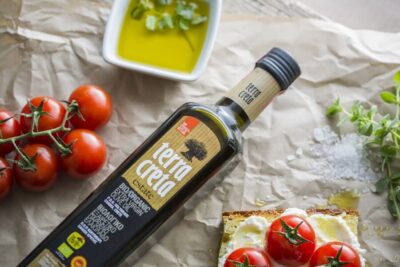
★ 4.8 · 354 reviews - The Terra Creta Olive Oil Experience Tour
★ 4.7 · 344 reviews
The olive grove walk: where the culture lessons start
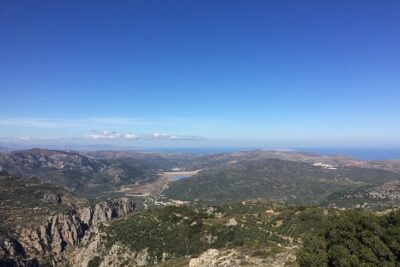
Most people come to an olive farm for the product. What keeps Kleanthi’s tour feeling practical is that it starts in the place where the product actually begins. You walk through the olive groves and learn how olive cultivation fits into Cretan family life and long-term farming.
The grove portion matters because it turns olive oil from a supermarket item into a real food that has a timeline. You get a feel for what the trees represent and why farming methods and timing change the final oil. Many visitors highlight that the tour doesn’t drag, it stays focused on what affects flavor.
It’s also a nice stop if you’re traveling with kids. More than one family report notes that children enjoyed the farm side of things, especially the walking and the hands-on feel of seeing how processing works. Even if you have limited Greek history on deck, the grove walk gives you an easy entry point.
Practical tip: wear shoes you don’t mind getting dusty. You’ll be walking outdoors before you head into the tasting area.
Mill stop and processing machines: what you see depends on season
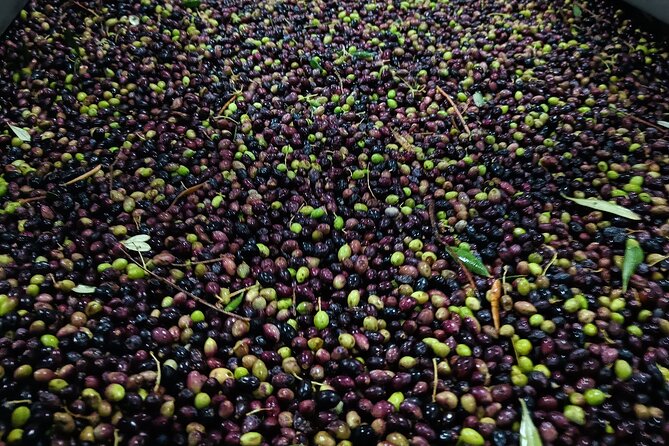
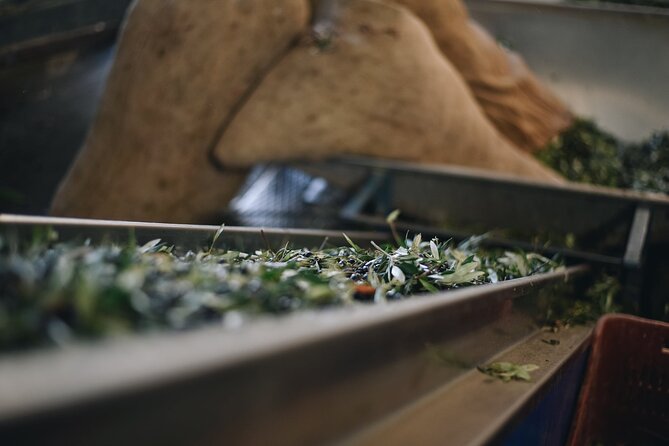
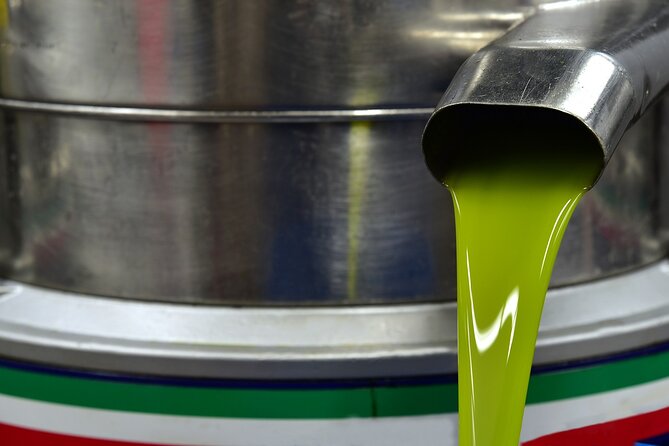
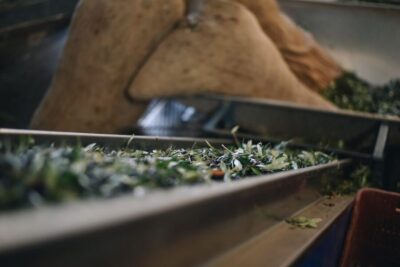
After the grove walk, you transition into the farm’s processing area. This is where the experience shifts from “story” to “how it’s done.” You’ll see equipment used to produce olive oil and you’ll get an explanation of the steps that turn handpicked olives into oil.
Here’s the key detail that affects your expectations. The production line may not run outside harvest months. That off-season review is a real warning flag. If you visit when harvest is over, the experience can feel more like history and tastings rather than a live factory show.
During harvest time, visitors describe the mill as being in full activity, which makes the visit feel more dynamic. If seeing the machines working is a top goal for you, plan around the harvest season when possible.
What you should do with that info: if you’re going in a quieter month, focus on the grove learning and the tasting part. It’s still worth it for many people, but don’t expect the same level of production action.
The tasting table: olive oil plus a spread of Cretan foods
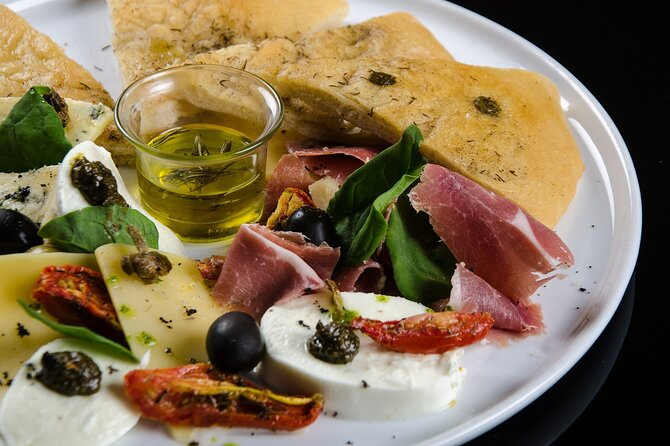
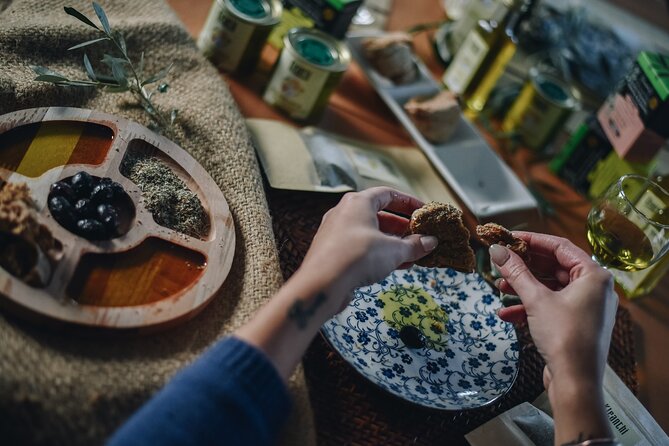
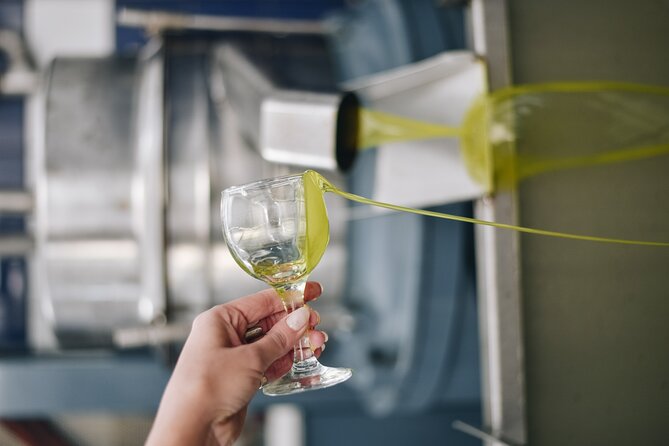
The tasting is the reason most people remember this tour. You sit down in a tasting room and sample their extra-virgin olive oils paired with local delicacies. The pairing is where you start learning how olive oil behaves with salty, sweet, and herb flavors.
The spread you may encounter includes bread and cheeses, plus items like tomatoes, olives, fruit, and honey. Some visitors also mention additions such as figs or grapes in syrup and smoked meat, along with herbs used in pairing. There’s a common thread in the feedback: the tasting isn’t stingy, and it encourages you to taste the oil in multiple ways.
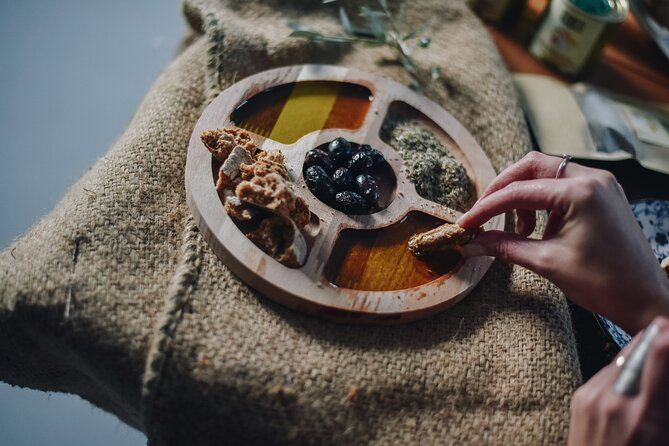
One standout detail from a tasting description: oil can be poured and then paired with flavors like oregano, thyme, honey, and syrup in different ways across the tasting. That kind of set-up helps you understand that olive oil is both a standalone ingredient and a flavor base that reacts to what you pair it with.
Practical tips for getting more out of the tasting:
- Start with plain bites first (bread plus a small amount of oil) so you can tell what changes when herbs, honey, or syrup show up.
- Ask your guide to explain the differences between the oils. Even when you don’t catch every term, you’ll notice the flavor shifts.
- Take your time with the final bites. The tasting works better when you slow down and actually compare.
Also worth noting: multiple visitors report there’s no hard pressure at the end. The goal seems to be education and letting you choose what you want to buy.
A different way to spend Crete time:
- Crete: Day Trip to Agios Nikolaos and Spinalonga Island
★ 4.6 · 4,416 reviews - Agios Nikolaos: Boat Trip to Spinalonga with Swim Stop
★ 4.4 · 3,031 reviews - Crete: Knossos Palace Entry Ticket with Optional Audio Guide
★ 3.9 · 2,251 reviews - From Chania: Day Trip to Elafonisi Island Pink Sand Beach
★ 4.5 · 2,014 reviews
Meet the hosts: what makes the tour feel human
Kleanthi’s best reviews share a simple theme: the farm feels like a family place, not a performance. Guests mention friendly hosts, welcoming attitudes, and guides who speak clear English. Names that come up include Mary, George, Yannis, Theodora, and Yanina.
That matters because olive oil education can get technical fast. In these tours, the best moments are when the guide keeps it understandable. People describe the explanations as clear and helpful, especially around harvesting and production steps.
You’ll often meet family members during the visit. One review notes meeting the father and a son during the tour, which adds a personal feeling you just don’t get from larger industrial-type experiences.
Buying olive oil on-site without the hard sell
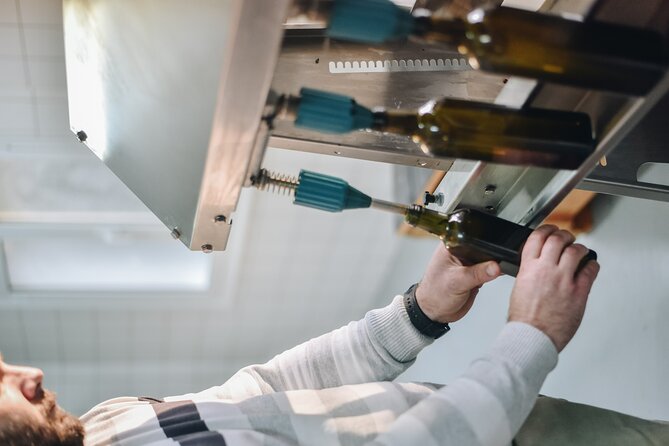
When the tour ends, you can visit the onsite store and buy bottles of Kleanthi Olive Oil. People like the shop because it’s practical: you can take home what you just tasted, and you’ll know what it’s like instead of guessing.
Just as important, several guests mention that the sales approach is relaxed. You’re not hit with aggressive upselling. The emphasis feels like sharing what the farm produces, then letting you decide.
If you’re thinking of gifts, this is a good setup. Olive oil bottles are easy to pack compared to many food items, and they work for almost anyone who cooks or eats Greek food.
A practical strategy: buy one bottle first if you’re unsure. Use it at home for a week or two and then decide if you want more.
Who should book this olive farm tour in Crete
This is a strong match for:
- Olive oil lovers who want more than a label and want to understand how oil gets made
- Food-focused travelers who like learning through tasting pairings
- Families, including kids, who enjoy short outdoor walks and a food reward afterward
- Anyone who wants a half-day style experience without needing a whole day
You might reconsider if:
- You’re visiting outside harvest season and you specifically want to see the production line running. The experience can feel quieter when the mill isn’t active.
- You want a long, multi-hour museum-style experience. This one is purposely short and straightforward.
If you’re basing your trip out of an area like Plakias or Heraklion, many visitors still find it worth the trip by car or taxi. It’s not a random stop you should skip if you care about food.
Weather and season: the two practical variables that really matter
This experience requires good weather. If the weather is poor, it can be canceled and you may be offered a different date or a full refund. That’s not a “maybe” item. If you’re traveling in a changeable week, keep flexibility in your plans.
Season is the other variable. During harvest time, the mill process feels more alive. Outside harvest, you should expect more focus on olive cultivation history, the groves, and tastings, rather than full-scale production activity.
My advice: if you care most about the machines running, plan your timing around harvest. If you care most about the tasting and the family story, you can still enjoy it in the off-season, just go in with the right expectation.
Value check: is $25.34 a fair price?
At $25.34 per person for roughly 1 hour 15 minutes, the value comes from the combination. You’re getting:
- a guided walk through olive groves
- a look at processing equipment and the steps to make olive oil
- a tasting that includes multiple local foods paired with their oil
- time to shop afterward
That bundle is the difference between a low-cost “see it and go” stop and a food experience where you actually learn and eat. Add the small group limit and English-speaking hosts, and it becomes easy to justify, especially if you’re already thinking about olive oil purchases.
If you’re comparing to other food tours on the island, the inclusion of both explanation and tasting is what makes this stand out in practical terms.
Should you book Kleanthi Olive Farm?
I think you should book if olive oil is on your must-eat list, and you want a Cretan experience that is genuinely farm-based and not just a showroom. The short duration is a plus, the group size stays reasonable, and the tasting pairing is the kind of thing you can’t replicate at home unless you seek it out.
Book with extra care if you’re visiting off-season and you want to see the production line running. If that’s your priority, pick your dates thoughtfully.
If you want a straightforward, family-run olive oil tour in Crete where the end result is food you can actually taste and buy, Kleanthi Olive Farm is a very solid bet.
FAQ
How long is the Kleanthi Olive Farm guided tour?
It lasts about 1 hour 15 minutes.
How much does the tour cost?
The price is $25.34 per person.
What language is the tour offered in?
The tour is offered in English.
How many people are in each group?
The tour has a maximum of 40 travelers.
Where does the tour start?
It starts at Kleanthi Olive Farm, Skalani 715 00, Greece.
What happens after the tour ends?
The activity ends back at the meeting point.
Is a mobile ticket used?
Yes, it uses a mobile ticket.
Do you get confirmation after booking?
Yes, confirmation is received at the time of booking.
Is the mill always operating during the tour?
Not necessarily. Outside harvest months, the production line is not in operation, so the experience is more focused on the groves, history, and tastings.
What if the weather is bad?
This experience requires good weather. If canceled due to poor weather, you’ll be offered a different date or a full refund.
Is free cancellation available?
Yes. You can cancel up to 24 hours in advance for a full refund, and cut-off times are based on local time.
More Farm Visits Around Crete
- Crete: Road-trip to Lasithi, Zeus Cave & Olive Mill Farm
★ 4.4 · 451 reviews - Crete: Farm Visit with Cheese Tasting and Milking Experience
★ 4.9 · 109 reviews - Moires: Cooking Class and Olive Oil Tasting at a Family Farm
★ 5.0 · 93 reviews - Mykonos: Farm, Ano Mera Village, and Beaches Guided Tour
★ 4.4 · 1,283 reviews
Just reviewed around Crete
- Spinalonga & Agios Nikolaos from Heraklion region★ 4.5 · 45 reviews
- From Rethymno: Lake Kournas and Villages Full-Day Tour★ 4.4 · 45 reviews
- Heraklion: Sunset Luxury Cruise with Sushi and Open Bar★ 5.0 · 46 reviews
- River Trekking at Kourtaliotiko Gorge Waterfalls to Preveli Beach★ 5.0 · 48 reviews
- Parasailing Activity on Rethymno Beach, Crete★ 5.0 · 48 reviews
- Samariá Gorge Hike: Day Excursion from Chania★ 4.4 · 49 reviews
- Lychnostatis Open Air Museum: Entry Ticket with Add-Ons★ 4.8 · 49 reviews
- Rock Climbing with a Guide in Chania Therisos Gorge★ 5.0 · 51 reviews
Olive Oil Tastings, compared.
Knossos-Zeus Cave -Old Traditional Villages-Olive Oil Factory
Read our review →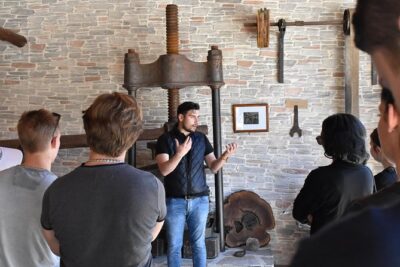
The Governor’s Olive Mill Tour with Olive Oil Tasting
Read our review →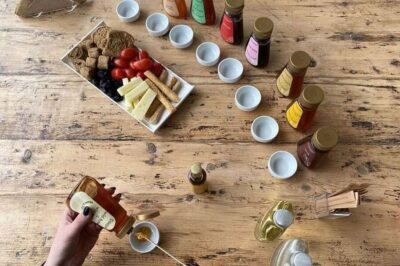
Olive Farm Tour with Tasting of Local Delicacies
Read our review →
Zeus Cave, Lassithi Plateau, Olive Oil Factory, Kritza, Pottery
Read our review →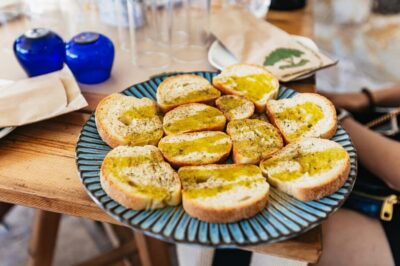
Knossos & Lasithi Plateau: Zeus Cave,Villages, Olive Oil Tour
Read our review →Browse the lists this tour appears in