
Reviewed · MUSEUMS
Lychnostatis Open Air Museum: Entry Ticket with Add-Ons
Lychnostatis Open Air Museum is interesting because it turns Cretan everyday life into something you can walk through, not just read about. You’ll see a working lineup of old village buildings, workshops, and tools, plus spaces for shows and events.
I especially like how the museum shows Cretan culture through specific places, like a traditional village house and a distillery interior you can experience up close. I also love that you can strengthen the visit with an audiovisual film or a private guided tour, depending on how much structure you want. One drawback to keep in mind: the museum materials you get on site can feel a bit flimsy, so if you have sweaty hands or there’s humidity, you may want to bring something simple to keep paper dry.
Key takeaways before you go
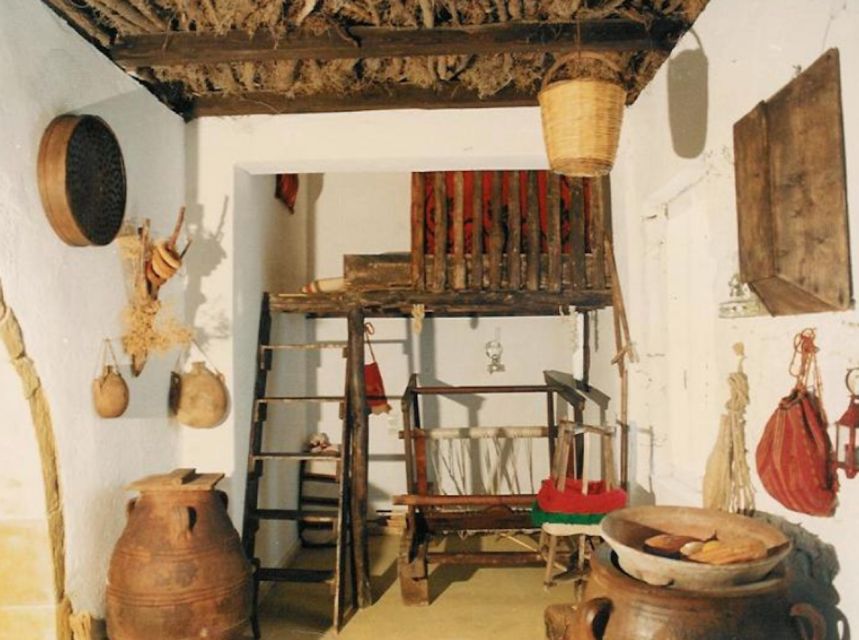
- Walkable Cretan folk life: houses, workshops, chapel areas, and agricultural scenes arranged for strolling
- Hands-on themed interiors: distillery spaces and everyday craft work you can picture in real life
- Two add-on styles: an audiovisual film option or a private guided group tour
- More than buildings: library, temporary exhibitions hall, museum café, and a souvenir shop
- Event-ready spaces: an auditorium with 100 seats and an open-air theater with 250 seats
Why Lychnostatis feels like a Cretan village time capsule
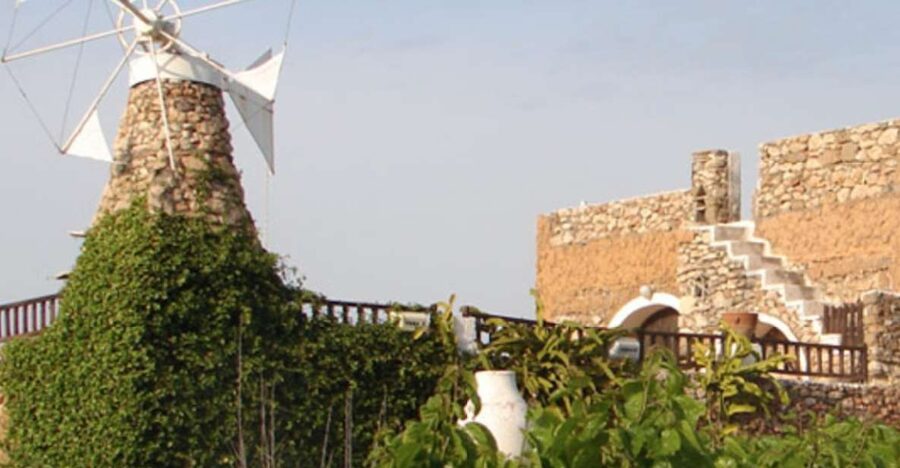
If you like museums that feel like you are physically moving through history, Lychnostatis is a smart pick. It’s an open-air museum in Crete built around Cretan folk cultural heritage, ethnology, and everyday life. Instead of one big indoor gallery, you get a network of traditional spaces and themed rooms that help you understand how people lived, worked, and made things.
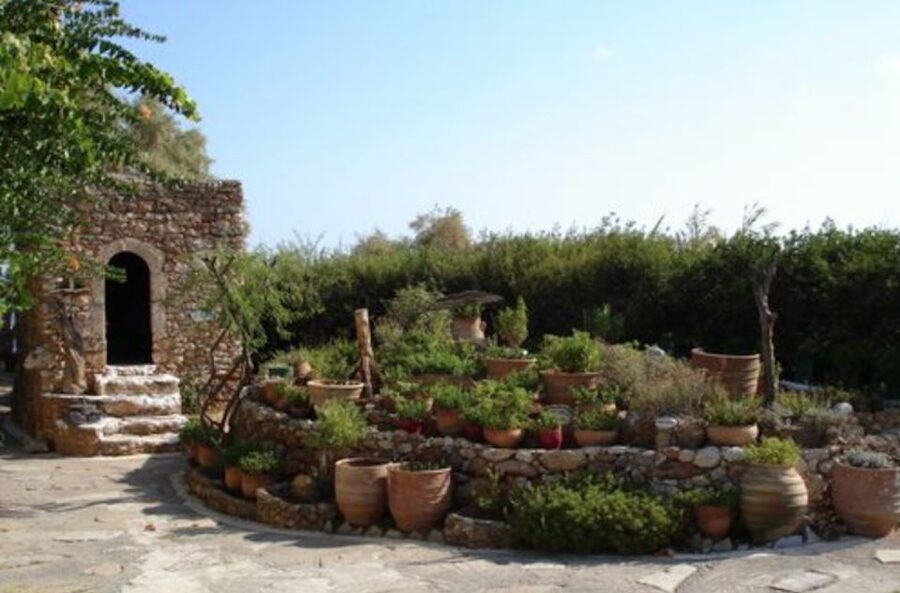
What makes it work is the variety. One path can take you from dwellings to tools and crafts, then into areas connected to nature and the local environment, like gardens and herb displays. You’re not just looking at objects. You’re learning how these pieces fit into a way of life.
I also appreciate that the museum doesn’t only focus on one side of culture. You’ll find topics connected to food and production, crafts, and natural resources, plus areas that support learning through presentations and events when you want a break from walking.
More Museums in Crete:
- Crete: Knossos Palace and Museum E-Tickets with Audio Guides
★ 4.0 · 828 reviews - Heraklion Archaeological Museum Ticket & Audio Guide
★ 4.3 · 396 reviews - Heraklion Highlights: Knossos, Museum & Historic City Drive
★ 5.0 · 64 reviews
Tickets, add-ons, and what you really get in one day
This is a one-day experience built around a simple entry ticket plus optional extras. The entry ticket includes skip the ticket line access, plus free time to explore the museum at your own pace. That matters because open-air sites are easier when you can move at your speed, stop for photos, and spend extra time where you’re most interested.
For add-ons, you can choose an audiovisual film option or a private guided group tour option. If you like having someone connect the dots, the guided tour can give context to what you’re seeing. If you prefer something lighter, the audiovisual film can be a good way to orient yourself before you keep walking.
From a practical standpoint, the basic ticket price is $10 per person. That’s good value for a full, walk-around museum day, especially because it’s not just a single attraction. You’re paying for a whole circuit: dwellings, workshops, gardens, library time, and additional exhibition spaces.
One more detail I would plan around: transportation is not included. So you’ll want to sort out how you’ll get there by car or taxi based on where you’re staying.
Walking the museum grounds: dwellings, workshops, and working life
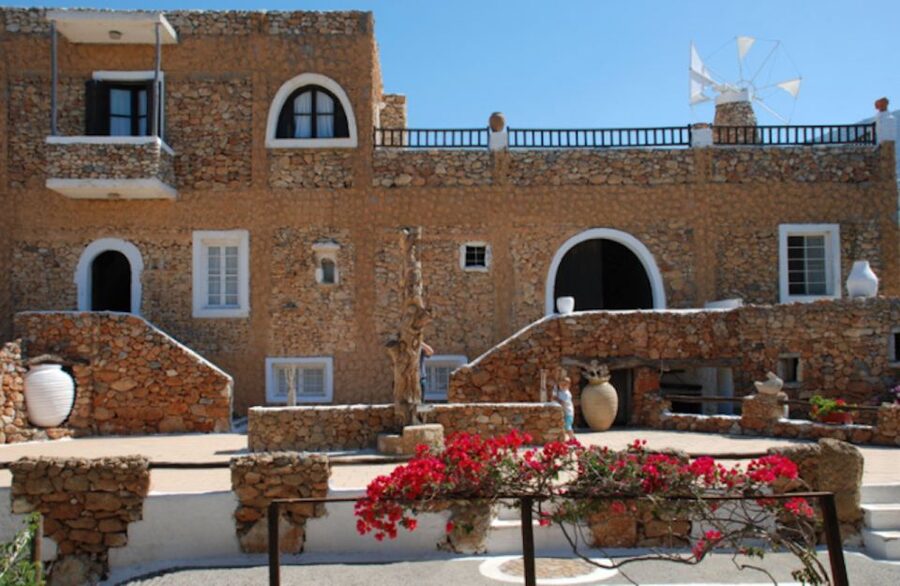
When you arrive, your day is essentially a self-paced stroll through themed areas. The museum includes traditional dwellings and many rooms that represent the work behind daily life. As you move from site to site, you can start picturing the rhythm of the past, because the museum puts tools and craft spaces into the same environment as the people would have used them.
Here’s the kind of breadth you can expect:
- Traditional village houses and other dwelling-style spaces
- A chapel area
- Olive oil press-related spaces
- Threshing floor areas
- A ceramic shop
- Weaving and plant-dying workshop spaces
- Bees and wax related workshop spaces
- Shoe-making workshop spaces
- Carpentry spaces
- A herbarium display
- Cretan fruit garden and herb garden areas
- A mineral and stone exhibition area
- A Cretan folk artists’ gallery
- Temporary exhibitions hall, when it’s open during your visit
That list might sound like a lot, but the benefit is that you can choose your personal route. If you care most about crafts, you can focus on weaving, plant dyeing, ceramics, shoes, carpentry, and the bees and wax area. If you’re more into food and materials, you’ll likely spend time around the olive oil press and distillery related spaces.
A small reality check on pacing
Open-air museums are great, but they can also be tiring in warm weather. Plan breaks, use shade when you can, and don’t try to sprint through everything. You’ll enjoy the visit more if you allow time to slow down in each “theme cluster” and read what’s actually there.
More days around Crete:
- Crete: Day Trip to Agios Nikolaos and Spinalonga Island
★ 4.6 · 4,416 reviews - Agios Nikolaos: Boat Trip to Spinalonga with Swim Stop
★ 4.4 · 3,031 reviews - Crete: Knossos Palace Entry Ticket with Optional Audio Guide
★ 3.9 · 2,251 reviews - From Chania: Day Trip to Elafonisi Island Pink Sand Beach
★ 4.5 · 2,014 reviews
Traditional interiors that make the visit click: house, chapel, distillery
The museum’s traditional village house areas are the kind of stop that changes how you interpret the rest. When you step inside a traditional dwelling, you start to see how other buildings would have functioned in the same daily world.
Then there’s the distillery component, including a tsikoudia (raki) distillery interior. This is one of the most memorable parts of Lychnostatis because it connects culture to a real production process. It’s not just a label or a single object. It’s a space designed to help you imagine how something was made and how it fit into local life.
If you’re the type of visitor who likes “one or two big anchors” during a day, make these your anchor stops:
- Entering a traditional village house
- Spending time inside the tsikoudia (raki) distillery
Even if you don’t take in everything else, these interiors give you context for the rest of the workshops and tools. You’ll look at crafts and agricultural scenes with clearer understanding because you’ve already seen how daily living and production overlap.
Gardens, herbarium, and craft workshops: learning Cretan culture through materials
One of Lychnostatis’s strengths is that it does more than show human activity. It also shows how local people connected to the land, especially through plants and materials.
The museum includes an herbarium display, plus a herb garden and a Cretan fruit garden. These areas are useful because they help you understand why certain crafts mattered. Plant materials tie into dyeing processes, local knowledge ties into herb use, and the land shapes what’s available.
Workshops like weaving and plant-dying are also where you can slow down. If you take a few minutes to read and look closely, the museum helps you understand how technique becomes identity. You may not become a craft expert in one day, but you’ll walk away with a clearer picture of how these skills would have been passed down and used.
And don’t skip the bees and wax workshop area. Even if you only give it a brief visit, it’s a good reminder that production was tied to nature, not separate from it. The museum makes that connection in a straightforward, easy-to-follow way.
Using the auditorium and open-air theater during your visit
Lychnostatis also has dedicated spaces for presentations and events. The auditorium has 100 seats and is used for audio-visual shows, seminars, and similar activities. The open-air theater has 250 seats, designed for cultural and artistic events.
You can treat these spaces as optional add-ons for your mood. If your day is going fast and you feel “information overload,” an audiovisual film can help reset your thinking. If you want a more structured learning experience, a private guided tour can use these presentation spaces to reinforce key themes.
Because you can also choose a film option, it helps to plan for at least one “indoors moment” even in a primarily outdoor museum. It’s a simple trick to stay comfortable and keep your attention sharp.
Library time, temporary exhibitions, and the café you’ll actually remember
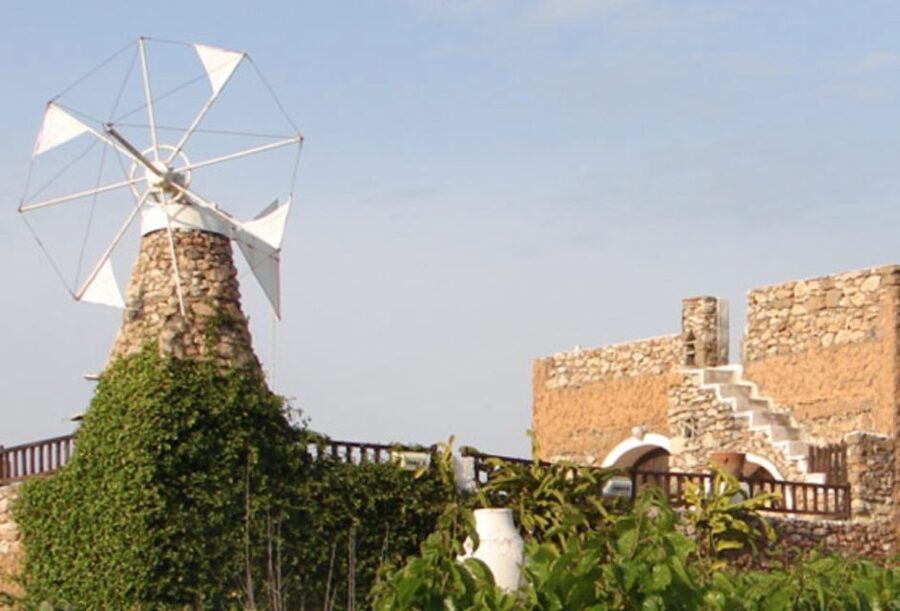
The museum experience isn’t only workshops and buildings. There’s a library stocked with Cretan books and periodicals, and there’s also a temporary exhibitions hall. If you like leaving with extra reading material, this is where you can spend a little time sorting what you want to look up later.
Then there’s the museum café. Food isn’t included with your ticket, but you can grab a typical beverage or sweet on site. This matters because it turns your visit into a full day stop, not a quick photo run. You can recharge, refocus, and then continue exploring with better energy.
For souvenirs, there’s a souvenir shop, which is useful if you want something small to remind you of crafts, local themes, or the kind of cultural work the museum presents.
Price and value: what $10 buys you in Crete
Let’s talk value, because $10 per person can sound like either a bargain or a gamble depending on what you expect.
Here’s how I’d judge it: Lychnostatis is structured like an entire learning circuit. Your entry ticket covers access plus free time to explore the museum, and it includes options that can add context (audiovisual film) or guidance (private guided tour). That means you can tailor the experience. If you’re a self-guided explorer, you still have a full museum day. If you prefer someone to explain what you’re seeing, you can add that layer.
Also, skip-the-ticket-line access is not a small thing in busy travel periods. It saves time for something you can’t replace, which is your energy.
So is it worth $10? For most visitors who enjoy cultural sites, yes, because you’re not paying for a single room. You’re paying for a whole open-air environment that connects culture, craft, and nature, with multiple types of spaces to keep the day from feeling repetitive.
Who should book Lychnostatis, and who might want a different plan
This experience is a strong match if you:
- Want a hands-on cultural day that feels like stepping into daily life
- Like seeing crafts, production processes, and traditional buildings
- Enjoy museums that mix outdoors strolling with focused interiors
It’s also a good fit for first-time visitors to Crete who want a single organized stop that gives them context for local identity and heritage.
You might want to adjust your expectations if you’re only interested in a fast, landmark-style sightseeing hit. Lychnostatis works best when you plan to slow down and actually watch, read, and look.
Language note: the live tour guide is Greek, so if you’re not comfortable in Greek, you’ll likely rely more on self-guided exploring and the audiovisual film option.
Practical tips to make your day smoother
A few small things can make a big difference at an open-air museum like this:
- Wear comfortable walking shoes. This is a stroll-and-stop kind of day, not a sit-and-watch plan.
- Take your time with the interiors. The traditional house and distillery spaces are the stops that reward lingering.
- If you pick up museum handouts, keep them dry. One practical note from on-site feedback is that paper materials can get damp if the weather is humid or hands are sweaty, so bringing a small zip bag or keeping tissue handy can help.
- Plan a mid-day pause for the café. It keeps your energy steady for the rest of the gardens and workshop rooms.
Should you book Lychnostatis?
I’d book Lychnostatis if you want a Cretan culture day that feels grounded in real spaces, not just museum labels. For $10, the basic ticket gets you a lot of walking and learning, plus the option to add an audiovisual film or a private guided group tour if you want extra structure.
If your travel style is fast and strictly outdoors, you may not get as much from it. But if you like traditional interiors, crafts, and the way a museum can explain how people lived, Lychnostatis is an easy yes.
FAQ
How long is the Lychnostatis Open Air Museum experience?
The experience is valid for 1 day, and you have free time to explore the museum.
What is included with the entry ticket?
Your entry ticket includes access to the museum, free time to explore, and you can add the audiovisual film or a private guided group tour if those options are selected.
Can I add an audiovisual film or a private guided tour?
Yes. The experience offers an audiovisual film option and a private guided group tour option.
What language is the tour guide?
The live tour guide is Greek.
Is the museum wheelchair accessible?
Yes, the museum is wheelchair accessible.
Are meals included in the ticket price?
Food and drinks are not included. You can use the museum café for a beverage or sweet.
How do I get to the museum?
You can reach the museum by car or taxi. Transportation is not included with the ticket.
Just reviewed around Crete
- Spinalonga & Agios Nikolaos from Heraklion region★ 4.5 · 45 reviews
- From Rethymno: Lake Kournas and Villages Full-Day Tour★ 4.4 · 45 reviews
- Heraklion: Sunset Luxury Cruise with Sushi and Open Bar★ 5.0 · 46 reviews
- River Trekking at Kourtaliotiko Gorge Waterfalls to Preveli Beach★ 5.0 · 48 reviews
- Parasailing Activity on Rethymno Beach, Crete★ 5.0 · 48 reviews
- Samariá Gorge Hike: Day Excursion from Chania★ 4.4 · 49 reviews
- Rock Climbing with a Guide in Chania Therisos Gorge★ 5.0 · 51 reviews
- Try Scuba in Crete – Free Certification & Photos (Beginners)★ 5.0 · 51 reviews
Museums, compared.

Acropolis, Parthenon & Acropolis Museum Guided Tour
Read our review →
The Acropolis, Parthenon & Acropolis Museum Guided Tour
Read our review →
Mythology of Delphi, Museum and Arachova Guided Tour
Read our review →
Acropolis monuments & Parthenon Walking Tour with Optional Acropolis Museum
Read our review →
Athens All Included: Acropolis and Museum Guided Tour with Ticket
Read our review →
Combo: Acropolis & Acropolis Museum with Optional Tours
Read our review →
Acropolis Museum Ticket with optional Audio Guide
Read our review →
Small-Group Delphi, Museum & Arachova Day Trip
Read our review →Browse the lists this tour appears in