
Reviewed · HISTORICAL TOURS
From Chania: Crete World War II History Tour
Crete’s World War II story is one of those history lessons that feels uncomfortably real, because you visit the places where the fighting and the aftermath happened. This Chania-based tour links the lead-up to Hitler’s Operation Mercury with what the battle of Crete meant for the wider war in southeast Europe and Greece.
I especially like how the guides bring the conflict down to street level. A standout for me is the use of maps and old photos by guides such as Yanis and Babis, plus the way they explain troop movement in plain language. I also love the emotional weight of the German and Allied war cemeteries, because you are not just viewing sites, you are paying respect at carefully maintained graves.
One thing to consider is pacing. It packs a lot into a long half-day, and while there is a snack and water, comfort breaks may be limited, so wear comfortable shoes and plan to go with the flow.
Key highlights worth your attention
- Maleme airfield viewpoints where you can get a sense of how the paratroopers made their first move
- Tavronitis Bridge and Galatas for seeing the physical remnants tied to the fighting
- Battle context from 1940 onward linking the Greek-Italian War to the road to Operation Mercury
- Secret shelters and small museums that explain what life and survival looked like during the occupation
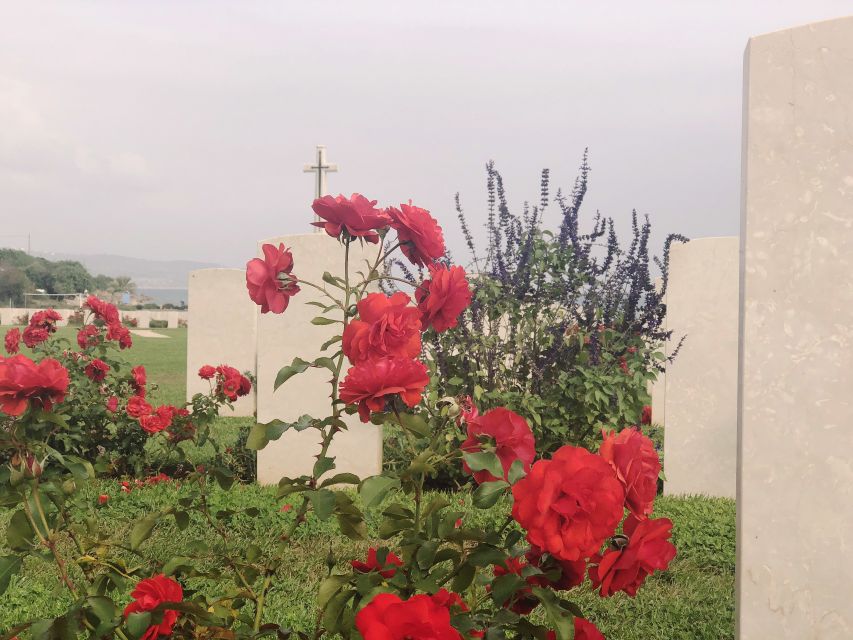
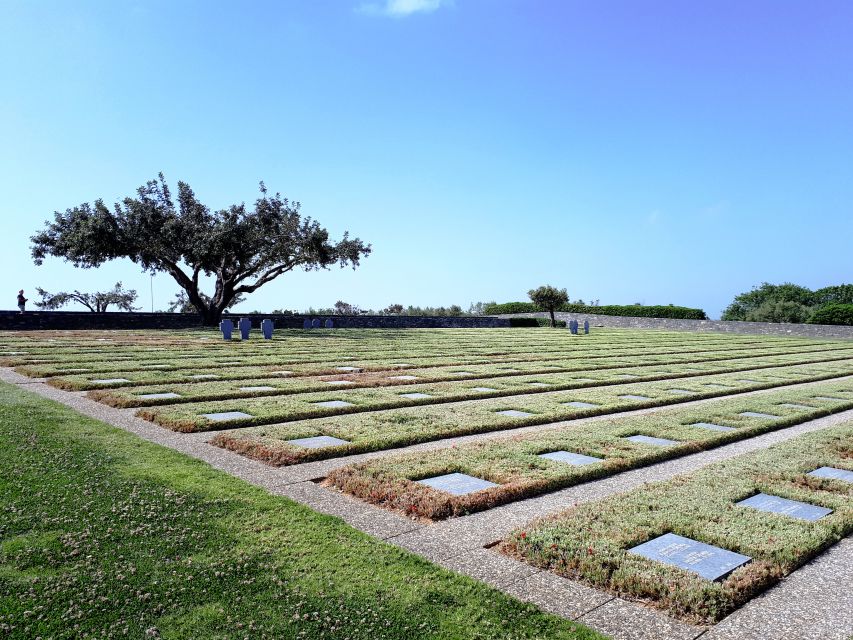
- War cemeteries for German and Allied forces for a balanced, respectful end to the day
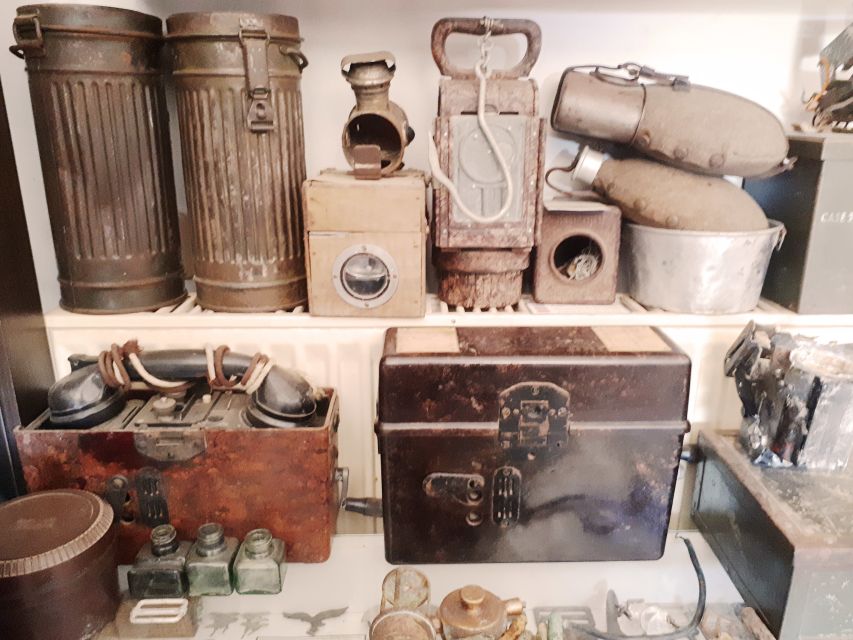
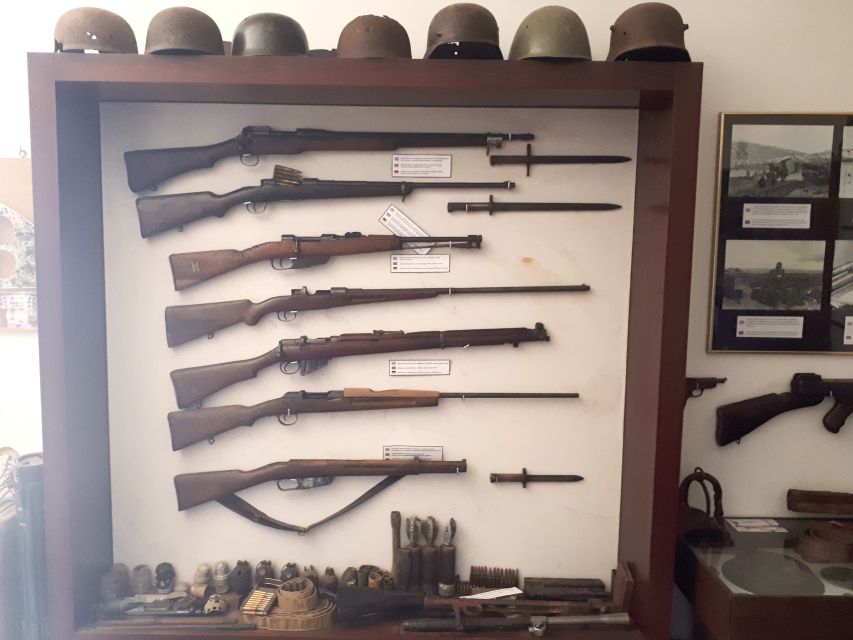
- Private WWII relic collection stop where artifacts can be examined up close and explained in detail
WWII on Crete, without the textbook fog
WWII tours can sometimes feel like a slideshow with buses. This one works better because it starts with the geography. From the Chania region, you travel by air-conditioned minivan and the route is built around key locations from the battle of Crete, plus the surrounding context that led to it.
You do not just hear dates. You get a narrative that starts earlier, including the Greek-Italian War of 1940, and then moves into the circumstances that led to Hitler’s Operation Mercury. That matters, because the invasion was not random. It was tied to strategy, timing, and the larger pressure the Allies faced across the Mediterranean.
The tone on the day is also different from a purely “military facts” tour. Guides talk about resistance and partisans and how their actions helped revive Allied morale around the world. You still cover battles, but you also see the human side, including what locals did to survive and resist after the invasion.
More Historical Tours in Chania:
- Historical Delphi One Day Tour with Arachova Stop & Expert Guide
★ 4.5 · 1,247 reviews - Historic Athens: Small Group Electric Bike Tour
★ 4.9 · 966 reviews - Acropolis, Parthenon & Athens Old City Heritage Walking Tour
★ 4.5 · 876 reviews
The six-hour structure that keeps the story moving
This tour runs about 6 hours, and it is designed as a small-group experience. That group size is not just a comfort thing, it helps the guide pace the explanations and answer questions without rushing you out the door every time.
You’ll have pickup and drop-off from specific locations in the Chania region. From there, you spend the day moving between viewpoints, monuments, and burial grounds. You also get a snack and a bottle of water per person, plus entrance fees are handled for the stops that require them.
Comfort matters, because Crete in warmer months can feel intense even when you are mostly in the vehicle. Plan to dress for heat, and bring your patience for a day that can feel busy, even when it does not feel chaotic.
Starting with Maleme airfield, you see the battle’s opening logic
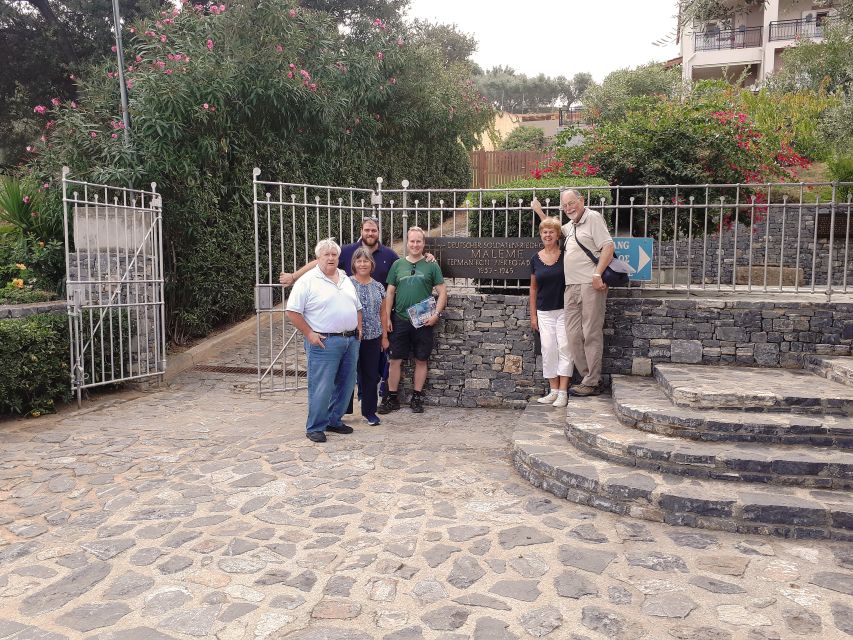
One of the smartest early stops is Maleme. The tour includes a chance to see the Maleme airfield from above and then visit the Tavronitis Bridge area. Even without being a military expert, you can connect the dots once you see the terrain and understand why airfields and movement routes mattered.
Maleme is often presented as a name from history lessons, but on this tour it becomes a place. Standing in the right viewpoint helps you understand why the first landings were so consequential and why the battle escalated quickly after that opening.
This is where the guide’s method really shows. Using maps and old photos (as mentioned by multiple visitors) helps you place what you are seeing into a sequence, so you can follow the logic instead of just collecting facts.
Tavronitis Bridge and Galatas, where remnants do the talking
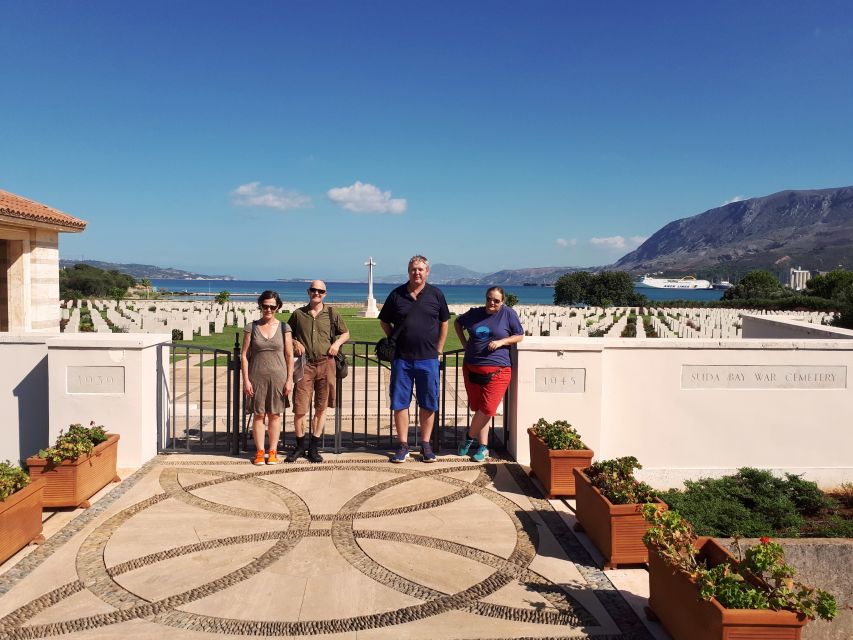
After Maleme and the opening phase, the day shifts toward specific ground where fighting left marks. Tavronitis and Galatas are key examples, and the tour focuses on remnants tied to those areas.
What I like about visiting sites like Tavronitis Bridge is that it turns a bridge from an everyday object into a strategic piece of infrastructure. Bridges, roads, and chokepoints decide where troops can flow and where they get stuck. When you understand that, you start noticing why certain positions were defended and why resistance mattered.
Galatas adds another layer. The tour explains the battle of Galatas, helping you understand how different actions fit into the broader invasion story. These stops are also valuable because they give your brain a place to anchor the narrative. You get less of that floating feeling you sometimes get on long tours where everything is described but nothing is “real” underfoot.
More days around Chania:
- From Kissamos Port: Boat Cruise to Balos Lagoon & Gramvousa
★ 4.2 · 6,755 reviews - From Chania: Full-Day Samaria Gorge Trek Excursion & Guide
★ 4.6 · 3,191 reviews - Cretan Safari – 4×4 Adventure to Preveli Beach with Lunch
★ 5.0 · 780 reviews - Elafonissi Beach Day Trip from Chania -Stop in Elos Village
★ 4.5 · 744 reviews
The Greek-Italian War to Operation Mercury thread
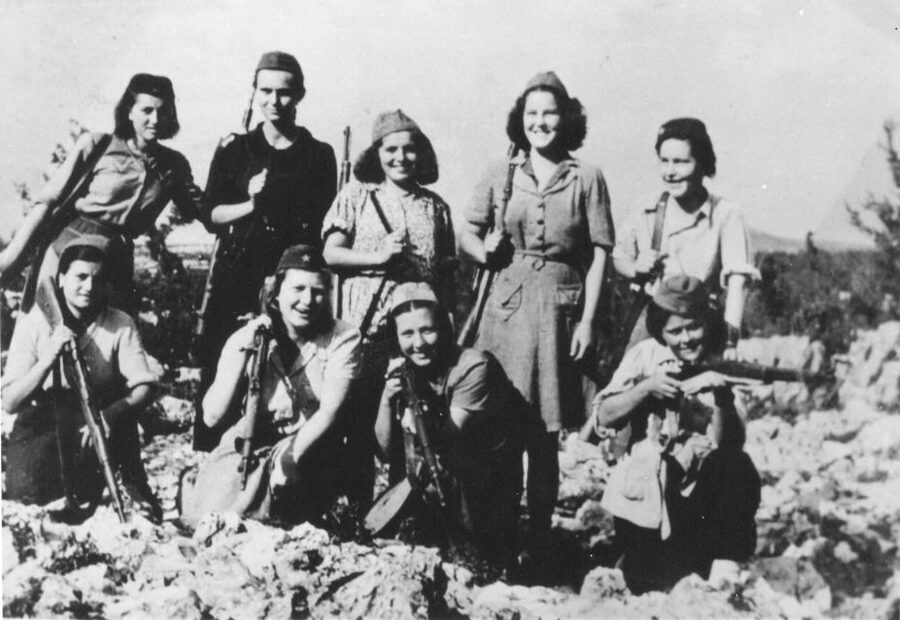
A lot of people come to Crete thinking they will only hear about 1941, the invasion itself. This tour nudges you earlier, including the Greek-Italian War of 1940 and the wider circumstances that led to Operation Mercury.
That timeline is not trivia. It helps explain why the conflict in Greece and the Balkans became a launchpad for Germany’s plans. If you only focus on the invasion day, you miss why the battle of Crete unfolded the way it did and why the island mattered beyond its size.
I also appreciate the way the tour frames the battle of Crete as having a wider impact on southeast Europe and Greece. It turns the island into a hinge point, not a footnote.
Small museums and secret shelters: survival, not just strategy
One of the more moving parts is the inclusion of small museums and secret shelters. These stops are not about glamour. They focus on how people lived through occupation and what “staying alive” meant day to day.
You might see monuments that mark events and learn how locals interpreted the war as it unfolded. Secret shelters, in particular, help you understand the fear and improvisation that regular people dealt with, including the role of resistance networks.
This section is a good reminder that wars are not only made of speeches and battles. They are made of quiet choices, hidden spaces, and the constant threat of discovery. If that side of history is what you care about most, you will likely find this part of the tour especially worth your attention.
War cemeteries that keep the emotion in the foreground
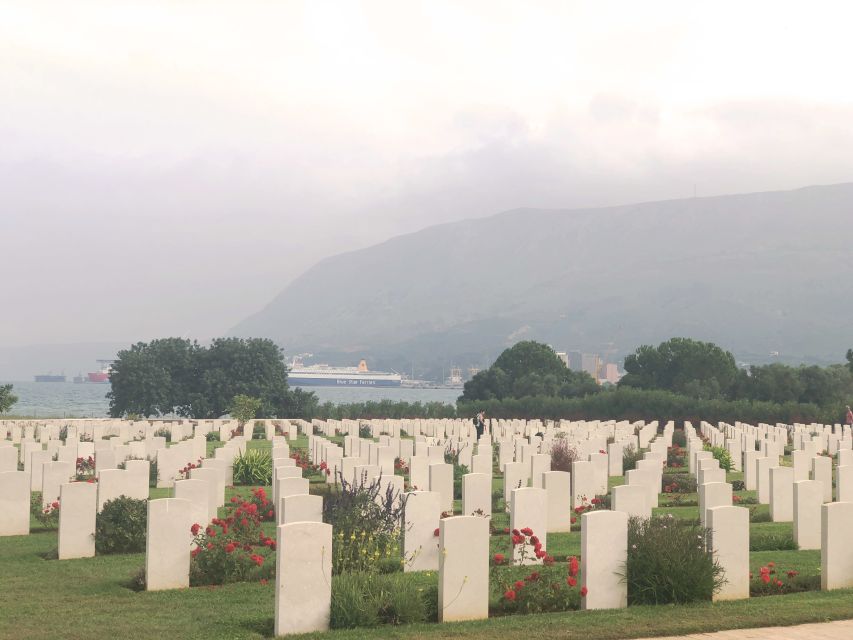
The tour’s end goal includes visits to the war cemeteries for both German and Allied forces. This is not a token stop. It’s a core part of the experience, and it is where the day’s meaning lands.
You’ll see graves and read inscriptions, and you’ll get guidance on approaching the memorials with care. Visitors have specifically pointed out how sensitively the German graves’ wording is handled, and how beautifully preserved the Commonwealth and British cemeteries are.
If you are visiting with family connections, this is where the history turns personal fast. Even if you do not have that connection, it can still hit hard. Standing at graves so far from home makes the distance of war feel physical.
Practical note: bring a moment of quiet mindset. You will probably want a bit more time here than you can get on a fast sightseeing day, so slow down when you arrive.
Guides make or break it, and this one leans on real interpretation
Most people rate this tour highly for the same reason: the guide can tell the story in a way that makes sense. Multiple visitors praised guides such as Yanis, Babis, and Gyannis, often mentioning how they used maps, old photos, and supporting documents to explain the lead-up and the battle in a logical sequence.
You can feel the difference when a guide is not just reciting. They help you connect what you see in the landscape to what happened on the ground. That is how the day stops being confusing and starts being meaningful.
There is also a human side in the stories. Some visitors described an unexpected meeting with a local who shared a family story from the era. Even when that exact moment is not part of your day, it points to the same theme: Crete remembers, and locals often care deeply about getting the details right.
The private relic collector stop, a debated kind of special
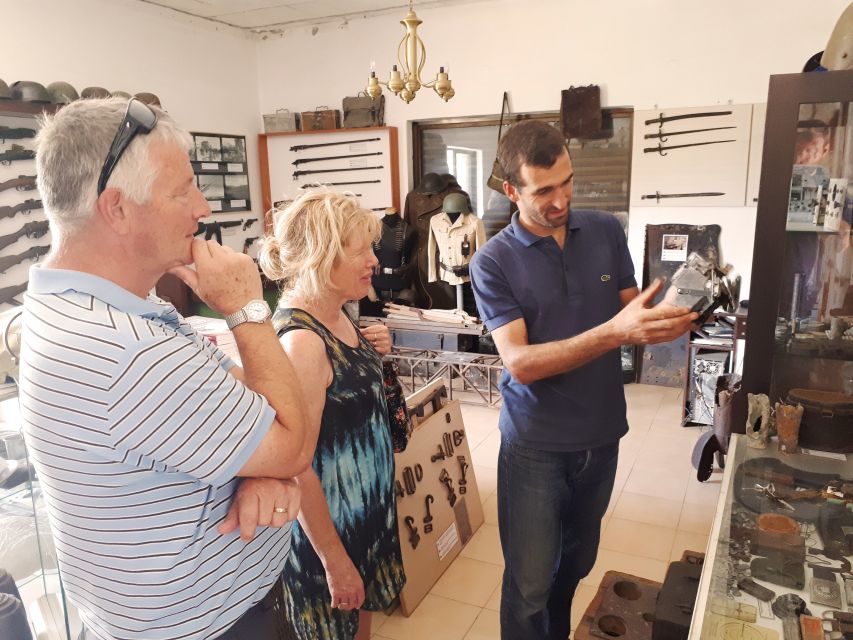
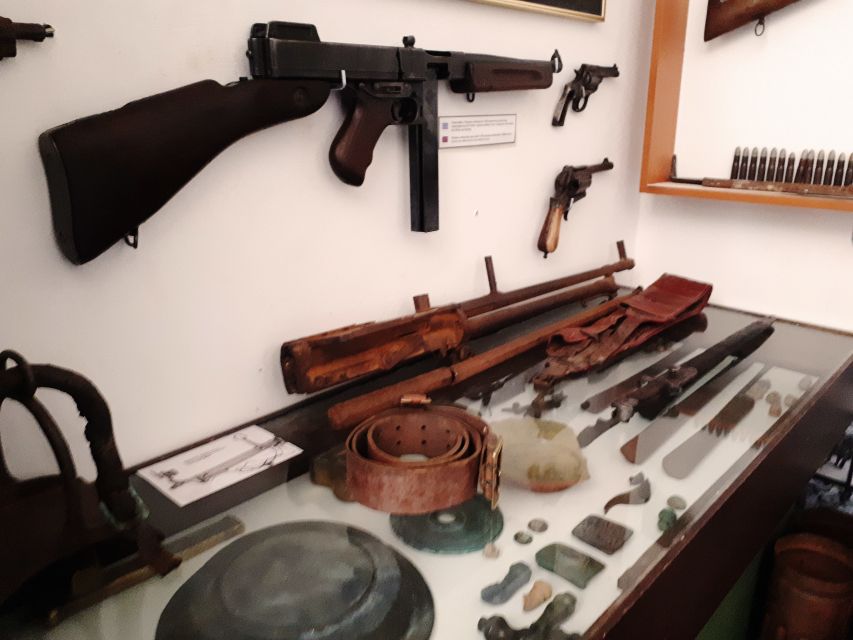
Another standout is a visit to a local private collector of WWII items. You may stop at a collector’s home where artifacts are shown up close and explained with context, including where items were found.
I like this stop when it is done carefully, because it turns objects into evidence of what people carried, used, and recovered. If you enjoy details, it can feel like stepping into a local archive rather than a generic gift shop.
Still, it is worth knowing that this part can be time-heavy. Some visitors felt there was not always enough time for the more important cemetery moments. If you are coming mainly for memorial time, you might want to mentally accept that the collector stop may take more minutes than you expected.
What about food and breaks
You get a snack and bottled water per person, which helps on a day like this. The tradeoff is that comfort breaks may be limited. More than one visitor suggested that a more frequent scheduled break would be better, though your guide may be able to arrange an extra stop when possible.
My advice: treat the snack as a bonus, not a full meal replacement. Wear comfortable shoes, and go early in the day mentally prepared for a packed route.
Value for the $111 price tag
At about $111 per person for a roughly 6-hour, small-group tour, the value comes from what is included and what you avoid. You do not have to figure out transport between remote WW2 sites from Chania on your own, and you do not have to buy entrance tickets ticket-by-ticket.
The included pickup and drop-off in the Chania region, plus air-conditioned minivan transport, are real money savers in both effort and timing. The snack and water are also practical, especially if you will be walking between monuments and cemeteries.
This price makes the most sense if you want a guided narrative and a structured route. If you are the kind of traveler who loves planning routes solo and reading on your own, you might be able to do parts independently. But for most people who want the battle explained in a clear timeline, the guided value is strong.
Who this tour is best for
This tour is a great fit if you fall into any of these groups:
- You are a WWII history fan, and you want Crete connected to the larger chain of events leading to Operation Mercury
- You like your history grounded in places, not just in facts
- You care about a balanced look that includes both German and Allied cemeteries
- You want a small-group day with an English-speaking guide who can answer questions
It is also a good first tour if you are new to the battle of Crete. The storytelling is built to make the sequence understandable, including the lead-up from 1940.
Should you book this WWII history tour from Chania?
If you want a well-paced, small-group day that turns the battle of Crete into a set of real locations, book it. The combination of Maleme viewpoints, Tavronitis Bridge and Galatas, secret shelters, and then both cemeteries gives you a rounded experience that many people rate as outstanding.
I would say “go for it” especially if you appreciate guides who use maps and old photos to explain how the fighting unfolded. And if the cemetery part matters most to you, wear comfortable shoes and plan to be patient with a packed schedule, because the day has several big stops competing for time.
FAQ
Is this tour only available from the Chania region?
Yes. The tour only departs from the Chania region.
How long is the WWII history tour?
The duration is listed as 6 hours.
What does the tour include?
It includes pickup and drop-off from specific Chania locations, transportation by air-conditioned minivan, an English-speaking driver/guide plus a local guide, entrance fees, local taxes, a small-group format, and a snack and bottle of water per person.
What language is the guide?
The tour provides a live guide in English and Greek.
What should I bring?
Bring comfortable shoes, since you will be visiting multiple sites.
Are pets allowed?
No, pets are not allowed.
Is there a cancellation option?
Yes. You can cancel up to 24 hours in advance for a full refund.
Just reviewed around Chania
- Samaria Gorge Trek: Full-Day Excursion from Rethymno with Guide★ 4.5 · 46 reviews
- Chania: Elafonisi & Falasarna Private Tour w/olive oil tasting★ 5.0 · 46 reviews
- Crete White Mountains Safari Including Lunch★ 4.5 · 48 reviews
- Polaris Buggy 4-Hour Safari from Rethymno Town★ 4.5 · 48 reviews
- From Chania Private half day Winery-Olive factory-Kournas lake★ 5.0 · 50 reviews
- Shared Balos and Gramvousa Sailing Trip with Meal and Drinks★ 4.9 · 50 reviews
- Samaria Gorge Trek: Full-Day Excursion from Chania with Guide★ 4.5 · 51 reviews
- Buggy Safari To Menies Beach★ 5.0 · 51 reviews
Historical Tours, compared.
Historical Delphi One Day Tour with Arachova Stop & Expert Guide
Read our review →
Historic Athens: Small Group Electric Bike Tour
Read our review →
Acropolis, Parthenon & Athens Old City Heritage Walking Tour
Read our review →
Half-Day Guided History and Culture Sightseeing Tour
Read our review →
Nydri: Sailing Through History. Daily Cruise with Beach BBQ
Read our review →Browse the lists this tour appears in