
Reviewed · OLIVE OIL TASTINGS
Traditional Olive Grove and Dragon Fruit Farm Tour
Crete can feel like a place where the food is always the headline, and this tour keeps that front and center. What I like most is the olive oil tasting with local bread and the guided walk through dragon fruit cultivation up close. One thing to consider: it is a small, farm-style visit that can run closer to about 1 hour than a full 90 minutes, so build your day with that in mind.
This is also the kind of stop where you learn by doing. You get to wander among olive trees on a family farm with tools you can see and touch, and you can try tasting as the story unfolds. The host, Alex, keeps the pacing friendly and the explanations clear in English and Greek.
The price is surprisingly low for what you’re served, but you are not buying anything in the admission. If you hate food tastings or want only a scenic walk with zero farm details, you may find the focus on production a lot. If you like how things are made, you will enjoy it.
Key things that make this farm tour worth your time
- Hands-on olive and harvest learning with tools you can see and try
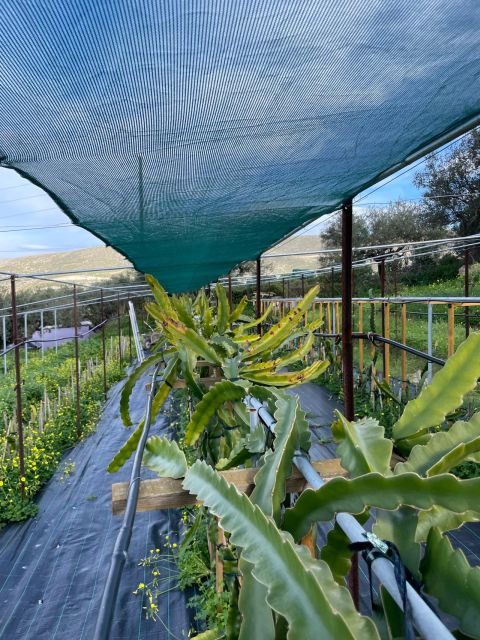
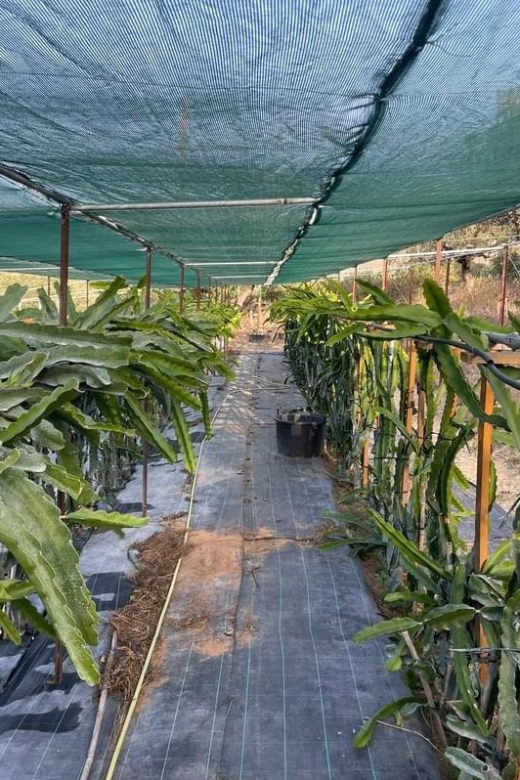
- Dragon fruit plants you can touch, plus the option to harvest if there is fruit available
- Olive oil tasting the local way, with bread and samples
- Patio breaks with dragon fruit infused tea or espresso or Greek coffee
- A family-run feel with a guide, Alex, who mixes facts with humor
Why this olive grove plus dragon fruit mix makes Crete feel real
Most food tours in Crete focus on one thing, olives or wine or cheese. This one pairs the classic with something newer on the island: olives plus dragon fruit. That combo matters, because you see two different kinds of farming logic side by side. You also get a better sense of how island agriculture adapts, not just what people cook from it.
The olive grove part is the backbone. You learn how olive trees are grown, how harvesting works, and how that leads into extraction. Then the dragon fruit section adds a fun contrast, with an “oriental” crop that has found a place in Crete and is becoming more important locally.
It’s not showy or staged. It’s practical. You walk through rows, you handle what the farm uses, and you taste what the farm produces. That’s the real value.
More Olive Oil Tastings in Heraklion
- Knossos-Zeus Cave -Old Traditional Villages-Olive Oil Factory
★ 5.0 · 694 reviews - Heraklion: Olive Farm Tour with Tasting of Local Delicacies
★ 4.9 · 411 reviews - Knossos & Lasithi Plateau: Zeus Cave,Villages, Olive Oil Tour
★ 5.0 · 328 reviews
First steps on the farm: finding the sign and meeting Alex
You’ll meet at the Traditional Olive Grove and Dragon Fruit Farm, marked by a sign on the right as you drive up. Parking is free and right beside the site, which is a big plus in Crete when you’re juggling narrow roads and limited patience.
The tour is a private group setup. That usually means less waiting, more attention, and a better chance to ask questions without feeling like you’re in a cattle line. You also skip the line via a separate entrance, so you can get moving quickly.
Expect to be greeted on arrival and settled in before the guided portion. There is mention of a shaded waiting area ahead of the tour, so you’re not stuck in full sun while you wait for the group to form.
Olive trees, harvest tools, and the liquid gold lesson
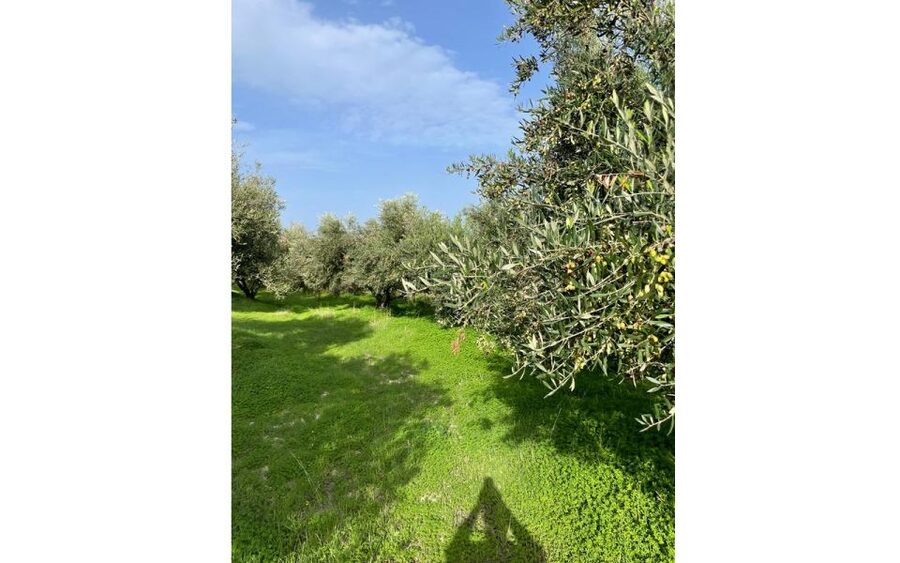
This is the heart of the experience, and it’s where the tour earns its keep. You start with the olive grove walk, guided around the trees so you can understand what cultivation means on the ground, not just in theory.
You’ll learn about how olive trees are grown and how harvesting fits into the season rhythm. You also get a close look at tools. Being able to see and touch the equipment turns olive farming from a vague concept into something tangible. You’re not just hearing words about production, you’re standing in it.
What I like is the way the tour connects the dots. Olive trees, harvesting, extraction, then tasting. That sequence makes the olive oil tasting feel earned, not random. You can taste and think, okay, this is what those farm choices lead to.
One more practical note from the pace: the guided walking portion is listed as about 1 hour, and the overall tour is about 90 minutes. In practice, it can feel a bit closer to 1 hour on-site depending on your group and how quickly you go through the tastings and samples. That’s not a problem if you’re ready for a focused visit rather than a slow wander.
Olive oil tasting with bread, and why the method matters
Tasting is not an afterthought here. After you walk the grove and learn the cultivation and harvesting basics, you dip local bread and taste olive oil. That approach is smart because it changes the tasting experience. Bread acts like a simple delivery system, so you can focus on flavor without needing a fancy setup.
This is also where the tour’s “local” feel shows up. You’re not just given tiny sips in a vacuum. You’re tasting in a way that matches how people actually eat and enjoy olive oil.
The olive oil is one of the most praised parts of the whole visit, and that tracks with the farm approach: you learn how the oil is made, then you taste it immediately while the ideas are still fresh.
If you’re the type who likes to compare flavors, pay attention to the differences you notice from sample to sample. If you’re not, just keep it simple. Taste, notice what you like, then talk it through with Alex if you want more detail in English or Greek.
A different way to spend Heraklion time:
- Heraklion: Dia Island Sailboat Cruise with Swimming and Meal
★ 4.8 · 2,579 reviews - Heraklion Area: CRETAquarium Admission Ticket
★ 4.4 · 2,055 reviews - Crete: Palace of Knossos E-Ticket and Audio Guide
★ 3.8 · 1,540 reviews - Agia Pelagia Crete Quad Bike authentic backland Tour
★ 4.9 · 1,430 reviews
The dragon fruit part: new crop, practical farming, real fruit
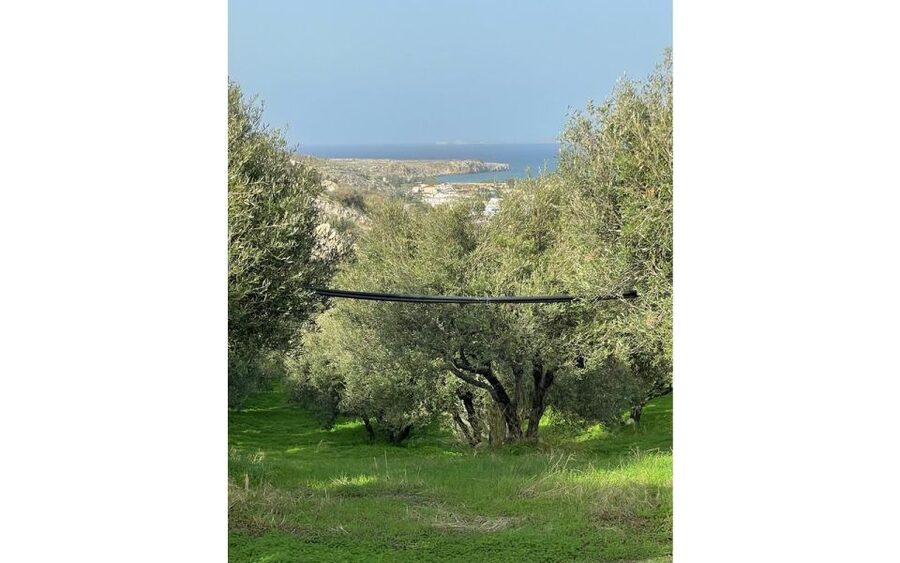
After the olive grove, you switch gears to dragon fruit. This is where the tour gets more fun and more interesting for first-timers, because dragon fruit farming is still relatively new for many people visiting Crete.
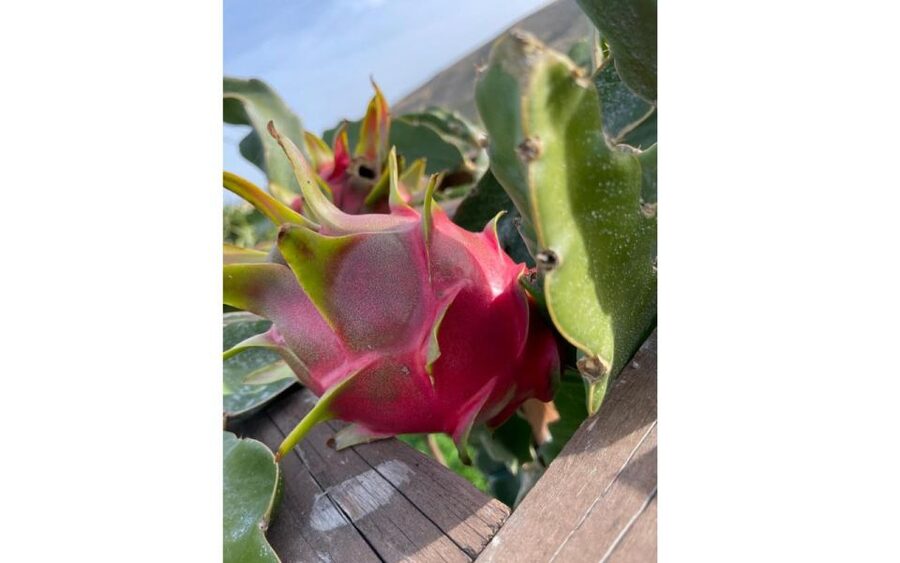
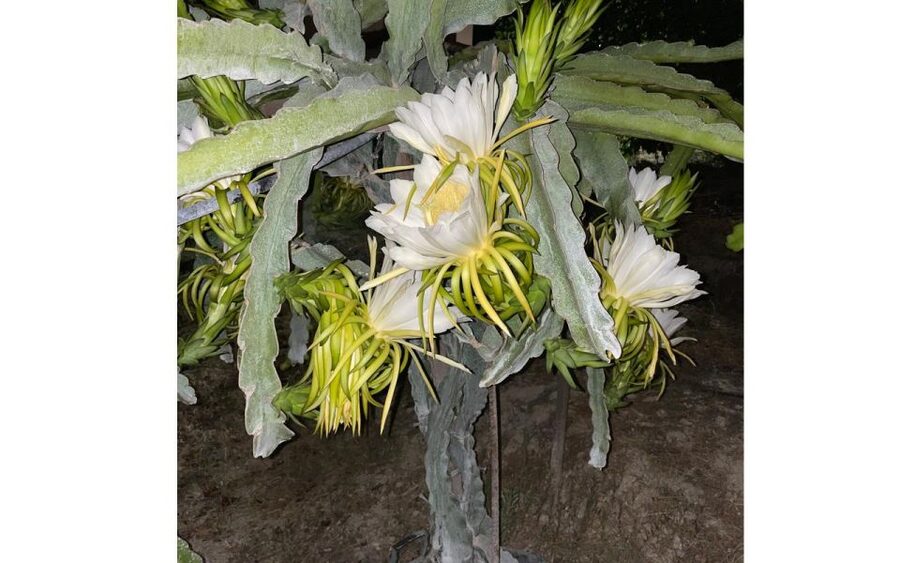
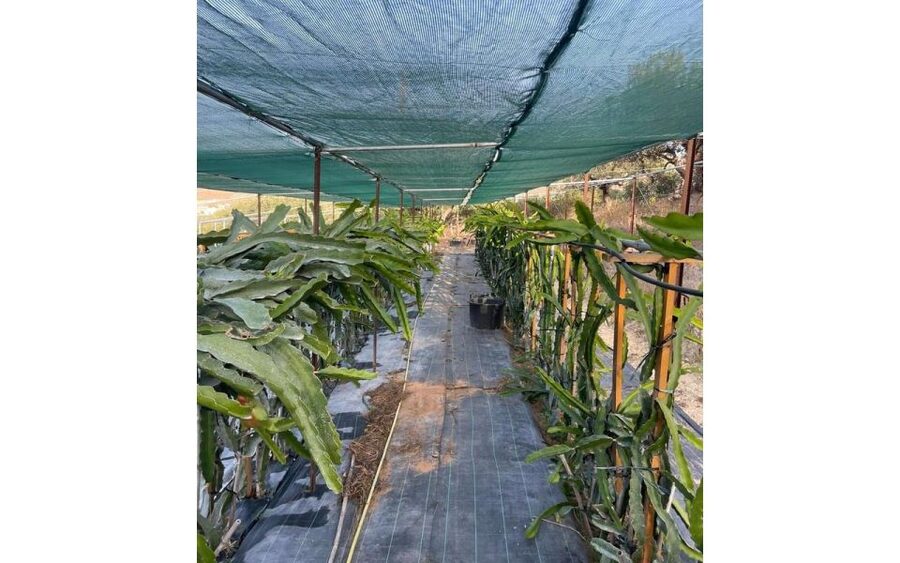
You’ll see the dragon fruit plantings up close and you can touch the plants. That matters because dragon fruit looks more alien than olive trees, and seeing it in person helps you understand how it grows and what the farm does to manage it.
There is also the chance to harvest your own dragon fruits if you want, based on availability. That’s a small detail, but it can turn the tour from “just tasting” into “I did something on a working farm.” If you’re traveling with kids or teens, this tends to land well. If you’re visiting as a couple or solo, it’s still a nice way to make the trip feel hands-on.
You’ll also learn about dragon fruit cultivation on the island, including how the crop has taken root in Crete and is becoming a more important farming choice over time. The point isn’t just trivia. It’s understanding that agriculture here is living, not frozen in the past.
Break time on the patio: tea, espresso, and the food spread
Between the guided grove sections, there is a break time on the farm, listed as 30 minutes. In real life, this is where you can slow down, cool off, and enjoy what the farm serves.
Depending on your preference, the included drink is either espresso coffee or Greek coffee, or a dragon fruit and local Cretan herbs infused tea. That tea choice is a fun way to keep the dragon fruit theme going even when you’re off your feet.
The food setup is a highlight too. You’ll taste olive oil by dipping local bread, and you may also be offered a spread that can include items like jams or marmalade, honey, yogurt, olives, and tomatoes. Many groups mention the sampling being generous, and the vibe feels like a well-fed afternoon rather than a token tasting.
You can also try a big platter of dragon fruit to taste. It’s an easy way to learn what different dragon fruits or preparations taste like without having to guess.
If you have a sweet tooth, this part will work for you. If you prefer savory, the bread and olive oil tasting plus olives and yogurt usually cover that angle too. Either way, plan to come hungry enough to enjoy it, because the samples add up.
Price and value: why $9 can work for your itinerary
At $9 per person, this tour is priced in the “easy yes” category. The value comes from three things you get for that money: guided farming education, multiple tastings, and a real farm setting.
You are getting about 1 to 2 hours on the property with both olive and dragon fruit content. And included in admission you also receive a coffee or tea plus an olive oil tasting with bread. When you break it down, you’re not just paying for a walk. You’re paying for a guided farm visit and a meal-like sampling experience.
One more value point: this doesn’t sound like a high-pressure shopping stop. The tour includes tastings and some farm servings, but you are not required to purchase anything. If you want to buy, you can, including olive oil and olives that can be specially packed for you, and dragon fruits or dragon fruit tea from what they have available.
So the price feels fair because the farm gives you more than a quick look. You learn, you taste, and you get to interact with the crops.
What to expect from the timing and group size
This activity is listed as 90 minutes, with the actual farm tour time mentioned as about 1 hour to 2 hours. Reviews and typical timing suggest it can feel on the shorter side for many groups, especially if you move through the sections at a smooth pace and you do not linger for extra questions.
You should also expect it to be small and private. Private group format means you’re less likely to feel rushed by a large crowd. It also means your guide can tailor the pace slightly, though you still follow the farm flow: olive grove walk, break, then dragon fruit walk and tasting.
If your schedule is tight, it’s still a strong fit because it’s short. If you like long, slow tours with lots of wandering time, you might want to pair it with another nearby stop afterward.
Who this tour suits best, and who might pass
This works best for you if you want:
- A hands-on farm experience that goes beyond restaurant talk
- Food tastings where you learn what you’re tasting
- A break from big-ticket attractions, with something quieter and local
- A family-friendly activity for teens and older kids, since there is a harvest element and plenty to see
It might not be the best fit if:
- You want a strictly scenic, passive walking tour with minimal production talk
- You dislike tasting food or prefer only drinks and no samples
- You need a very long time on-site, since the visit can feel closer to about 1 hour for some groups
There are also a couple of clear suitability notes. It’s not suitable for babies under 1 year, and it is not suitable for people over 95 years. Also, the farm rules don’t allow bare feet, and alcohol or drugs are not allowed.
Making the most of your visit: practical tips before you go
Bring comfy shoes, since you’ll be on farm ground and you won’t be going barefoot. Also, dress for sun and shade switching. You can spend time walking and then cooling off on the patio.
When you’re tasting olive oil, take a moment between sips. A quick pause helps your brain separate flavors, instead of turning it all into one overall impression.
If dragon fruit is new to you, ask what makes it grow well in Crete. That question tends to unlock the most interesting answers, because you’ll hear how island conditions affect farming choices.
If you have allergies or food restrictions, consider asking in advance or right at the start. The included tastings can cover multiple foods, so it’s smart to get clarity early.
Should you book this Traditional Olive Grove and Dragon Fruit Farm Tour?
I think you should book it if you want an affordable, family-run farm visit that pairs the old work of olives with the newer wave of dragon fruit. For about $9, you get guided learning, hands-on glimpses of cultivation and harvesting, and an included tasting setup that feels like an actual snack or mini meal.
Skip it only if you’re looking for a long, laid-back attraction or you do not care about food production details. This tour is for people who want to understand where their flavors come from.
If your schedule can handle about 1 hour to 90 minutes on-site, it’s one of those stops that makes your Crete trip feel less like a checklist and more like you met the people behind the food.
More Farm Visits Around Heraklion
- Lassithi, Zeus Cave, Olive Mill Farm & Knossos Combo Tour
★ 4.6 · 404 reviews - Road-trip to Lasithi, Zeus Cave, Vidiani, Krasi & Olive Mill Farm
★ 4.0 · 79 reviews - Crete: Olive Oil Festival, Farm Dinner, Live Show & Pickup
★ 4.1 · 55 reviews - Knossos, Lasithi, Zeus Cave & Olive Mill Farm Combo Tour
★ 4.5 · 46 reviews
Just reviewed around Heraklion
- Knossos, Lasithi, Zeus Cave & Olive Mill Farm Combo Tour★ 4.5 · 46 reviews
- Knossos Palace guided tour – Heraklion City tour + market★ 3.6 · 51 reviews
- 4 Hour Fishing and Swimming Boat Experience in Schisma Eloundas★ 5.0 · 51 reviews
- Mythical Escape: Zeus Cave & Knossos Palace with Lassithi Plateau from Heraklion★ 5.0 · 51 reviews
- Knossos Palace & Historical Heraklion City Tour, with Old Market★ 4.5 · 51 reviews
- Full Day Samaria Gorge 10-Mile Walking Tour★ 4.5 · 52 reviews
- Heraklion Areas : Elounda Boat Trip -The Authentic★ 4.2 · 56 reviews
- Crete: Vai Palm Forest, Itanos & Erimoupoli Beach, Road Trip★ 4.2 · 57 reviews
Olive Oil Tastings, compared.

Knossos-Zeus Cave -Old Traditional Villages-Olive Oil Factory
Read our review →
The Governor’s Olive Mill Tour with Olive Oil Tasting
Read our review →
Olive Farm Tour with Tasting of Local Delicacies
Read our review →
Zeus Cave, Lassithi Plateau, Olive Oil Factory, Kritza, Pottery
Read our review →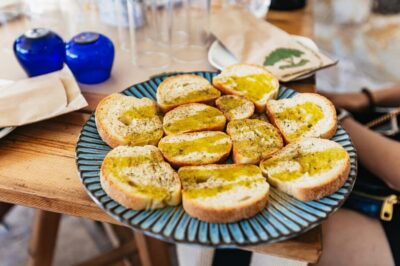
Knossos & Lasithi Plateau: Zeus Cave,Villages, Olive Oil Tour
Read our review →Browse the lists this tour appears in