
Reviewed · MUSEUMS
Megalochori: Lost Atlantis 9D Experience Museum Entry Ticket
If you like your travel facts with a little special effects, this museum is interesting because it treats the Atlantis myth like a mystery you can walk through. I especially like the 9D experience, with the earthquake, tsunami, and volcanic eruption built into one sensory ride. I also like the Plato hologram, because you are not just reading about philosophy, you get to ask about the idea that Santorini may be the source of the legend. One possible drawback is that it is designed as a tight 1 hour circuit, so serious museum-hunters looking for more depth may want to pair it with other Santorini stops.
The setup is also very practical for most visitors. You get guides at the exhibits, and the museum uses 8 languages across displays, so it is easier for groups to follow along. It is wheelchair accessible, and it is built around interaction, not just standing and reading. Still, it is not a place for pets or oversize luggage, so plan to travel light.
Key things to know before you go
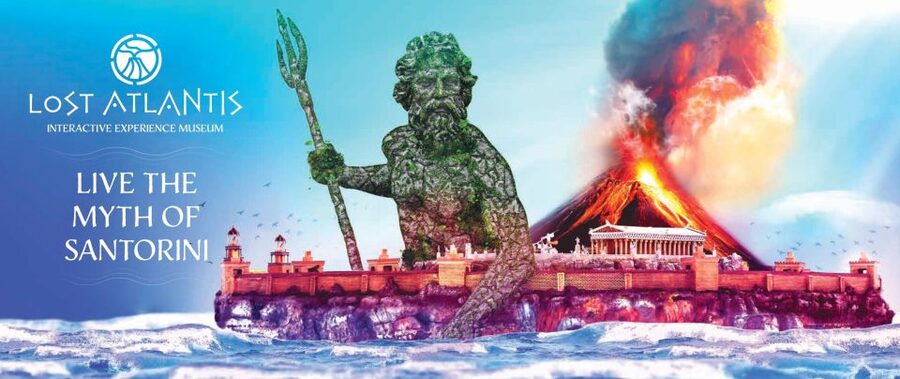
- 9D cinema turns the Atlantis disaster into a full-senses show, with effects that match the story beats.
- Plato appears as an animated hologram, and you can ask him about his philosophy and the Santorini origin theory.
- The Atlantis diorama is the big centerpiece, made to be explored rather than glanced at.
- Augmented reality virtual windows let you experience everyday scenes in different times.
- A hologram shows Santorini’s geological evolution, from prehistoric ages to today.
- You get fun extras like an interactive fresco and the chance to dress as a citizen of Atlantis for photos.
Stepping into a myth museum in Megalochori, Santorini
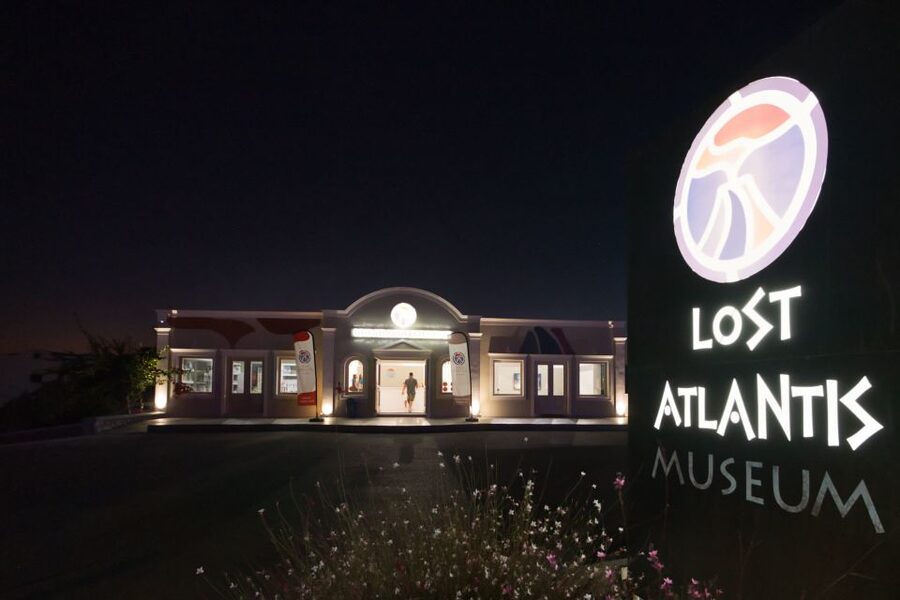
Lost Atlantis is a museum concept built around one question: what if Atlantis was not just a legend, but a story tangled up with real events on Santorini? The museum is the first dedicated space to the myth, and it keeps the focus on the link between Plato’s Atlantis and the island’s volcano story, using interactive tech to connect dots for you.
I like the way the experience is paced. You are not stuck in one room. Instead, you move through themed exhibits that each do one job, whether that is explaining the theory, showing an enormous model, or running the 9D disaster show. The result is that you can learn the premise, then see it expressed visually, then feel it in your body in the 9D theater.
It is also an easy stop to fit into a day. The full visit is listed as about 1 hour, and many people find it quicker in practice since the exhibits are arranged as a guided circuit. If you are already planning around Akrotiri or other volcano-area sites, this is a strong warm-up because it gives context for what you will see outside.
More Museums in Santorini:
- Vothonas: Wine Museum Ticket with Tastings and Audio Guide
★ 4.8 · 360 reviews - Athens: Acropolis, Parthenon & Acropolis Museum Guided Tour
★ 4.8 · 9,316 reviews - The Acropolis, Parthenon & Acropolis Museum Guided Tour
★ 4.7 · 8,493 reviews
The 1-hour flow: how guides shape the experience
This place works best when you follow the exhibit order. Guides are at the exhibits, and they guide you through the displays so you do not miss the “next step” interactions. That matters because several parts are not just passive panels. They are set up so you watch, respond, and then move along.
You will likely see the museum as a sequence of mini worlds:
- theory and story moments led by animated elements,
- large scale visuals like the diorama,
- interactive AR-style “windows” into scenes,
- and one big sensory 9D centerpiece.
The museum is also multilingual. Displays are presented in eight languages, including Greek, English, French, German, Italian, Spanish, Turkish, and Chinese. On top of that, staff who greet you speak English and Greek, which is handy if you need quick clarification at the start.
One small practical note: it is not built for lingering between exhibits. If you like reading every last sentence and staring at each detail, you may feel time pressure. But if you prefer learning through interaction, the pacing is a big plus.
Plato’s hologram Q and A: the theory part that actually sticks
A lot of Atlantis storytelling stays safely in the realm of legends and guesswork. Here, the museum pushes you into the philosophy side by bringing Plato to life as an animated hologram. The idea is simple and effective: instead of you interpreting the myth yourself, the museum gives you a guided way to ask what Plato believed and why someone might connect his story to Santorini.
You get prompted to converse and ask him about his philosophy, plus the specific theory that Santorini could have been the origin of the Atlantis myth. That Q and A format is one of the most memorable parts, because it turns the exhibit into something personal and not just educational.
I like this approach because it helps you focus. When a museum explains a theory, it can blur into a history lecture. Here, Plato is the anchor. You are always coming back to his role in the myth, which makes the rest of the exhibits easier to understand.
The largest Atlantis diorama: when scale becomes the lesson
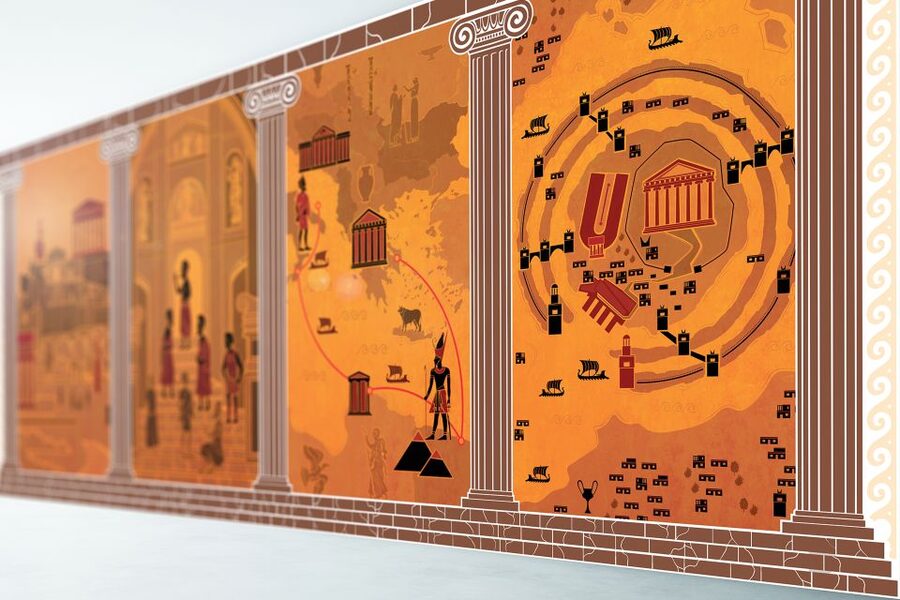
After the philosophy hook, the museum shifts into visual proof mode. The centerpiece is the largest Atlantis diorama in the world, presented as a big, detailed model you can explore through the exhibit flow.
This is where the museum earns its “hands-on” label. A diorama can be just a static object, but in this museum it functions like a map. It gives you a physical sense of what Atlantis might have looked like in the myth and how the story might connect to the island’s events.
The diorama is also one of the reasons this works well for families. Kids understand scale fast, and adults get the satisfaction of seeing a “real thing,” not only screens and screens of text.
If you are someone who hates overcrowded attractions, do not stress. Because the museum is a short circuit, it is designed for steady movement rather than long waits. It is not a massive hall where you constantly lose your group.
More days around Santorini:
- Santorini: Volcanic Islands Cruise with Hot Springs Visit
★ 4.4 · 10,869 reviews - Santorini: Catamaran Tour with BBQ Dinner, Drinks, and Music
★ 4.6 · 5,886 reviews - Premium Small-Group Catamaran Cruise with BBQ, Open Bar, Transfer
★ 5.0 · 4,209 reviews - Santorini Classic Catamaran Cruise with BBQ, Drinks and Transfers
★ 5.0 · 3,933 reviews
AR virtual windows: everyday life, not just disaster scenes
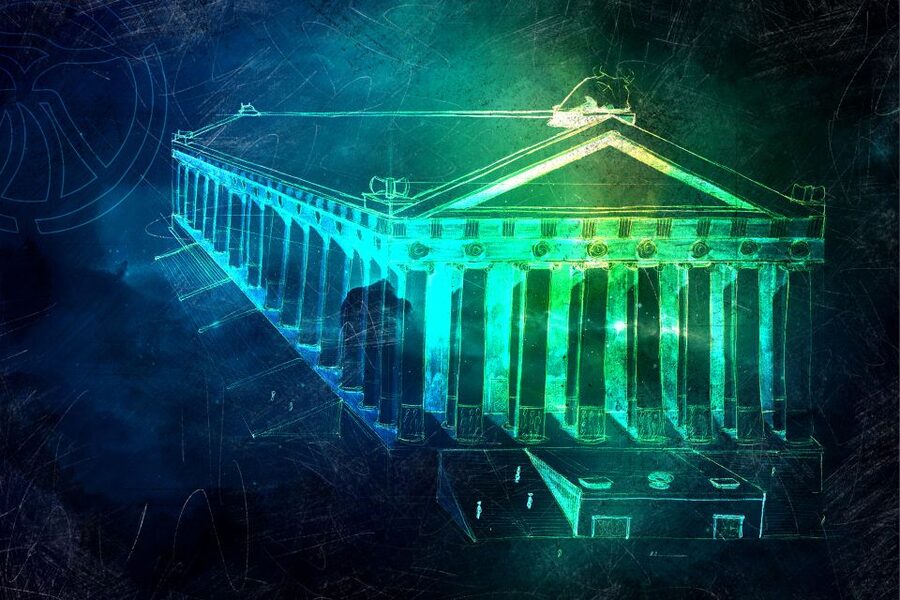
Most Atlantis stories focus on destruction. This museum balances that by showing everyday life. You explore scenes through virtual windows powered by augmented reality, letting you experience what everyday moments might look like within the Atlantis narrative.
That matters for the overall impact. You are not only learning about the end of a civilization. You are getting a sense of what would have been lost. The museum uses the AR windows to bring that “before” into your view, which makes the later disaster sequence more meaningful.
In practical terms, this is also a friendly break from the 9D theater. It gives you a calmer moment where you can take in visuals and keep the story straight in your head.
The interactive fresco: following Plato’s journey
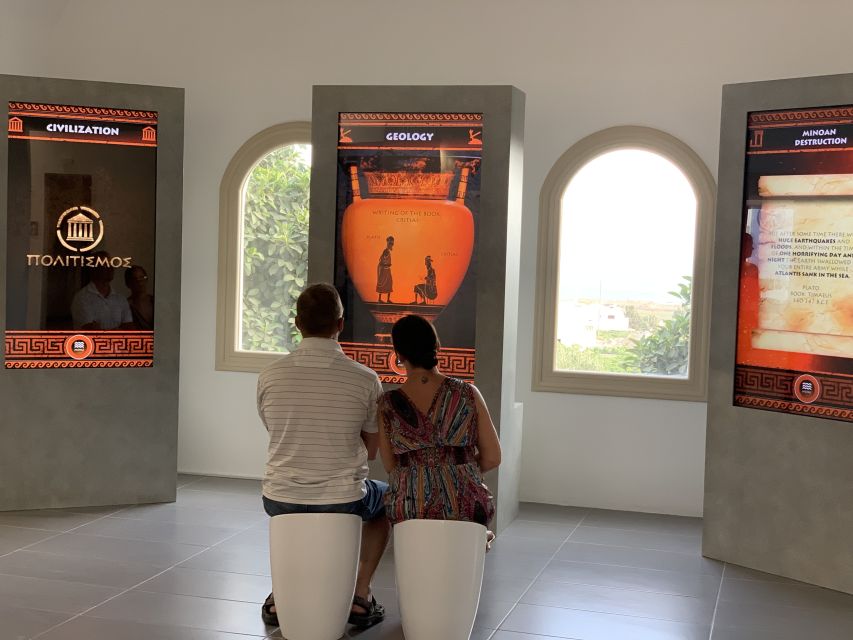
The museum also includes an interactive fresco that follows Plato’s journey that inspired him to write about the ideal city. This part is valuable because it ties the Atlantis myth to the act of imagining an ideal society, not just to one dramatic event.
If you are the kind of traveler who likes to understand the origin of an idea, you will appreciate this. It keeps the story moving forward in time, rather than treating Atlantis as a single frozen legend.
Also, because it is interactive, it feels less like you are being tested and more like you are learning the thread of the narrative.
The 9D disaster experience: earthquake, tsunami, volcanic eruption
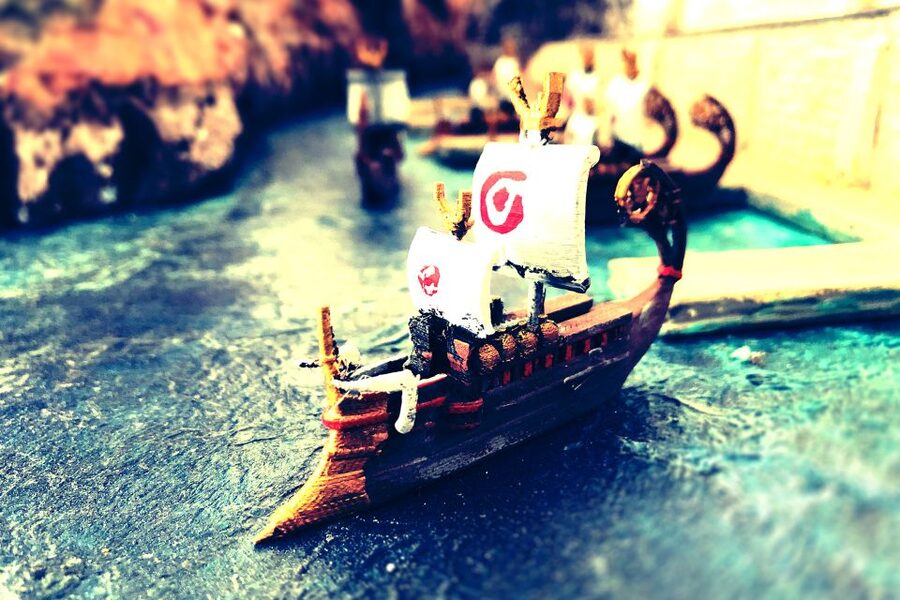
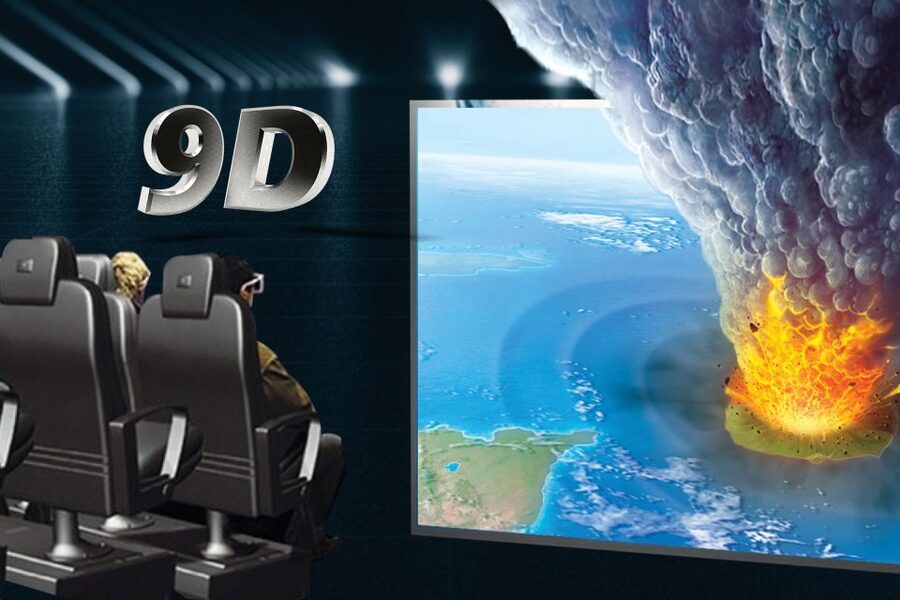
Now comes the main event. The museum’s 9D experience replays the earthquake, tsunami, and volcanic eruption that destroyed Atlantis, using effects you can feel. The show is designed so the sensory elements match the story: water sprays, bubbles, smoke, simulated ash, and wind effects are part of the experience, and you get pulled into the sequence as it unfolds.
You also get an active element related to the volcano theme. The museum experience includes the chance to walk on lava inside an active volcano. That is not the kind of thing you normally find in a myth museum, and it is one of those practical reasons this place earns attention even from people who only think they are coming for a quick movie.
Why this section matters for value: the 9D show is not just “fun tech.” It is the exhibit’s way of connecting myth and geology through an emotional pathway. You do not only hear about the eruption idea. You feel what the museum imagines that moment might have been like.
If you are sensitive to intense sensory effects, you might want to treat the 9D show as the “strongest” part of the visit. It is part of the appeal for many people, but it is also the part most likely to feel intense compared with the calmer AR and diorama sections.
Geological evolution hologram: from prehistory to today
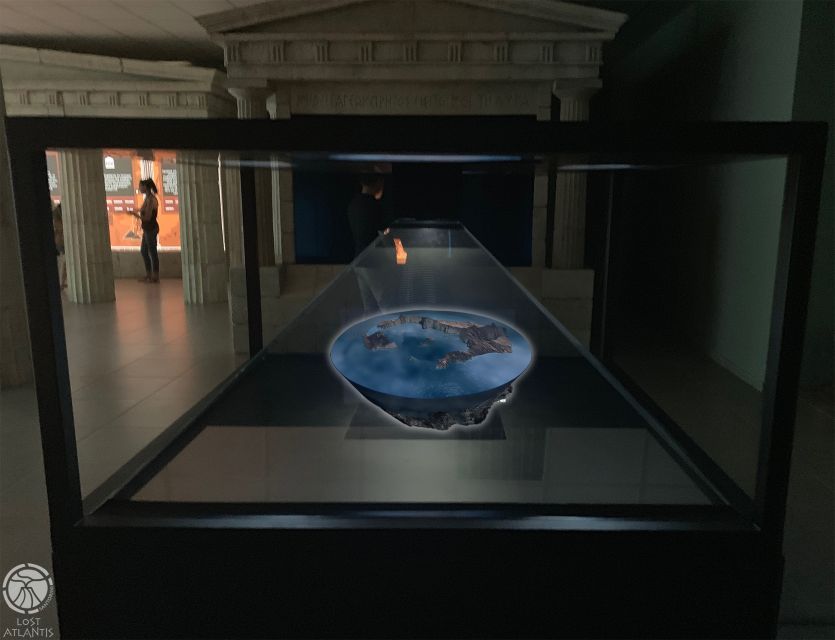
The museum also includes a holographic representation of the geological evolution of Santorini, from prehistoric ages until today. This exhibit provides the science-adjacent context the myth needs in the museum framework.
Even if you do not come in expecting scientific certainty, this section is still useful. It helps you understand why the museum links Atlantis to Santorini’s volcanic story. It is the bridge between legend and the island’s real physical history, at least as presented by the museum.
I like that the museum uses a hologram, because it makes geological change easier to grasp than a static diagram. You can see progression rather than guessing from a chart.
Dress as an Atlantis citizen, then take the photos
One of the lighter, very “Santorini tourist day” moments is the dress-up option. The museum includes the chance to get dressed up and take pictures as a citizen of Atlantis.
This is not essential to understanding the theory, but it is great for families and for travelers who want one memorable, shareable moment from the day. It also makes the museum feel less like a classroom and more like a storyworld you got to step into.
If you are traveling solo, you can still enjoy it. Even a quick photo makes the experience feel more personal, and you can laugh at how seriously you look in a made-up costume.
Where it is located, and the easiest way to find it
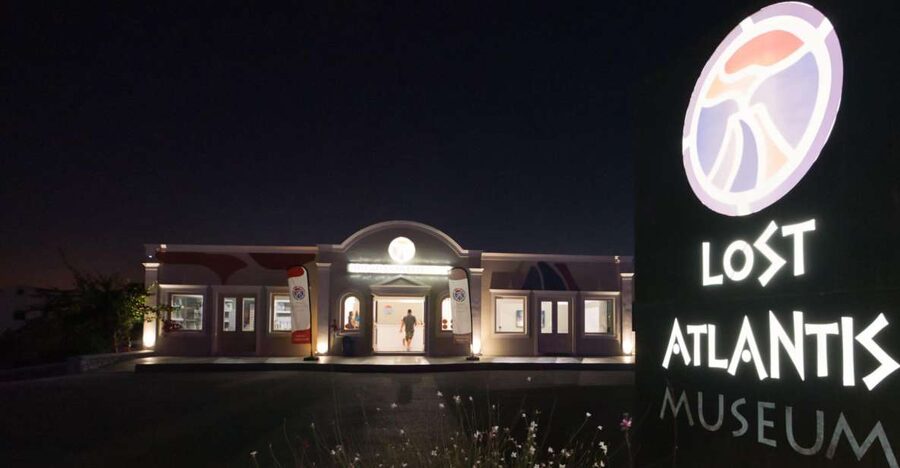
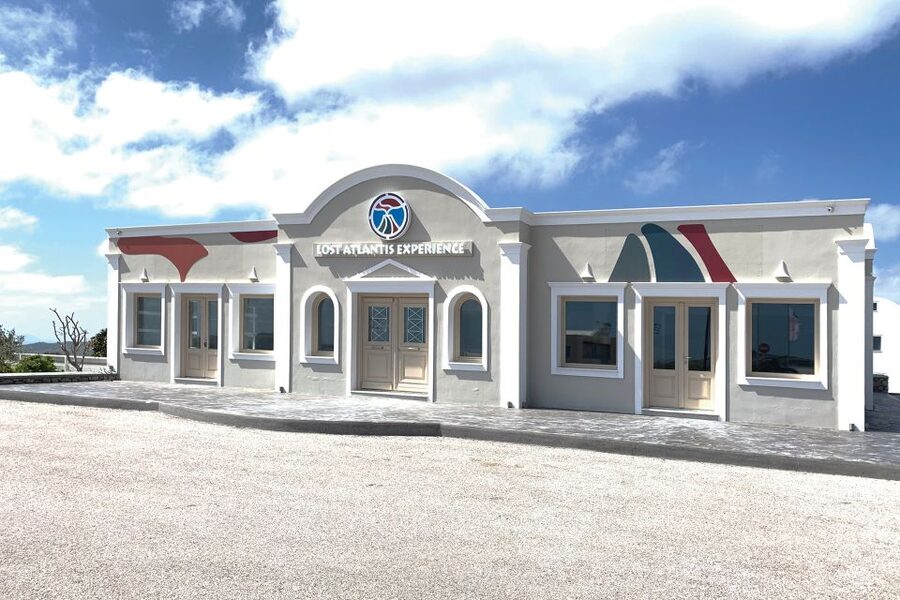
The meeting point is Lost Atlantis, Epar.Od. Firon-Ormou Perissis, Santorini 847 00. It is opposite the large supermarket Denaxas.
That is helpful because Santorini can be confusing if you are relying only on neighborhood names. With a clear landmark like Denaxas, you can reduce stress and arrive ready to go straight into the guided circuit.
The museum also does not include pickup or drop-off at your accommodation, so plan on your own transport. It also does not include food or drink, so it is smart to eat before or after nearby, not during.
Price and value: is $16 for an hour worth it?
At $16 per person for a 1-hour experience, this museum is priced like a “pay for the show and the interactive story” stop, not like a full day attraction. The value comes from the mix of things you cannot get elsewhere in Santorini without a lot more time: a guided exhibit flow, a major diorama, AR windows, a hologram of geological evolution, and a 9D disaster theater.
I think it is good value if you like:
- hands-on learning,
- cinematic experiences,
- and storytelling that connects myth with the island’s volcano narrative.
It might feel less worth it if you prefer quiet museums with lots of artifacts and long reading time. The museum is focused and time-bound. You get a complete experience, but you do not get hours of deep scholarly presentation.
Also, with the rating around 4.6 from roughly 440 reviews, the signal is consistent: people generally leave feeling they got their money’s worth in fun, learning, and overall wow factor.
Who should book this, and who should skip it
This is a strong pick for families. The interactive elements and the 9D show tend to keep kids engaged, and the guides help families follow the exhibit order without getting lost.
It is also a smart stop for solo travelers who want something structured. You do not have to figure out the sequence yourself. You can just show up and follow the circuit, guided by staff at each part.
If you are the type who loves mythology and also wants the museum’s version of the Atlantis-Santorini connection, you will likely enjoy how the pieces fit together: Plato first, diorama next, everyday scenes through AR, disaster through 9D, then geological evolution in hologram form.
I would consider skipping if you dislike strong sensory effects from theaters, or if you are already overwhelmed by tech-heavy experiences and prefer traditional archaeology. This museum is tech-forward by design.
Should you book Lost Atlantis 9D Experience in Santorini?
Book it if you want an hour that mixes myth, volcano storytelling, and a real sensory show. The combination of 9D effects, the Plato hologram Q and A, the huge diorama, and AR windows makes it feel like more than a single movie ticket. At about $16, it is also a reasonable “add-on” stop that can make your day in Santorini feel more connected to the Atlantis story.
Skip it if you only want quiet museum time, or if intense theater effects would be a problem for you. Also, if you are the kind of traveler who needs long, artifact-based history displays, this may feel too short.
If you are planning a day around Akrotiri and volcano-area history, this is the kind of stop that sets the mood first, then helps everything else make more sense. And even if Atlantis is just a myth to you, the museum still delivers a fun, guided, high-tech hour.
FAQ
How long is the Lost Atlantis museum entry ticket?
The experience is listed as 1 hour.
What is included with the ticket?
The ticket includes the 9D experience and guides at the exhibits.
Is food or drink included?
No. Food and drink are not included.
Where is the meeting point?
Lost Atlantis is at Epar.Od. Firon-Ormou Perissis, Santorini 847 00, opposite the large supermarket Denaxas.
What languages are available?
The exhibits are in eight languages: Greek, English, French, German, Italian, Spanish, Turkish, and Chinese. Staff host or greeter services are listed as English and Greek.
Is the experience wheelchair accessible?
Yes, it is wheelchair accessible.
Are pets allowed or are there luggage limits?
Pets are not allowed. Oversize luggage is also not allowed.
Just reviewed around Santorini
- Santorini First-time Visitors Private Tour with Wine Tasting★ 5.0 · 125 reviews
- Santorini: Caldera and Oia with King Thiras Boat★ 4.4 · 129 reviews
- Santorini Boat Rental: License Free and Full or Half Day Options★ 5.0 · 132 reviews
- Transportation★ 5.0 · 132 reviews
- Santorini, Designed By You: Your Private Island Masterpiece.★ 5.0 · 133 reviews
- Santorini Walking Tour with a Personal Photographer★ 5.0 · 134 reviews
- Island Bus Tour: The Majestic Spots Of Santorini★ 4.0 · 134 reviews
- Private Cultural Villages Sightseeing & Akrotiri Excavations★ 5.0 · 135 reviews
Museums, compared.
Acropolis, Parthenon & Acropolis Museum Guided Tour
Read our review →
The Acropolis, Parthenon & Acropolis Museum Guided Tour
Read our review →
Mythology of Delphi, Museum and Arachova Guided Tour
Read our review →
Acropolis monuments & Parthenon Walking Tour with Optional Acropolis Museum
Read our review →
Athens All Included: Acropolis and Museum Guided Tour with Ticket
Read our review →
Combo: Acropolis & Acropolis Museum with Optional Tours
Read our review →
Acropolis Museum Ticket with optional Audio Guide
Read our review →
Small-Group Delphi, Museum & Arachova Day Trip
Read our review →Browse the lists this tour appears in