
Reviewed · METEORA TOURS
From Athens: 4-Days Classical Tour with Meteora
Greece through the centuries is the point here, and it is a strong one: you go from myth and ancient arenas to Byzantine monasteries perched above Meteora rocks. I like that the route is tight and logical, with big stops that feel truly different from one another, and I also like the chance to see Meteora’s monasteries without having to plan the logistics yourself. One drawback to keep in mind is that this is a fast tour, so site time can feel short if you like to linger, and hotel standards can vary night to night.
You also get a practical rhythm. Most days start early, then the bus handles the long drives, with Wi-Fi onboard and a live guide to turn each site into a story you can actually follow. If you care about sitting with your travel partner on a full coach, plan for some seat shuffling during peak occupancy days.
Key highlights to look forward to
- Meteora’s suspended-rock feel, with ageless monasteries and Byzantine art views that make the drive worth it
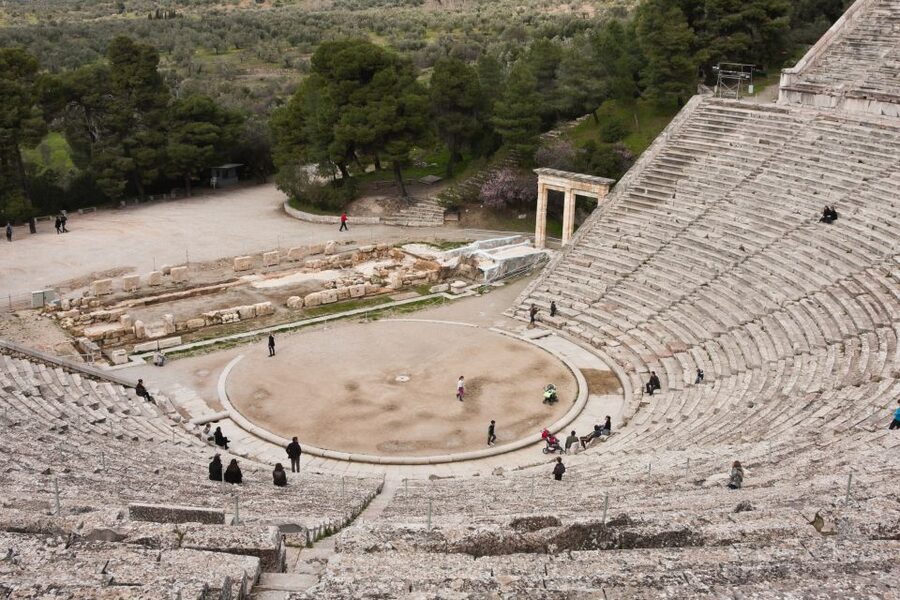
- Epidaurus’ theater acoustics, one of those rare places where you understand why it mattered
- Olympia beyond the basics, including the Sanctuary of Olympian Zeus, the ancient stadium, and the modern Olympic torch lighting spot
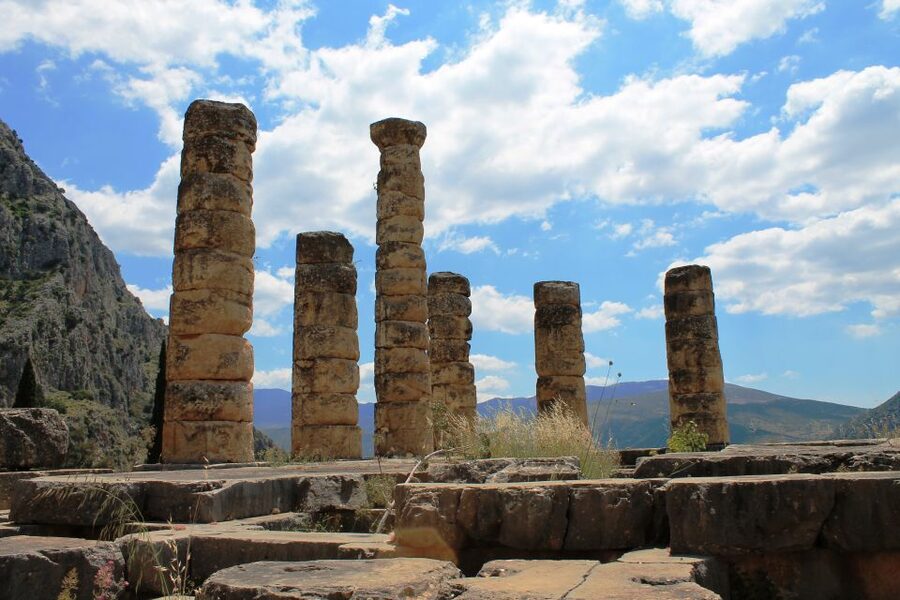
- Delphi’s oracle site and museum, a focused look at why people came from far away to ask questions
- Corinth Canal viewpoints plus major scenic driving days that connect the regions efficiently
- Coach comfort and free onboard Wi-Fi, useful when you are doing long days back-to-back
Peloponnese to Meteora in 4 days: what this tour does well
This tour works best when you want to see a lot of Greece in a short window without turning your vacation into a spreadsheet. You cover the Peloponnese, then swing north to Delphi, and finish with Meteora. That arc matters, because each stop represents a different layer of how Greece lived, argued, worshiped, fought, and re-used older spaces.
My favorite part is the way it balances famous names with the kinds of details that make them feel real. Epidaurus is not just a theater on a postcard, it is an engineering and human-performance story. Olympia is not just ruins, it is still tied to a modern tradition, including the spot where the Olympic torch is lit.
The other key strength is the included pace and planning: a professional guide, a luxury air-conditioned coach, and entrance fees. That means you can spend your energy on the sites, not on ticket lines, driving, and navigation.
More of the Meteora monasteries:
- Athens: Meteora Monasteries Day Trip with Caves and Lunch
★ 4.7 · 4,670 reviews - Athens to Meteora: Monasteries, Caves & Seaside Stopovers
★ 4.7 · 2,958 reviews - Athens: Full-Day Meteora Tour with Local Guide & Greek Lunch
★ 4.8 · 2,101 reviews
Price and what you actually get for $776
At $776 per person for a 4-day tour, you are paying for three big things: transportation, a guide, and the logistics that connect distant regions. The tour includes overnight accommodation, a professional guide, luxury coach transport, breakfast and dinner as per the itinerary, entrance fees, and free Wi-Fi on the bus.
Lunch is not included, and that matters for budgeting. Plan on buying lunch on your own or choosing meals at the included restaurant stops. Also note the overnight accommodation tax, paid directly at your hotel before check-out (more on that in the FAQ).
Here is the practical value calculation I would use: if you tried to do this independently, you would still need the same entrance fees, you would still burn time on long drives, and you would either hire a guide or spend extra time researching every site. This tour compresses that work into four days, with the guide doing the “connect-the-dots” part.
Day 1: Corinth Canal, Epidaurus theater, Mycenae tomb, and the ride to Olympia
Day 1 starts with the Corinth Canal area. Even if you only get a short stop, it sets the tone. The canal is narrow, technical, and dramatic in a very non-myth way. It is one of those places that reminds you Greece’s geography has shaped its history again and again.
Then you head to Epidaurus, and this is a stop I consider essential if you want the “ancient Greece” feeling beyond statues. The theater here is famous for its remarkable acoustics. If you have ever wondered why amphitheaters were so serious, this is where it clicks. You will walk into the semicircle and realize you are standing in a design meant to carry sound across a crowd.
Next comes the Peloponnese rhythm shift with Nafplio for a short photo stop. It is a small taste of a coastal town vibe before you go deeper inland toward Mycenae.
At Mycenae, you visit the archaeological site, including the Tomb of Agamemnon area. Even if you do not care about royal names, Mycenae gives you a clear sense of power in the pre-classical world. The walls, the setting, and the way the site is laid out all point to a civilization that organized authority and defended territory.
From there, you drive toward Olympia, passing through central Peloponnese towns like Tripolis and Megalopolis. By the time you reach Olympia, you are ready for the payoff: dinner and your overnight stay in the cradle of the Olympic Games.
What to watch for on Day 1: the long drive time. You will probably arrive hungry and tired in Olympia, so keep your energy for the evening meal and save your museum momentum for Day 2.
Day 2: Olympia sanctuary, the torch lighting spot, Rion to Antirion, and Delphi
Day 2 is the big “Olympia in full” day. You start at the archaeological site and Sanctuary of Olympian Zeus, then continue to the ancient stadium. The highlight for modern-day symbolism is the spot where the torch of the modern Olympic Games is lit. That single detail helps you understand how rituals and public spectacle can survive for centuries, even when the original culture changes.
You also visit the Archaeological Museum. That museum stop is more than optional, it is what turns the site from “pretty ruins” into “evidence.” If you want to take photos, do it fast, then pay attention to labels and finds. The museum gives the scale of the place and the role it played.
After Olympia, you drive through the plains of Ilia and Achaia to reach a striking modern crossing: the bridge crossing the Corinthian Bay from Rion to Antirion. This is not just a scenic photo break. Seeing how infrastructure moves people today helps you feel the geography of the route you are taking.
Along the way you pass by towns including Nafpactos (Lepanto) and Itea, then continue on to Delphi for dinner and overnight.
What to watch for on Day 2: the day is packed, so you may not have unlimited time at each stop. I like this style when I want a guided “greatest hits” tour, but if you are the type who needs long museum time, plan your expectations.
More days around Athens:
- Athens: Acropolis & up to 5 Archaeological Sites Combo Pass
★ 4.2 · 13,904 reviews - Athens: Acropolis Ticket with Optional Audio or Live Guide
★ 4.2 · 11,055 reviews - Athens: Acropolis, Parthenon & Acropolis Museum Guided Tour
★ 4.8 · 9,316 reviews - The Acropolis, Parthenon & Acropolis Museum Guided Tour
★ 4.7 · 8,493 reviews
Day 3: Delphi’s oracle site, museum time, and the road to Kalambaka
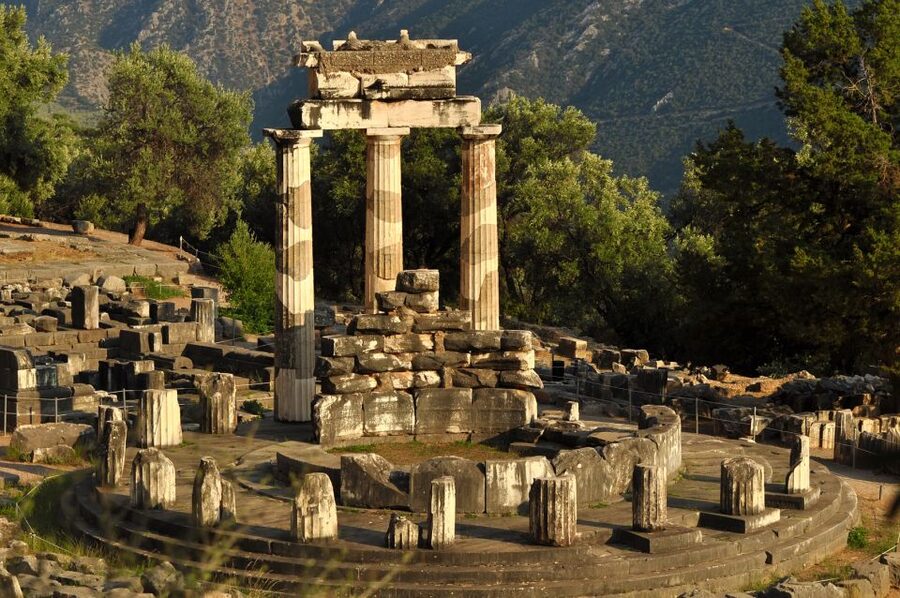
Day 3 starts in Delphi with both the archaeological site and the Museum of Delphi. Delphi is best understood as a place people traveled to for answers. The tour frames it through the famous oracle of the ancient world, and the site and museum work together. The archaeological area gives you the physical sense of where the questions were asked. The museum gives you the material culture behind the legends.
After Delphi, you depart for Kalambaka, the small town at the foot of Meteora. This is where the temperature and mood can shift. Instead of wandering ruins, you start getting the sense that the real drama of your trip is about to happen.
Kalambaka is also your base for Meteora the next day, so Day 3 is about getting oriented. Dinner and your overnight stay here set you up for the early start and the views that Meteora is famous for.
A practical tip: bring a light layer. Even if Athens feels warm, higher elevations around Kalambaka can feel cooler, and conditions can change.
Day 4: Meteora monasteries and Byzantine art on gigantic rocks
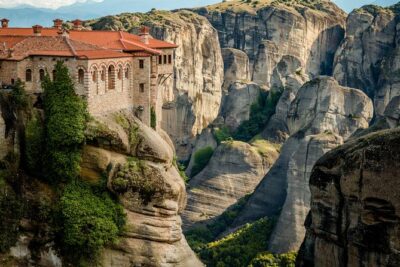
Day 4 is the reason most people book this tour. Meteora feels unreal the first time you see it. The monasteries sit on huge rocks that look like they are hovering, and you understand why monks chose places like this: isolation, protection, and a view that makes you feel small in the best way.
You visit Meteora with stops designed to show you the why as well as the what. The monasteries are ageless, and the tour also highlights Byzantine art you can see on site. That combination is important. Meteora is not just about geology and photos. It is about religious life, architecture, and how art was used to communicate beliefs to communities.
Because Meteora is outdoors and built around uneven rock approaches, wear comfortable shoes. Plan for stairs and walking. Also consider that you are traveling as part of a group, so you will follow the flow of the day rather than doing a personal slow loop.
When you finish Meteora, you head back toward Athens via Trikala, Lamia, and Thermopylae with a short stop where you can see across the road Leonida’s Monument. It is a quick historical bookend before you return to Athens early in the evening.
Hotels, group logistics, and the small surprises that matter
This tour is built around coach travel and set overnight stops. That has a downside: you do not control the hotel details, and hotel experience can vary even when the tour includes accommodation and dinners.
The biggest hotel issue worth flagging is noise and comfort. One recent experience included an uncomfortable bed and too much noise, which is the kind of problem that ruins the next day. Another concern that can pop up in Meteora area accommodations is the lack of an elevator, meaning you might carry bags upstairs. If you have mobility issues or you travel with heavy luggage, I strongly suggest traveling with something you can manage easily, or asking ahead about elevator access for the Meteora hotel.
Payment is another practical item. There is an overnight accommodation tax that you pay at the hotel prior to check-out. In at least one case, the hotel reportedly did not accept card for that tax, so cash was needed. I recommend carrying some euros as a backup, even if you normally pay by card.
Group logistics also matter. The coach can fill to capacity, and that can lead to seating conflicts, especially when you care about sitting with your travel companion for long stretches. If that matters to you, come in mentally ready for seat changes and keep your expectations flexible.
Then there is lunch. Lunch is not included, and restaurant stops can include times that feel connected to shopping rather than pure sightseeing. If you are on a tight schedule or you dislike tourist-marketing detours, choose your lunch spot calmly, eat what you need, and move on.
Guide quality: when the narration makes ancient sites click
This is one of the places where the tour can feel either ordinary or excellent, depending on the guide. The good news is that multiple guides have been praised for being entertaining and organized, including George, Thomas, and Antonio.
That kind of guidance makes a difference at sites like Epidaurus and Olympia. Without context, you walk through stones. With context, you understand scale, purpose, and why certain details were built the way they were. In particular, the narration around modern-to-ancient symbolism, like the Olympic torch connection, can turn a “ruins stop” into something you remember later.
Also, a good guide helps the day run on time. You are moving between regions, and the group needs calm handling when there are latecomers, traffic, or crowded sites. Organized pacing is part of the value you are paying for.
Who this tour suits (and who should skip it)
This tour is a great fit if you:
- Want a guided classical Greece sampler in a short time
- Like major highlights without handling car rentals, ticket planning, and driving
- Are excited by a day-to-day mix of big sites like Epidaurus, Olympia, Delphi, and Meteora
It may be less ideal if you:
- Prefer slow travel and long museum stays
- Need quiet rooms for a full night of sleep and are sensitive to noise
- Have mobility challenges and want to minimize stairs or stairs-connected hotel layouts
If you are traveling as a couple or family and you really care about staying seated together on the coach, know that full occupancy can disrupt seat plans.
Should you book this 4-day Classical Tour with Meteora?
I would book it if your goal is to see the headline Greece highlights with strong structure, professional guidance, and included entrance fees, and you do not mind a fast pace. The Meteora day is the emotional peak, and Olympia plus Delphi give you the brain payoff, not just pretty views.
Before you book, do two simple things. First, pack a little patience for long driving days and site time that can feel rushed. Second, plan your money like a local: bring some cash for the overnight accommodation tax as a backup, since card acceptance can vary by hotel.
If that sounds reasonable, you are in the right place. You will come away with a clear mental map of how Greece moved from ancient ceremonial life to Byzantine religious art, all within four days.
FAQ
What is included in the tour price?
The tour includes overnight accommodation, a professional guide, luxury air-conditioned coach transport, breakfast and dinner as per the itinerary, entrance fees, and free Wi-Fi on the bus.
Are lunch and drinks included?
No. Lunch and drinks are not included.
Which languages is the live guide available in?
Live tour guide languages are French, English, and Italian.
What accommodation tax do I need to pay?
An overnight accommodation tax must be paid at the hotel prior to check-out. The amounts listed are 5 star: 4.00 EUR per overnight per room, 4 star: 3.00 EUR per overnight per room, and 3 star: 1.50 EUR per overnight per room.
What sites are covered during the 4 days?
You will visit Corinth Canal, Epidaurus, Mycenae (including the Tomb of Agamemnon), Olympia (including the Sanctuary of Olympian Zeus, ancient stadium, torch lighting spot, and Archaeological Museum), Delphi (archaeological site and museum), and Meteora monasteries, plus a short stop at Leonida’s Monument across the road during the return to Athens.
How long is the tour?
The duration is 4 days.
Is the coach transport comfortable, and is there Wi-Fi?
Yes. Transport is by luxury air-conditioned coach, and there is free Wi-Fi on the bus.
What is the cancellation policy?
You can cancel up to 24 hours in advance for a full refund.
Just reviewed around Athens
- Athens Airport Arrival Transfer to Hotels or Addresses in Athens★ 3.5 · 45 reviews
- Luxury Catamaran Sunset Semi-Private & Greek Gastronomy in Athens★ 5.0 · 45 reviews
- Port Transfer★ 5.0 · 45 reviews
- Private Luxury Tour: Unveiling the Sacred Mysteries of Eleusis★ 5.0 · 45 reviews
- Acropolis Private Wine Tasting @ Finewine store★ 5.0 · 46 reviews
- Delphi, Thermopylae full day private tour from Athens★ 4.9 · 46 reviews
- From Athens: City & Corinth Guided Day Tour★ 4.8 · 46 reviews
- Ancient Corinth Half-Day Private Tour from Athens★ 5.0 · 46 reviews
Meteora Tours, compared.
Meteora Monasteries Day Trip with Caves and Lunch
Read our review →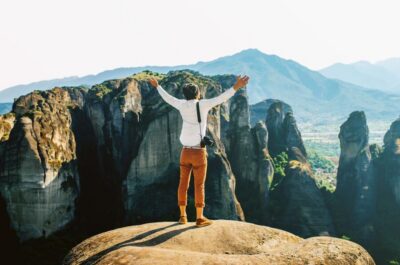
Athens to Meteora: Monasteries, Caves & Seaside Stopovers
Read our review →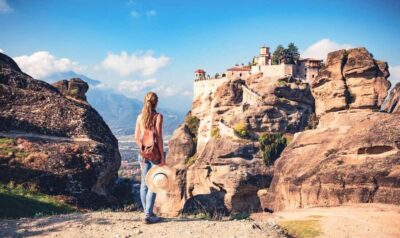
Full-Day Meteora Tour with Local Guide & Greek Lunch
Read our review →
Meteora Monasteries, Caves & Coastal Stopovers with Lunch
Read our review →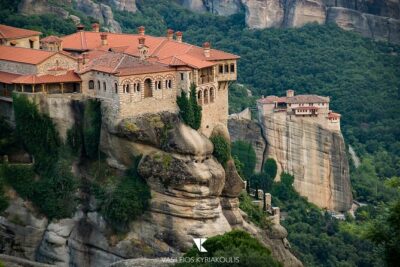
Meteora Monasteries & Caves DayTrip from Athens with Greek Lunch
Read our review →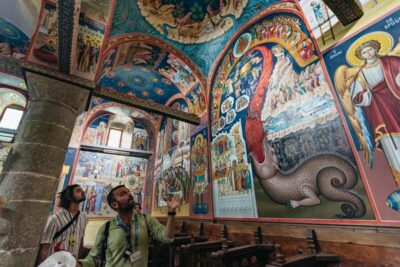
4-Day Classical Greece Tour: Epidaurus, Mycenae, Olympia, Delphi, Meteora
Read our review →Browse the lists this tour appears in