
Reviewed · ACROPOLIS TOURS
Acropolis & Acropolis Museum PRIVATE Expert led Guided Tour
What makes this tour interesting is how it turns the Acropolis into a clear story, then lands you in the Acropolis Museum to explain what you just saw. You do not just stand there and read plaques, you get the why behind the stone. The big payoff is leaving with a mental map of Classical Athens, not just a camera roll.
I love the fact that you get a state-accredited licensed archaeological expert guiding the entire walk. I also love how the guide links myth and architecture, so stops like the Theatre of Dionysus and the Parthenon feel connected instead of random highlights.
One thing to plan for: admission tickets are not included, so you will need to coordinate entry time slots after booking to keep everything running smoothly.
Key Points You Will Actually Care About
- State-accredited licensed archaeological expertise on a private, question-friendly walk
- Skip-the-line support for smoother entry once your ticket timing is sorted
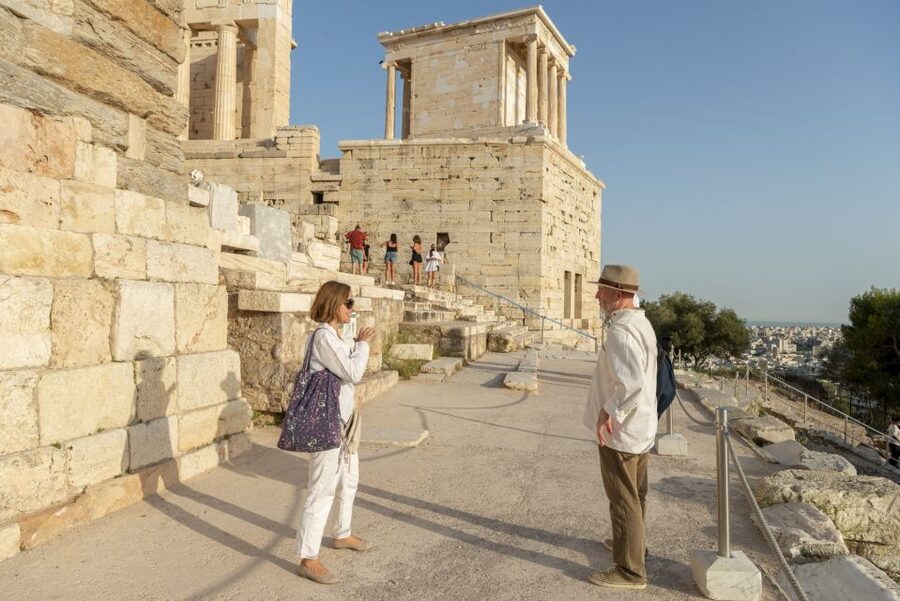
- Short, high-impact stops at Theatre of Dionysus, Propylaea, Athena Nike, Parthenon, and Erechtheion
- Acropolis Museum context with models, videos, and interactive installations that match what you saw outside
- Guided “best spots” for views and photos, plus an optional extra moment inside the Acropolis
A Private Expert Turns the Acropolis From Photos Into Understanding
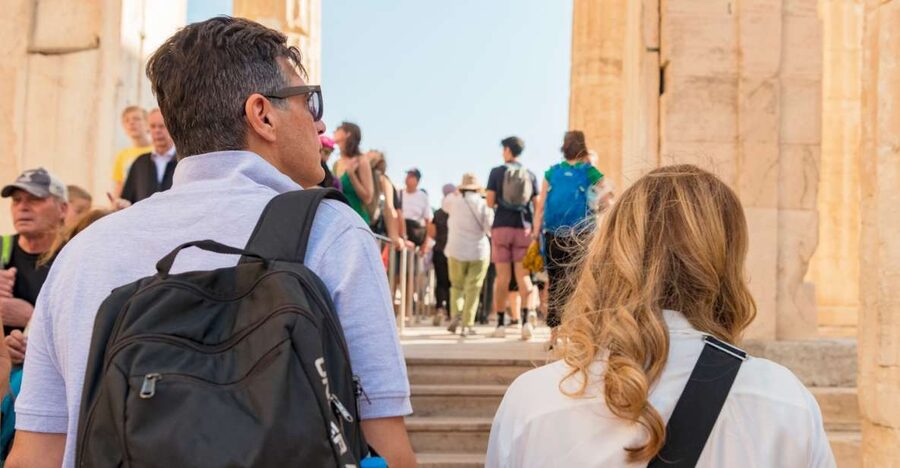
The Acropolis is one of those places where even perfect lighting cannot fix confusion. You see towering ruins, you feel awe, and then you wonder what you are looking at and why it mattered. This tour is built to solve that problem with a licensed archaeological guide who explains in plain language and keeps you moving at a pace that fits a real human attention span.
If you are the type who loves details, you will appreciate the way the guide treats each stop like a clue. For example, the Theatre of Dionysus is not presented as a lonely set of seats. You get what was staged there and why it mattered to Greek culture. If you are less into lectures, you still benefit because the story sticks to the stone.
Also, you are not trapped in a big-group rhythm. Being private means you can ask follow-up questions on the spot, whether it is about marble placement, political meaning, or how myths were part of everyday life. Guides you might encounter, like Aleksandra, Vicky, or Marina, are consistently described as organized and able to answer what you ask, not just what they planned to say.
More Museums in Athens
- Athens: Acropolis, Parthenon & Acropolis Museum Guided Tour
★ 4.8 · 9,316 reviews - The Acropolis, Parthenon & Acropolis Museum Guided Tour
★ 4.7 · 8,493 reviews - Athens: Mythology of Delphi, Museum and Arachova Guided Tour
★ 4.7 · 5,102 reviews
Meeting at Makrigianni 7, Then Beating the Head-Spinner Crowds
Your meeting point is Makrigianni 7, close to the Acropolis Museum. The guide has a sign with your name, so you are not wandering like a confused extra in a tourist video. Since the tour is private, you also avoid the awkward “wait while the last person arrives” problem that eats travel time.
This tour includes skip-the-line handling, but with one practical caveat: admission fees are not included. After booking, the provider contacts you about ticket timing, so the guide can have the entry ready when you arrive. In plain terms, you get the smoother experience when your ticket slot is lined up.
Logistics-wise, the tour is also walking-focused. You are moving between multiple Acropolis points and then down toward the museum, so wear good shoes and plan for a bit of uphill. If you are heat-sensitive, you will love that the stops are short and focused, and the guide can adjust pace as needed.
Theatre of Dionysus: Tragedy, Stagecraft, and the Human Scale
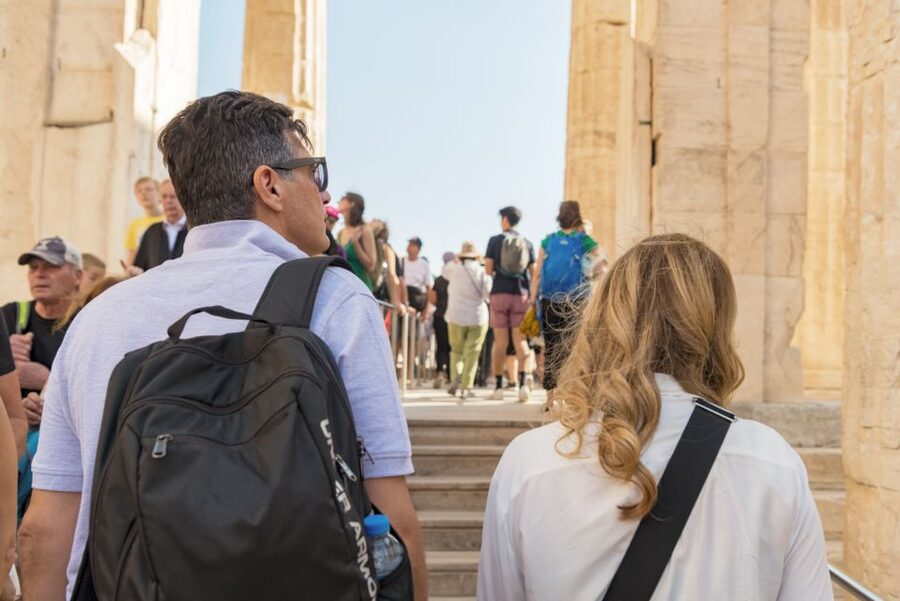
You start on the Acropolis with the kind of first stop that changes how you see everything else. The Theatre of Dionysus is often described as historic, but here it becomes vivid through what was performed on its stage.
The guide points you toward the idea that this was the kind of venue where plays were not just entertainment. They were cultural events tied to the identity of Athens. It also helps you understand why the Acropolis is not only temples and monuments. It is also a place where public life, art, and religion overlapped.
The stop is about 15 minutes, so you are not stuck for hours staring at an empty-looking bowl. The guide keeps it tight, then uses the theatre to set up the bigger story of what the Greeks built and why.
Propylaea, Defensive Walls, and Temple Nike: Small Details With Big Meaning
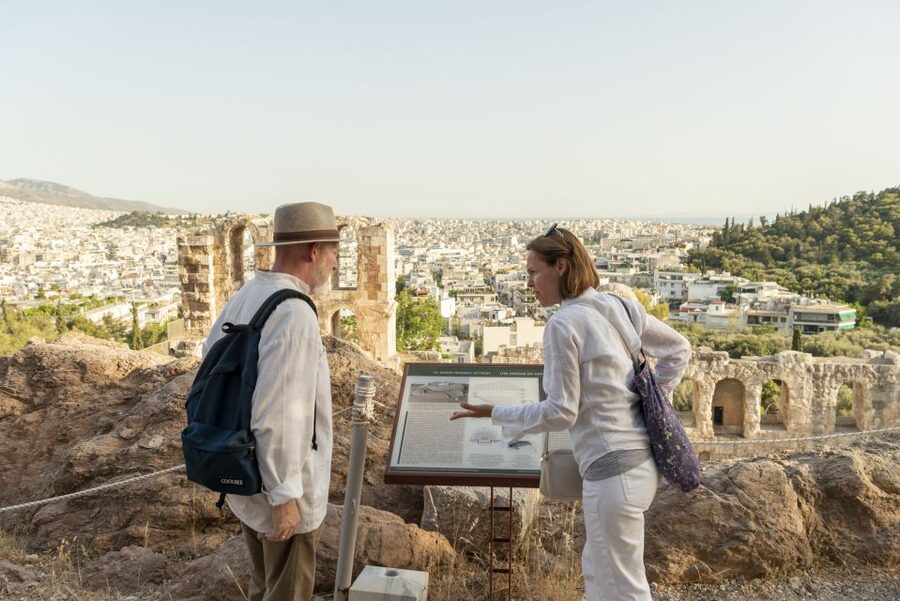
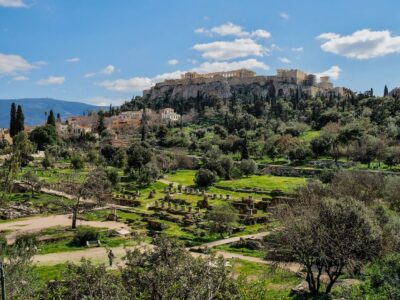
After the theatre, you move to the defensive walls described as about 5-meters thick, built by earlier ancestors long before the Classical Greeks. This is one of the more surprising points because it reframes the Acropolis as more than a “pretty hill.” You get a sense of protection and power, not just art.
Then comes the Propylaea, the monumental entrance. The guide brings in a vivid image: sunlight glinting off a bronze spear tip of the statue of Athena that once stood there. Even if you cannot picture it perfectly, the purpose is clear. You learn to think in sightlines, materials, and symbolism, not just architecture names.
The Temple of Athena Nike is a quick stop, but it is chosen for a reason. It connects the myth of Athena to the identity of the city. It also helps you practice reading the Acropolis as a whole, where every structure quietly supports the next one.
If you want the best value from this segment, listen closely when the guide talks about context. That is where you will notice how much you would otherwise miss.
More ways to see the Acropolis:
- Athens: Acropolis & up to 5 Archaeological Sites Combo Pass
★ 4.2 · 13,904 reviews - Athens: Acropolis Ticket with Optional Audio or Live Guide
★ 4.2 · 11,055 reviews - Acropolis: Premium Acropolis and Parthenon Guided Tour
★ 4.8 · 5,208 reviews - Acropolis and Parthenon Guided Walking Tour
★ 5.0 · 4,755 reviews
Parthenon and Erechtheion: When Myth and Architecture Share the Same Stage
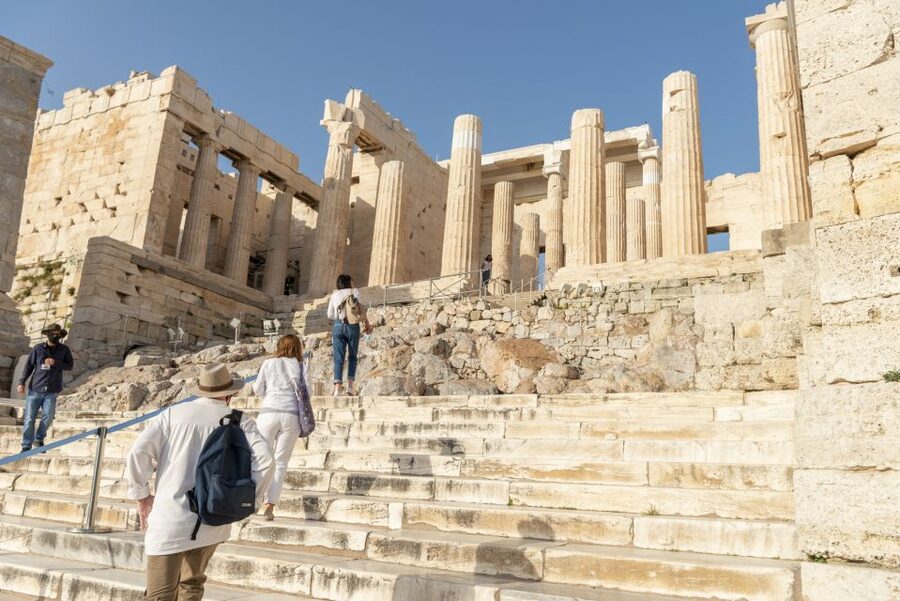
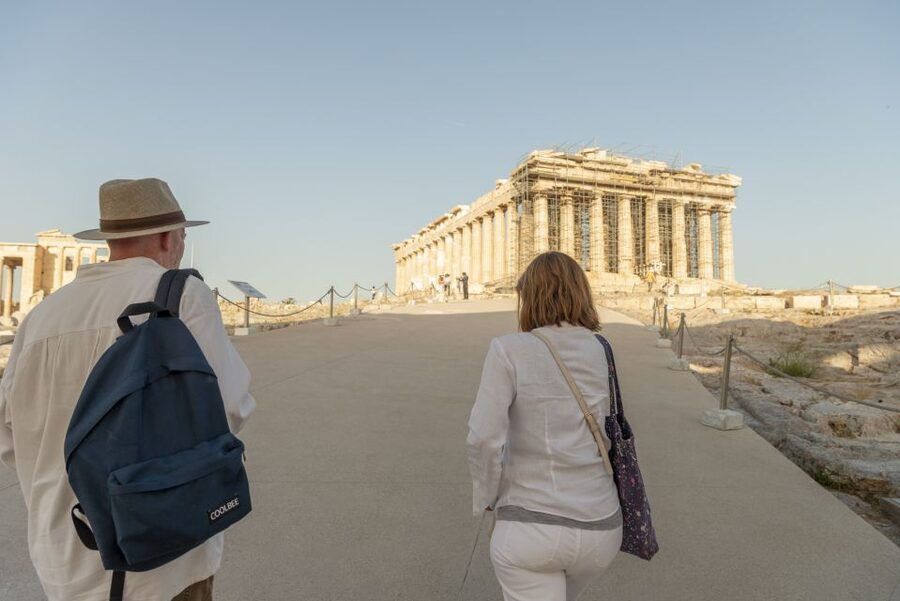
No private tour of the Acropolis is complete without the Parthenon. The key difference here is that it is not treated like a standalone icon. The guide explains how it fits into the larger story of Athens during the so-called Golden Age of Classical Greece.
The guide also keeps it human. Instead of making it feel like a museum lecture, the focus is on the meaning of what you are seeing and how the pieces fit together. Even short stops, like around 15 minutes at major points, can feel substantial when you get context that normal signage never delivers.
Then you reach the Erechtheion, including the mythology tied to the struggle between Poseidon and Athena. This is one of those moments where the tour earns its price, because it gives you a reason to care about what otherwise feels like another complex of stone and columns.
The guide’s job is to connect the myth to the physical place. Once you understand that, the Erechtheion stops being a confusing jumble and starts acting like a story told in architecture.
Odeon of Herodes Atticus and the View Strategy That Saves Your Photos
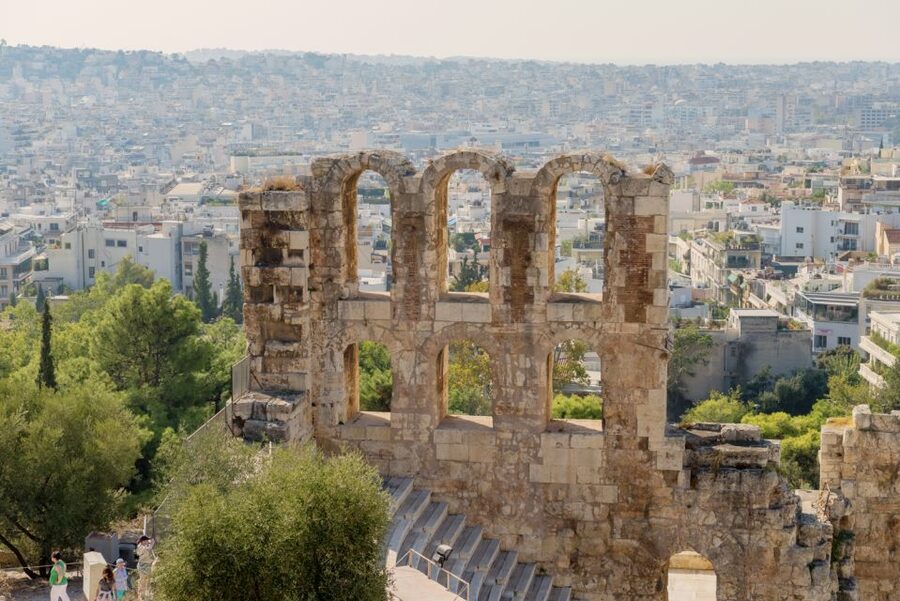
After the main temples, you get panoramic views that look almost staged, even though they are just Athens stretching below. This is where the guide helps you pause and take it in without drifting off into random sightseeing mode.
Next is the Odeon of Herodes Atticus. It is notable because it is still in use during the summer. That continuity matters, because it reinforces that this city did not stop being a cultural center after the ancient period. It evolved, but the impulse to gather, perform, and watch remained.
The guide keeps the stop tight, about 15 minutes, which is smart. You get enough time to orient yourself, take photos, and understand why the theatre is located where it is. You also get direction for timing, since crowd flow can change quickly.
The Acropolis Museum: Where the Stone Starts Talking Back
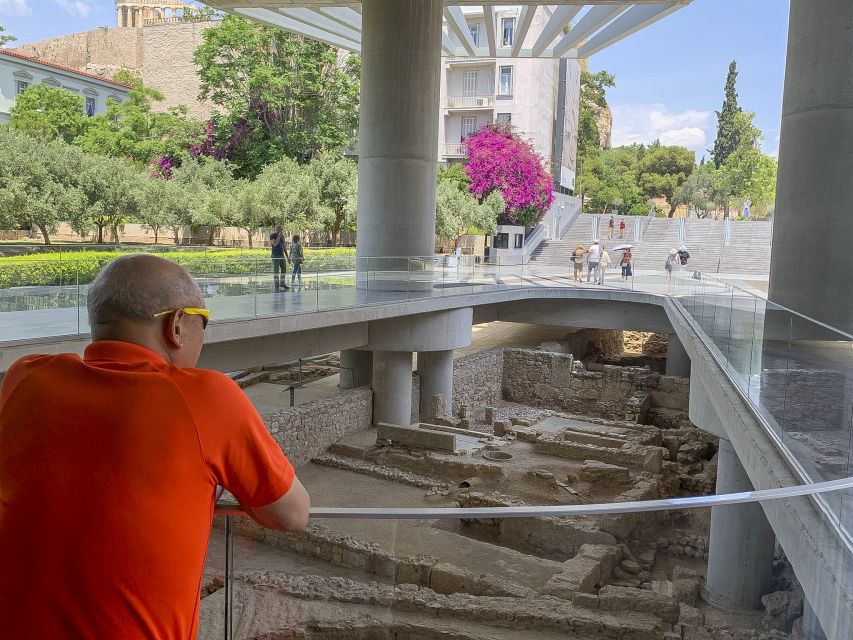
The walking tour ends with the Acropolis Museum, where the artifacts and design help you connect what you saw outside to what survives inside. The museum is described as new and built to preserve the most significant finds from the Acropolis, plus it includes models, videos, and interactive installations.
This is not just a “cool place to rest.” It is where the tour becomes clearer and more complete. Outdoor ruins can be hard to visualize at full scale. In the museum, your guide can point out the associated masterpieces and explain their role in the bigger story.
You also get a different kind of learning here. Outside, you notice size and placement. Inside, you can notice craftsmanship, themes, and how the museum experience is designed to help you understand the Golden Age of Classical Greece. The guide highlights the must-see pieces and answers questions so you can connect dots on the spot.
The museum time is about 1.5 hours, which is enough for a meaningful pass if you stay focused. If you tend to read every label, you might want extra time, but this guided format is built for momentum, not for wandering.
Finishing at Ancient Agora: A Practical Way to Keep the Athens Story Going
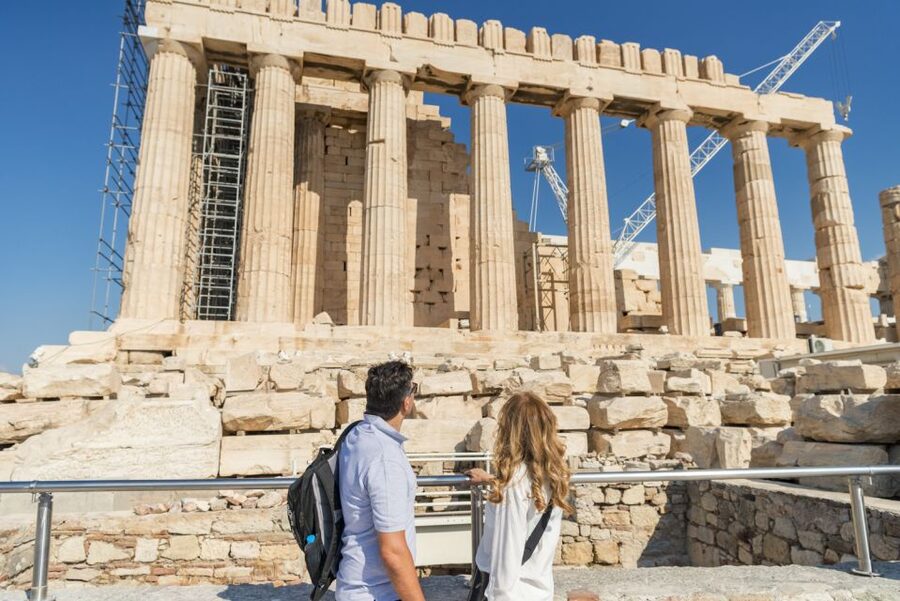
Some tours extend the experience by continuing your path toward the Ancient Agora of Athens, and the itinerary finish is set near it. This matters because the Agora is where civic identity took shape, not just temple worship.
The guide’s framing emphasizes that philosophers taught there, democracy was born, and the area holds some of the most complete remaining remains of a classical Greek temple. Even if you only do a quick walk afterward, it helps you connect the Acropolis to the everyday world of ancient Athens.
If you are the kind of visitor who likes structure, ending with the Agora is a smart follow-through. It turns your half-day into a coherent arc rather than two separate attractions.
Price and Value for a Private 1.5 to 3 Hour Expert Tour
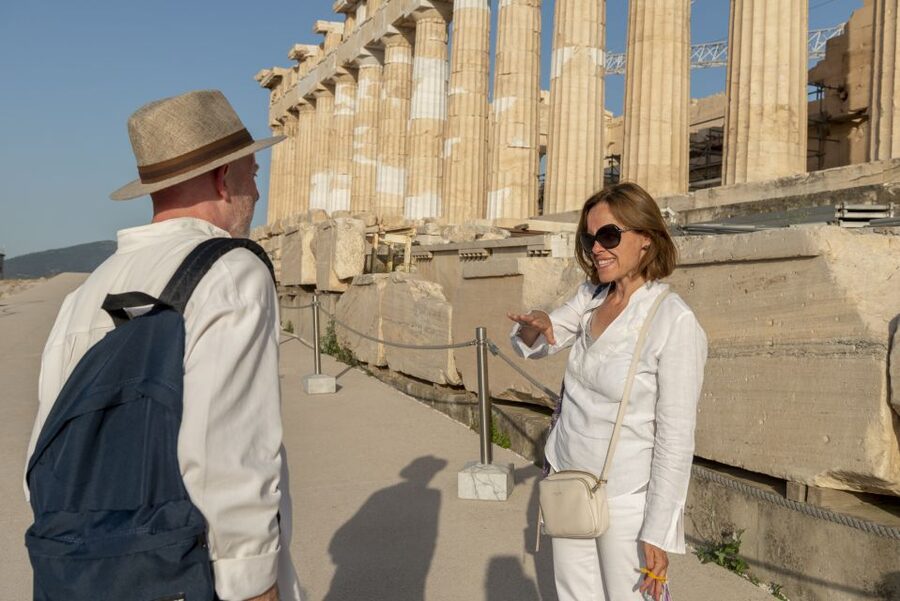
At $163 per person, this is not a budget add-on. The value depends on what you want from Athens.
Here is what you are paying for:
- A private experience, so you are not sharing guide time with a crowd
- A licensed archaeological guide who can explain context and answer questions
- A smart mix of key Acropolis points plus the Acropolis Museum
- Skip-the-line support, once your admission timing is sorted
What you are not paying for:
- Tickets and admission fees, which you purchase separately after booking on request
- Hotel pickup and drop-off, so you meet at Makrigianni 7 and handle your own way back
For me, the best way to judge the price is to compare it to doing it alone with an audio guide. Alone, you can still have a great time, but the learning curve is steeper because you will not know what details to look for. With a private expert, you save time on confusion. You also get better use of limited sightseeing energy, because each short stop is chosen for maximum storytelling impact.
If you are traveling with family, a private guide can also help keep kids or teens engaged by tailoring the explanation. Several guides in this program, like Elina and Lisa, are described as good at making explanations land, even when the group has different levels of interest.
Should You Book This Acropolis and Acropolis Museum Private Tour?
Book it if you want the Acropolis to feel understandable, not just impressive. This is a strong choice for first-time visitors who want the big Greek myths connected to the real architecture, and for repeat visitors who want the missing layer that turns old photos into new meaning.
Skip it or consider a simpler option if you only want casual sightseeing. The tour is structured, you will be walking between major points, and you will need to coordinate admission tickets since they are not included.
If you want the best setup, plan for good walking shoes and set aside a half day mindset. Then let the licensed guide do what plaques cannot do: make the Acropolis click.
FAQ
How long is the tour?
The tour runs about 1.5 to 3 hours, depending on the option you choose.
Is the entry ticket included in the $163 price?
No. Ticket costs and admission fees are not included. The provider contacts you after booking about purchasing skip-the-line tickets or handling entry timing.
Where do we meet the guide?
You meet at Makrigianni 7, Athina 117 42, close to the Acropolis Museum. The guide has a sign with your name.
Is this a private tour?
Yes. It is private, exclusive to your group.
What languages are available?
The live guide is available in English, German, Italian, and Greek.
Is wheelchair access available?
No. The tour is not suitable for wheelchair users.
Are pets allowed?
No. Pets are not allowed.
If you want, tell me your travel month and whether you’re doing Acropolis-only or Acropolis plus museum, and I can help you pick the most practical time of day based on how the schedule usually feels on-site.
Just reviewed around Athens
- Athens Highlights: Myths & Philosophers Walking Tour★ 5.0 · 125 reviews
- Sounio Sea Kayak Tour to the Temple of Poseidon full program★ 5.0 · 126 reviews
- First Access Acropolis Tour, Beat the Crowds, Enjoy the Parthenon★ 5.0 · 128 reviews
- Athens Half-Day Tour: Acropolis, Parthenon & All Major Landmarks★ 5.0 · 127 reviews
- Ancient Corinth, Mycenae, Epidaurus, Nafplio full day private tour from Athens★ 5.0 · 130 reviews
- Athens Highlights by E-Bike: Small-Group Historic Tour★ 5.0 · 131 reviews
- Athens Cooking Class and Lunch in our beautiful garden in Greece★ 5.0 · 130 reviews
- Athens Shore Excursion: Acropolis Walking Tour★ 4.5 · 131 reviews
Acropolis Tours, compared.
Acropolis & up to 5 Archaeological Sites Combo Pass
Read our review →
Acropolis Ticket with Optional Audio or Live Guide
Read our review →
Acropolis, Parthenon & Acropolis Museum Guided Tour
Read our review →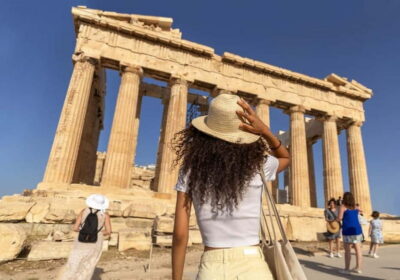
The Acropolis, Parthenon & Acropolis Museum Guided Tour
Read our review →
Acropolis: Premium Acropolis and Parthenon Guided Tour
Read our review →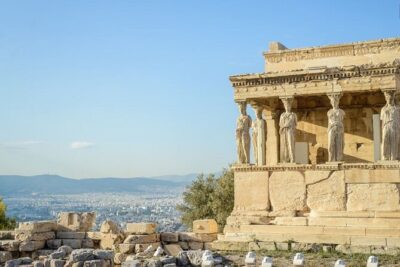
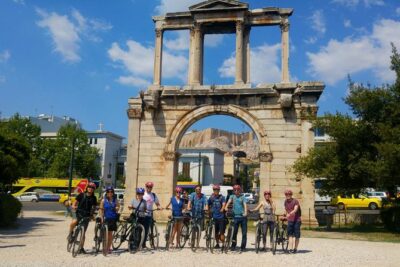
Athens Scenic Electric Bike Tour with optional Acropolis visit
Read our review →Browse the lists this tour appears in