Reviewed · ATHENS TOURS
3-Day Ancient Greek Archaeological Sites Tour from Athens
If you want to see the biggest names in classical Greece in a short time, this Peloponnese loop is a strong fit because it pairs ancient sites with the stories that made them famous. It is promoted as carbon-neutral, and the ride is handled by an air-conditioned bus with planned stops, so you spend more time at the ruins and less time figuring out transportation.
I also like that the tour is designed around how these places connect, so you do not just collect postcard views. The guide work can be excellent, with many guides (including Anna, Panos, Marianna Tsigaridou, and archaeologist Dimitris) known for tying the myths to what you actually see, then making time for you to look around at your own pace. The only real drawback to consider is that the schedule can feel fast, and in hot weather places like Olympia and Delphi can be tough when the sun is intense and shade is limited.
Key takeaways before you go
- Carbon-neutral promoted approach with transfers by luxury air-conditioned bus, cutting down on solo logistics
- Myths made practical through live English guiding, with guides like Anna, Marianna Tsigaridou, Dimitris, and Christine highlighted for storytelling
- Acoustics at Epidaurus and big-sight context at Mycenae, Olympia, and Delphi, so the stones feel less random
- Two major museums on your route (Olympia and Delphi) that help you picture what you are missing in the ruins
- Heat and walking management matters because long guided stays at open-air sites can mean sun-chasing, even with breaks
Why the Peloponnese loop works for a short trip from Athens
This is not a “drive past a couple of ruins” kind of day. It is a focused circuit that hits four headline destinations tied to Greek myths and ancient sport and worship: Epidaurus, Mycenae, Olympia, and Delphi, plus the big engineering moment of the Corinth Canal.
What you gain is continuity. You start with a theater that shows how the Greeks understood performance and sound, then you move to royal power in Mycenae, then into sacred sport at Olympia, and finally into the religious brain of the ancient world at Delphi. If you are the type who likes to understand how one place leads to another, this format clicks fast.
More Athens days to weigh up
- 3-Day Classical Greece Tour: Epidaurus, Mycenae, Nafplion, Olympia, Delphi
★ 4.5 · 342 reviews
Corinth Canal and the drive days that keep you moving (without stressing)
Right after leaving Athens, you stop at the Corinth Canal on the Saronic Gulf. The real payoff here is how you can watch a modern-looking stretch of water while knowing it is a 19th-century engineering project, carved through the land in a way that makes the geography feel dramatic.
Then you get the practical rhythm of a coach day. You are not expected to navigate around winding roads, find parking, or stitch together bus transfers. The group ride is handled, and you get built-in moments to stretch legs or pick up small souvenirs, including short stops in towns like Tripolis and Megalopolis as you head toward Olympia.
If you dislike being rushed, know that you will still feel travel days stacked into a tight window. It is usually the kind of schedule where you go, see, listen, and walk, then repeat. For many people, that feels efficient. For others, it can feel like nonstop motion.
Epidaurus theater: why one stop can change how you hear ancient Greece
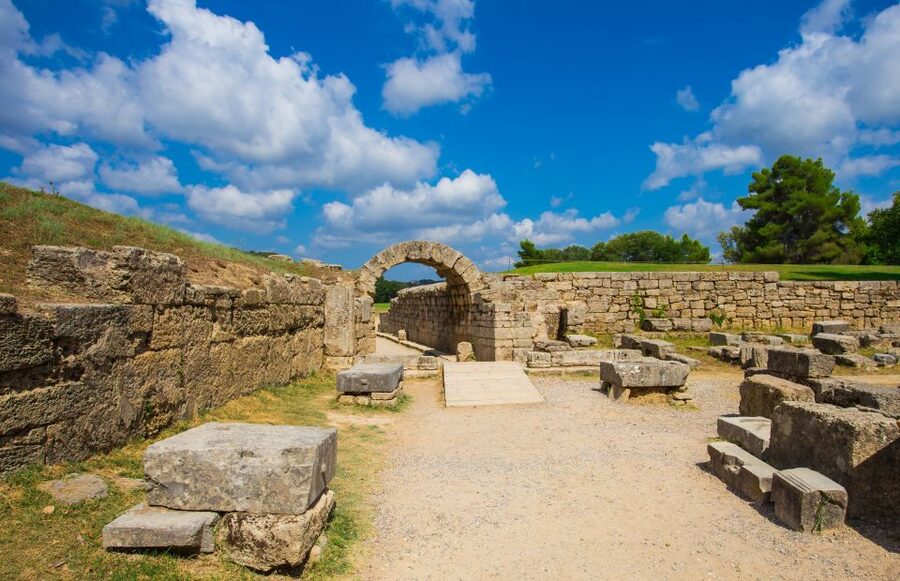
Epidaurus is the kind of site where you realize why ancient crowds mattered. You tour the ancient theater, famous for outstanding acoustics, and even if you do not do any special demos, the scale and the shape of the seating make it easier to imagine performances carrying across stone.
I love using Epidaurus as the “reset” before Mycenae. This is not about royal tombs or temple ruins yet. It is about public space, art, and craft, and it helps you understand that classical Greece was not only wars and kings.
One practical tip if you care about photos: take them early and often. A guide-led pass can be fast, and later on you will probably want to keep moving instead of backtracking for the shot you missed.
Nafplion and the plain of Argos: a human break in between big ruins
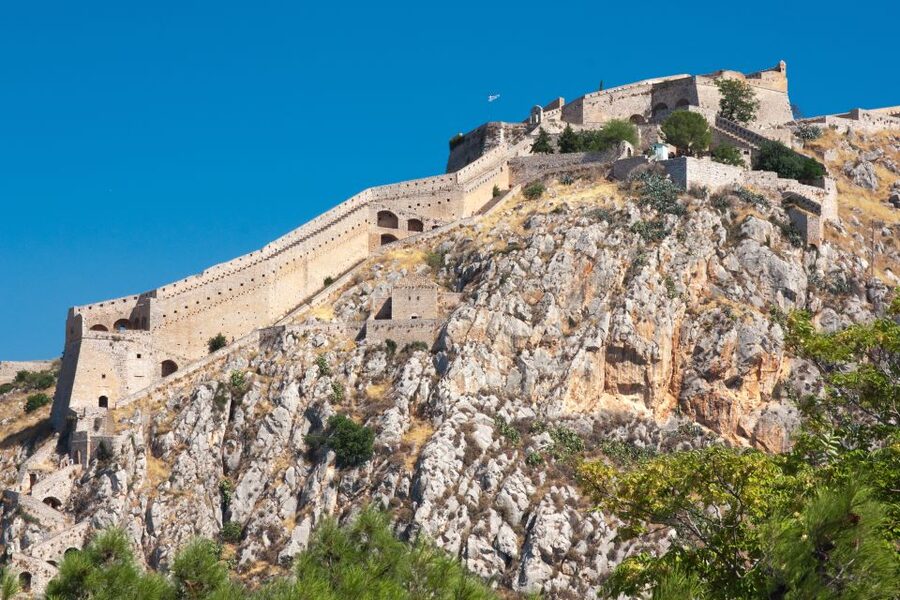
After Epidaurus, you continue toward Nafplion, described as a former capital of the First Hellenic Republic. Even if your time there is brief, it is a palate cleanser from stone-on-stone archaeology.
Then the drive threads through the plain of Argos. It is the kind of stretch that makes the region feel alive, not just like a list of ruins. And those short breaks matter. You are dealing with long days of standing and sun exposure, so any moment to move your legs or buy a snack can save your energy for the big hits later.
More days around Athens:
- Athens: Acropolis & up to 5 Archaeological Sites Combo Pass
★ 4.2 · 13,904 reviews - Athens: Acropolis Ticket with Optional Audio or Live Guide
★ 4.2 · 11,055 reviews - Athens: Acropolis, Parthenon & Acropolis Museum Guided Tour
★ 4.8 · 9,316 reviews - The Acropolis, Parthenon & Acropolis Museum Guided Tour
★ 4.7 · 8,493 reviews
Mycenae citadel and the Tomb of Agamemnon: where myth meets heavy stones
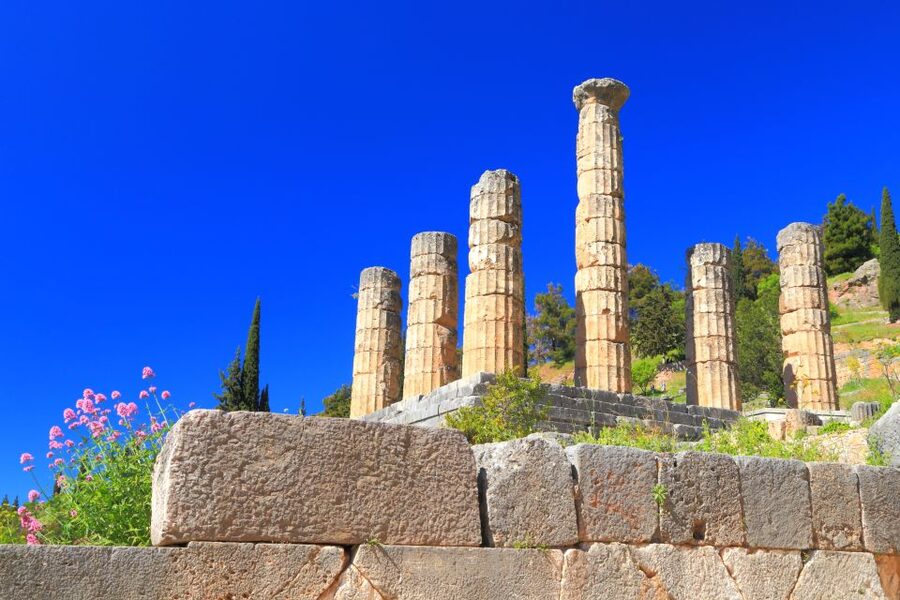
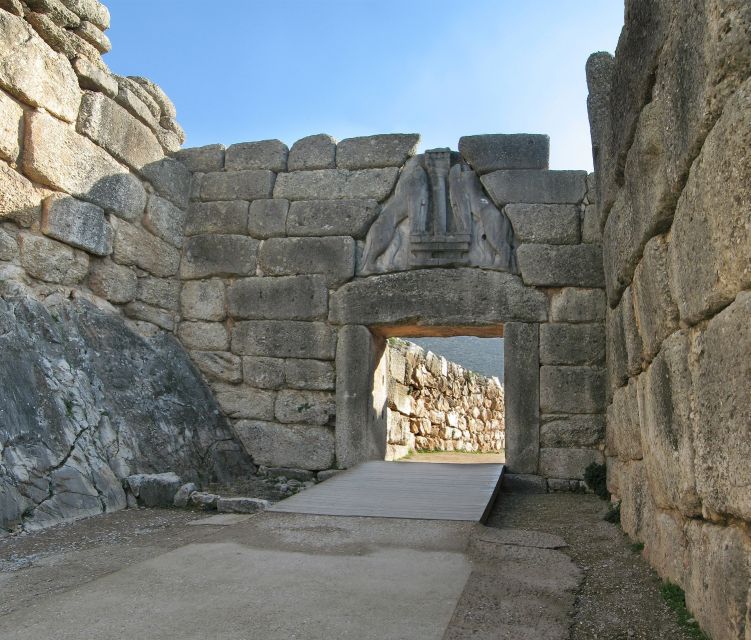
Mycenae is where the trip turns from theater and town stops into royal power. You visit the ruins of the citadel and the Tomb of Agamemnon, and the key here is how the guide frames the site.
I like that the narration often does not treat Mycenae as an isolated artifact. Guides such as Christine, Maria Anna, and Dimitris have a reputation for connecting the landscape and ruins to the stories people told, which helps you interpret what you are seeing instead of staring at piles of rock wondering what matters.
Also, Mycenae is one of those sites where your imagination does the heavy lifting. Even when the stones look scattered, you can still read the layout, defensive positioning, and monument scale if someone gives you the right “look here, then look there” cues. If you want a deeper feel, plan to slow down during any free minutes and circle the area, even if it feels repetitive. You will notice more than you think.
Olympia: temples, stadium remains, and the altar of the Olympic flame
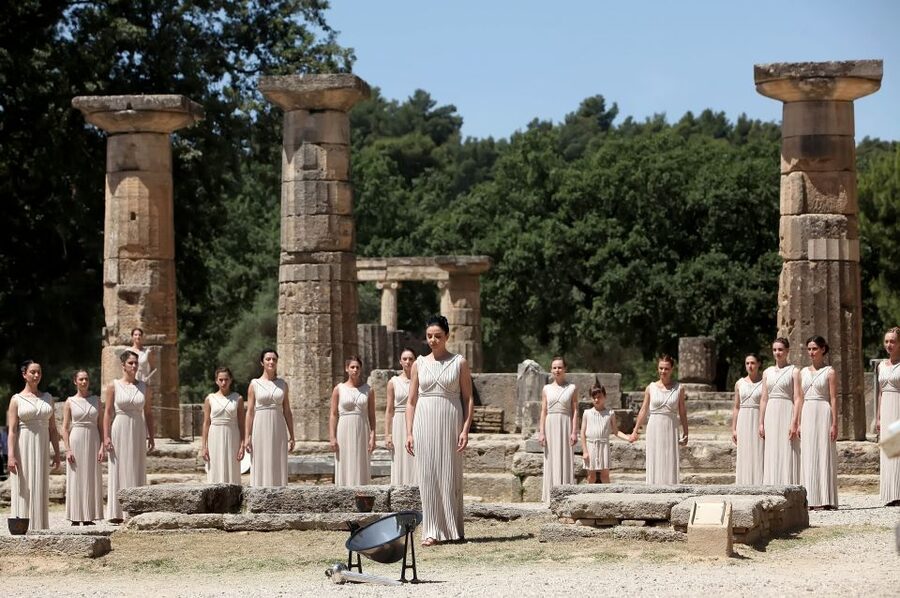
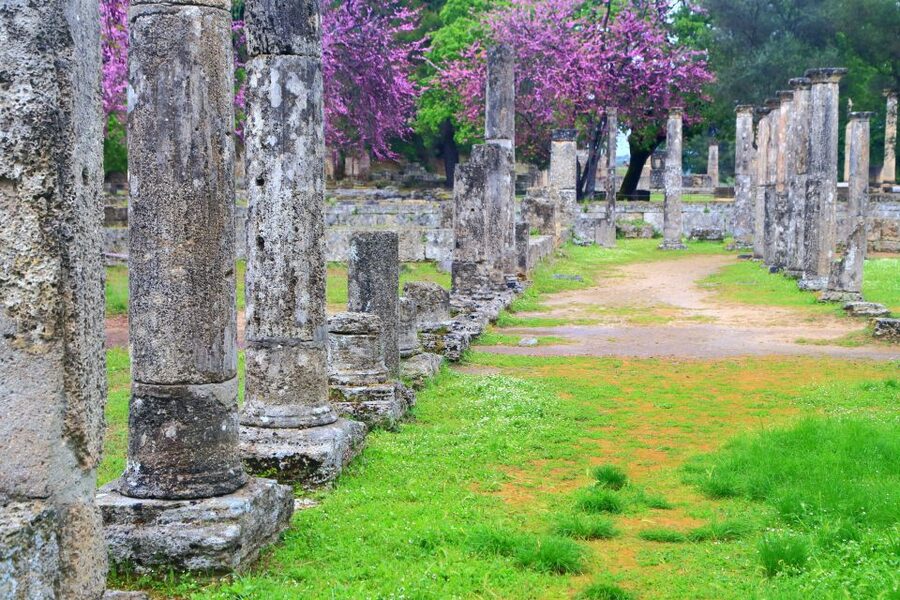
Olympia is the birthplace of the Olympic Games, and the site is sacred in a different way than many other ruins. You see Doric columns connected to the temples of Zeus and Hera, then you move through remains of the stadium, which makes the idea of athletic competition feel physical.
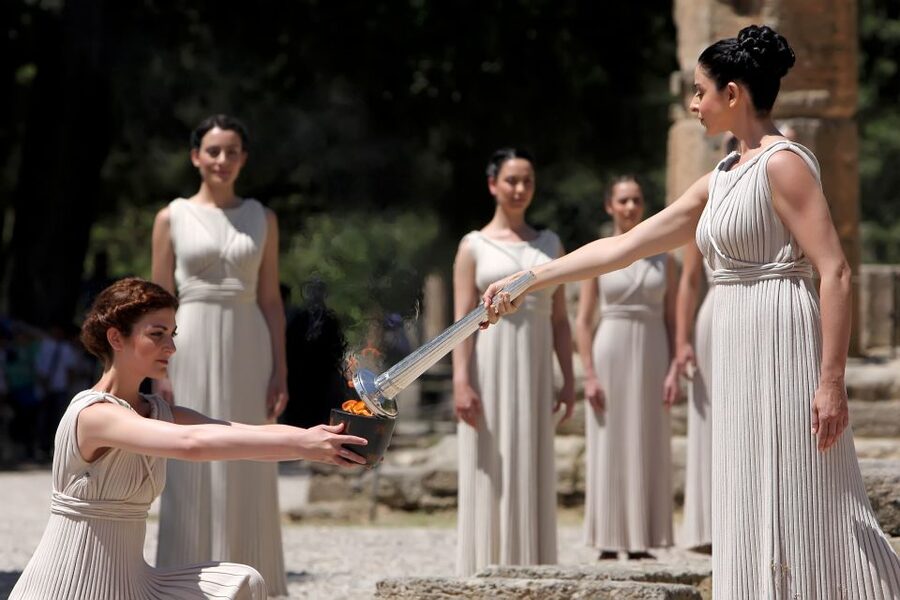
What really seals Olympia is the altar of the Olympic flame. It is a symbolic anchor that makes the ancient ritual easier to picture, even if the modern Games are what many people know first.
A big reason I like this tour stop is timing and pacing with the museum. You get access to the Archaeological Museum of Olympia, located directly opposite the ruins and filled with excavated artifacts. That pairing helps you understand what you would otherwise miss when you are staring only at foundations and fragments.
In hot weather, Olympia can be a sun test. One practical strategy I picked up is to use real sun gear, not just hope for clouds: a big hat, sunglasses, and an umbrella can make guided walking far more tolerable. If you get the chance to find shade during explanations, take it. You will feel it later when you are still walking around.
Corinth Bay crossing, Nafpaktos harbor, and arriving in Delphi the scenic way
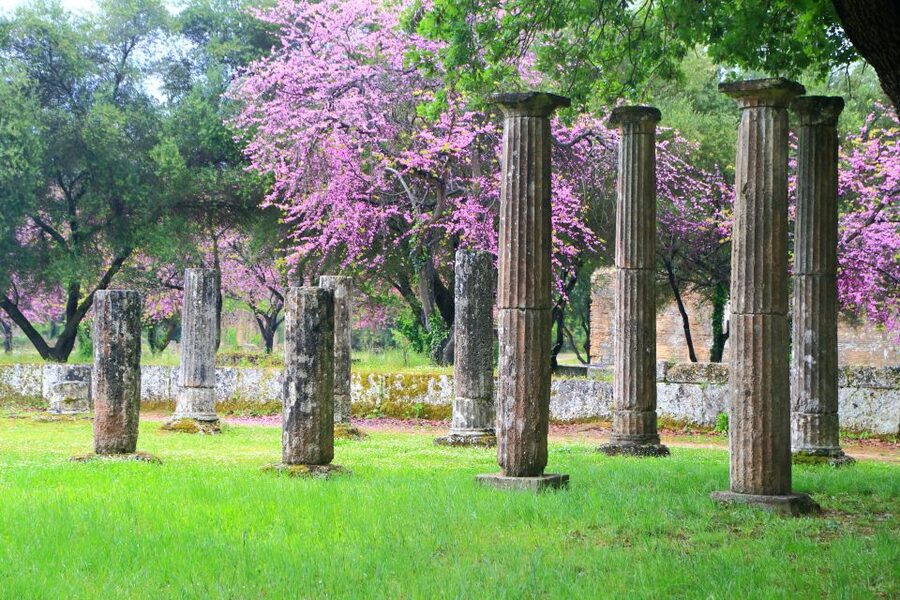
After Olympia, you head to Rion and cross the Corinthian Bay via the new bridge to Antirion. This is one of those moments where a transit segment becomes a view stop. Even if you are mainly focused on ruins, it helps to have a “reset” moment between intense sites.
Then the route follows a coastal road with a stop in Nafpaktos, described as a charming harbor town. That is a smart break because Delphi comes with its own rhythm, more mountainous and more spread across levels and viewpoints.
In the afternoon, you visit Arachova, a mountain village on the slopes of the Parnassus Mountains. This is more than a sightseeing label. It gives you a feel for where ancient worship land meets modern mountain life, and it helps you shift your mindset from “ruins are objects” to “ruins are surrounded by living towns.”
Delphi: Apollo, the Oracle, the theater, and views you feel in your legs
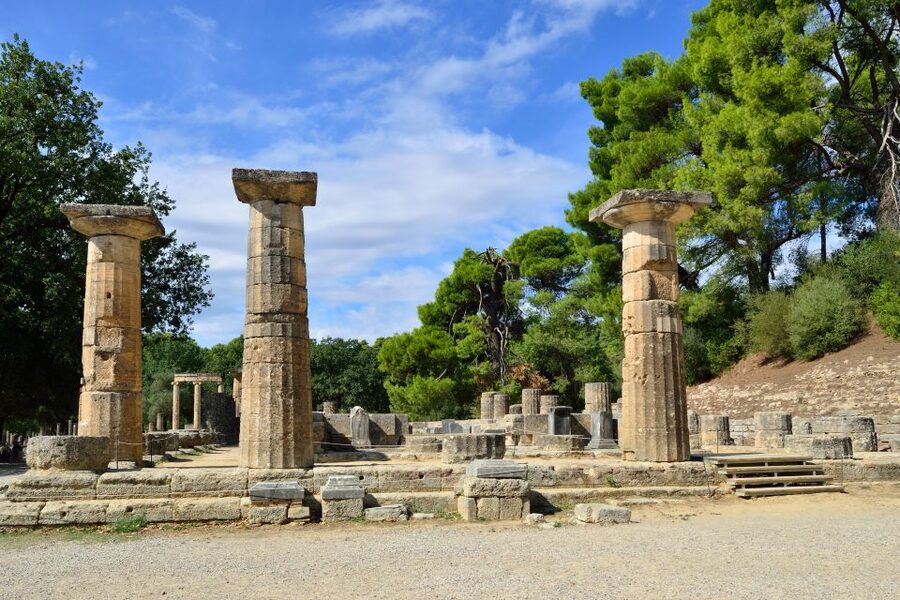
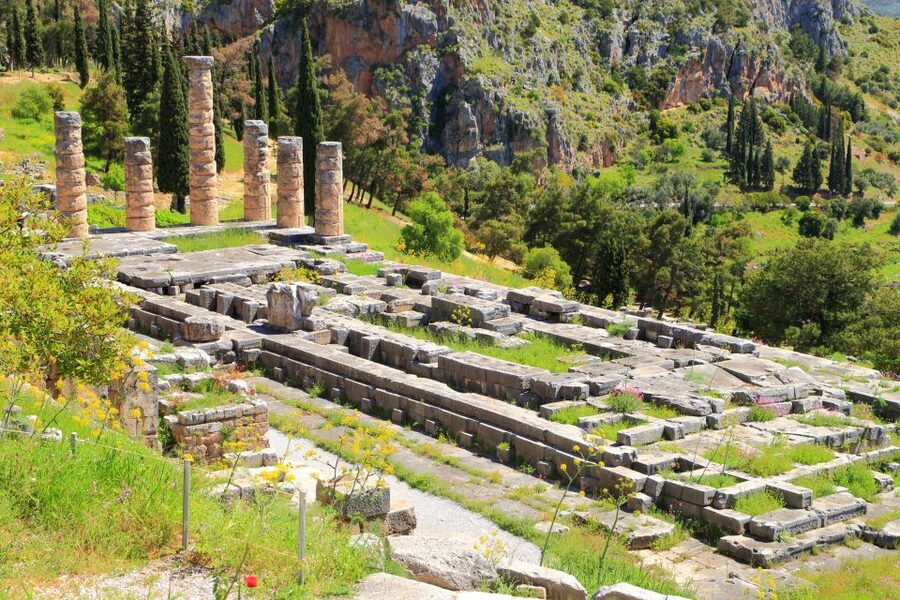
Delphi’s setting is part of the experience. The archaeological site sits high on the Parnassus Mountains, and you can feel that sense of elevation as you look out over the valley and surrounding terrain.
You tour the temple dedicated to Apollo and learn about the Oracle of Delphi, known in myth and history as a place where people sought guidance. The guide explanation matters a lot here. Without a story thread, Oracle sites can feel like generic temple remnants. With the right framing, you start to understand why Delphi became the center of the ancient world.
Then you move to the theater, where up to 5,000 spectators could watch plays, poetry readings, and festivals. It is another reminder that Greek culture was public and shared, not only private belief.
Finally, you get the Archaeological Museum at Delphi, where you can see an impressive collection of artifacts and relics tied to the site. This is where many people find the “how did it all look” answers. When you have museum objects next to your memory of foundations and statues, the ruins stop being random. They become a setting.
If you are a photographer, Delphi is where you will want to pace yourself. The views are great, and the temptation is to shoot constantly. But the best photos often come after you stand still and watch, then frame the same view again from a slightly different angle.
Museums that make the route click: Olympia and Delphi side-by-side
Olympia and Delphi both benefit from a museum you can walk through right after you see the outdoors. In a single trip, that is the strongest learning boost you can ask for.
At Olympia, the museum sits directly opposite the ruins and is filled with excavated artifacts. At Delphi, the museum is tied to the site and helps connect the Apollo temple, Oracle stories, and the theater experience to physical finds.
I like tours that do this because it reduces guesswork. You spend less time wondering what fragments used to represent and more time noticing patterns, styles, and scale.
Hotels and meals: what you actually get with breakfast and dinner included
You stay in 3-star or 4-star hotels depending on the selected option. Dinners and breakfast are included, which is not a small detail. When you are returning late, you do not want to hunt for food on your own.
Service quality seems to vary by specific property, but when the hotels work well, they make the whole trip easier to enjoy. One report highlighted an exceptional first hotel in Olympia, with rooftop dining that helped after a long day. Another mentioned the Delphi hotel can be subpar, so this is not a guarantee of the same experience for every departure.
Meal-wise, included dinners matter, and the good news is the tour can sometimes handle special diets. One traveler noted gluten-free needs were accommodated at food stops. If you have celiac or another requirement, tell the operator ahead of time so they have a chance to plan.
Also, lunch is not included. You will have chances to buy lunch or snacks during stops, and those breaks can be where you recharge without feeling guilty about wasting time.
Price and value for $506: what you are paying for, and what costs extra
At $506 per person for 3 days, you are paying for four things that are hard to replicate cheaply on your own: a guide, entrance fees, guided museum access, and long-distance bus transfers between sites that are spread across the Peloponnese.
You are also paying for reduced friction. If you tried to do Epidaurus, Mycenae, Olympia, and Delphi in three days independently, you would still need transportation, tickets, and a lot of planning. Even if you saved a bit on the ticket price, you would likely spend the time budget on logistics instead of understanding what you see.
Costs you should plan for:
- Drinks, lunch, and personal expenses are not included.
- Hotel tax is extra, paid directly to the hotel: €5 per room per night for 3-star hotels, €10 for 4-star hotels.
- Single travelers do not get a single room automatically. Each booking is tied to a double or triple room, and a single-room stay requires a separate booking for one person.
So the value equation is simple: this tour is best when you want structure and explanation. If you are the type who prefers independent pacing and you already know the ruins well enough to self-narrate, you might not feel the same payoff.
Heat, crowds, and pace: how to make the days feel easier
This tour stacks major open-air sites with guided time, which is why timing and gear matter.
In particular, Olympia and Delphi can involve longer stretches in strong sun. Bring the basics: a hat, sunglasses, and something that can shield you during walking. People also recommend packing an umbrella when it is hot, since it can be used for breaks between shaded moments.
Pace-wise, this is not a slow stroll tour. It is more like a guided sprint with breaks. A few points to help you enjoy it:
- Do not plan extra sightseeing on the “arrival” evening back to your hotel. You will be tired.
- Use the free exploration time to rest too. Sit down when you can. Even 10 minutes can refresh you.
- Take pictures as you go. There is often not enough time to return to a spot for a second pass.
Crowd factor matters at major sites. Mycenae and Delphi can feel busier depending on how groups overlap, so if you hate feeling packed, aim for the early parts of your time window, then move slowly when the guide is done with the first orientation.
Should you book this 3-day Athens Peloponnese archaeological sites tour?
I think you should book if you want a guided overview that connects the myths and the monuments, and you do not want to wrestle with logistics across multiple regions. The biggest strength here is how the guide approach can make the ruins feel like stories instead of stone piles, and the museum stops at Olympia and Delphi do a lot of work for you.
You might skip or adjust expectations if you are very heat-sensitive, dislike structured group days, or need long unbroken downtime. Also, since the tour is not suitable for wheelchair users, you will need a different format if mobility access is required.
If your goal is to see the headline ancient Greek sites with a clear narrative, this is a good value way to do it in three days, and it keeps your energy pointed at the places that matter.
FAQ
What sites are covered on this 3-day tour from Athens?
You visit Epidaurus (ancient theater), Nafplia (short stop), Mycenae (citadel and the Tomb of Agamemnon), Olympia (temples, stadium remains, and the altar of the Olympic flame), and Delphi (Apollo temple, Oracle area, theater, and Delphi archaeological museum). You also stop in places like Tripolis, Megalopolis, Nafpaktos, and the mountain village of Arachova.
How much does the tour cost?
The price is listed as $506 per person for the 3-day tour.
What is included in the price?
Included are a live English guide, accommodation in a 3-star or 4-star hotel (based on your selected option), entrance fees, luxury air-conditioned bus transfers, and breakfast and dinner.
What is not included?
Drinks, lunch, personal expenses, and the hotel tax are not included.
Is hotel tax included?
No. A hotel accommodation tax is applied and is paid directly to the hotel: €10 per room per night for 4-star hotels and €5 per room per night for 3-star hotels.
Do I get pickup in Athens?
Yes. Free pickup is available from the majority of centrally located hotels in Athens on request. Pickup is about 1 hour before departure. If you do not want pickup, you can meet at the tour supplier’s office 15 minutes before departure.
Is this tour wheelchair accessible?
No, it is not suitable for wheelchair users.
Just reviewed around Athens
- Athens Highlights: Myths & Philosophers Walking Tour★ 5.0 · 125 reviews
- Sounio Sea Kayak Tour to the Temple of Poseidon full program★ 5.0 · 126 reviews
- Athens Half-Day Tour: Acropolis, Parthenon & All Major Landmarks★ 5.0 · 127 reviews
- First Access Acropolis Tour, Beat the Crowds, Enjoy the Parthenon★ 5.0 · 128 reviews
- Ancient Corinth, Mycenae, Epidaurus, Nafplio full day private tour from Athens★ 5.0 · 130 reviews
- Athens Cooking Class and Lunch in our beautiful garden in Greece★ 5.0 · 130 reviews
- Athens Highlights by E-Bike: Small-Group Historic Tour★ 5.0 · 131 reviews
- Athens Shore Excursion: Acropolis Walking Tour★ 4.5 · 131 reviews
Athens Tours, compared.
Acropolis & up to 5 Archaeological Sites Combo Pass
Read our review →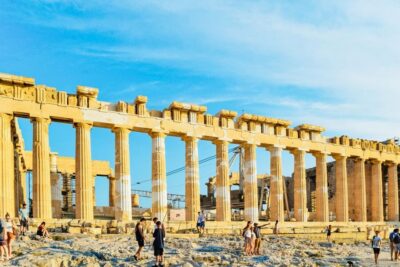
Acropolis Ticket with Optional Audio or Live Guide
Read our review →
Acropolis, Parthenon & Acropolis Museum Guided Tour
Read our review →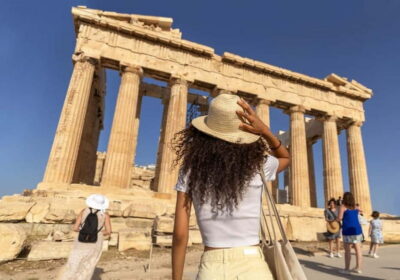
The Acropolis, Parthenon & Acropolis Museum Guided Tour
Read our review →
Cape Sounion & Poseidon Temple Sunset Half-Day Trip
Read our review →
Acropolis: Premium Acropolis and Parthenon Guided Tour
Read our review →
Mythology of Delphi, Museum and Arachova Guided Tour
Read our review →