
Reviewed · LASITHI PLATEAU TOURS
Crete: Lassithi Plateau & Kera Monastery Tour with Ceramics
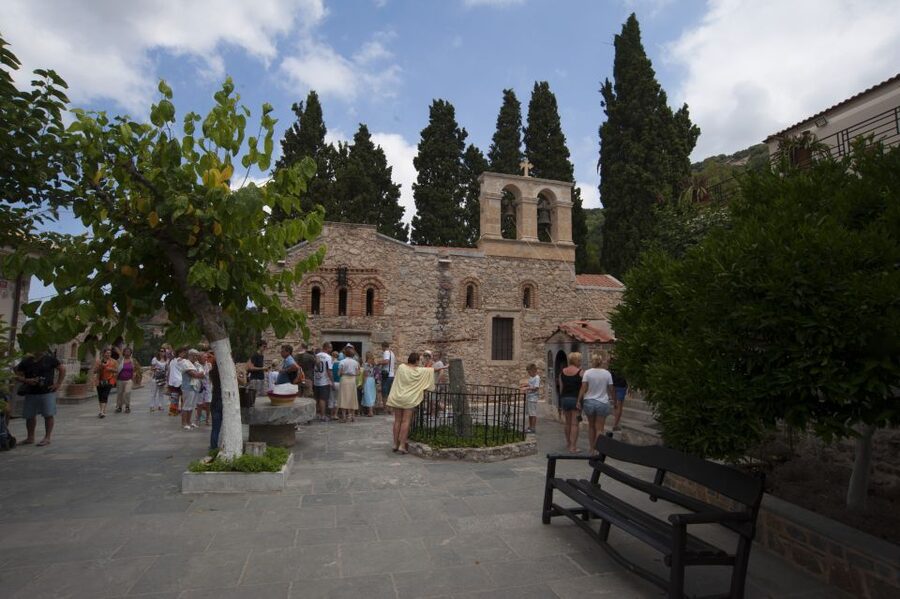
This is one of those Crete trips where the scenery keeps changing every hour, from church frescoes to high-altitude villages. I especially like the Panagia Kera Kardiotissa Monastery stop, with its nuns, old icons, and calm mountain setting. I also like the chance to see the Lassithi Plateau in real life, not just as a name, with working villages, windmills, and Venetian water channels.
One possible drawback: it is a long day and it involves walking. The viewpoints and cave-side paths can be steep, so you will want comfortable shoes and a bit of stamina.
Key takeaways before you go
- Kera Monastery icons with strong Byzantine flavor, including frescoes and the famous Virgin Mary icon.
- Lassithi Plateau at over 800 meters where people still live in a ring of villages around the Dikti Mountains.
- Old windmills photo moment where the bus cannot stop, but you get slow, photo-friendly viewing.
- Psychro ceramics workshop where handmade pottery is more than a souvenir stop.
- Tzermiado for the lunch and village feel at the plateau’s main hub.
Heraklion area to the mountains, the 10-hour reality check
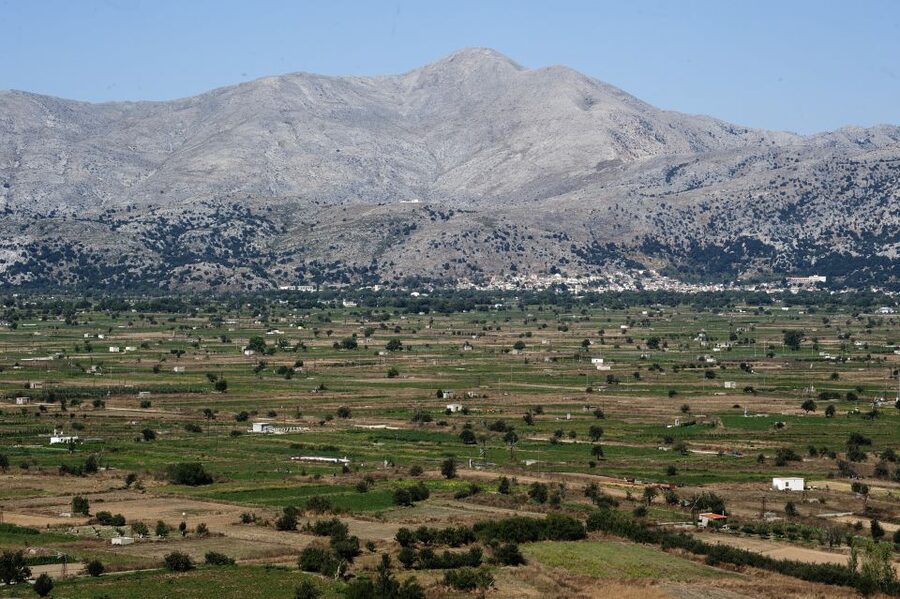
This tour is built for a full day, and Crete travel time is part of the experience. You start with pickup around the Heraklion region and many resort areas, then you settle into a modern, air-conditioned coach as the roads climb into the Dikti mountain country. Expect a long stretch of country driving, because the island does not run on highways like you may be used to. Even when everything goes well, regulation speeds and traffic can stretch the schedule.
What I like about this setup is that it gives you variety without you needing a rental car or a map study session. What you should plan for is that your “tour time” is not just sightseeing, it is also transportation. If you are the type who gets cranky when the day runs late, build in patience, especially at busy pickup points.
Also, this is not a sit-on-a-terrace kind of day. Between plateau walking, monastery time, and any cave-side steps you choose to tackle, you will want to move your body. Bring cash and wear shoes you do not mind getting a little dusty.
More of the Lasithi Plateau:
- Knossos-Zeus Cave -Old Traditional Villages-Olive Oil Factory
★ 5.0 · 694 reviews - Lassithi, Zeus Cave, Olive Mill Farm & Knossos Combo Tour
★ 4.6 · 404 reviews - Knossos & Lasithi Plateau: Zeus Cave,Villages, Olive Oil Tour
★ 5.0 · 328 reviews
Panagia Kera Kardiotissa Monastery: icons, nuns, and a peaceful chapel feel
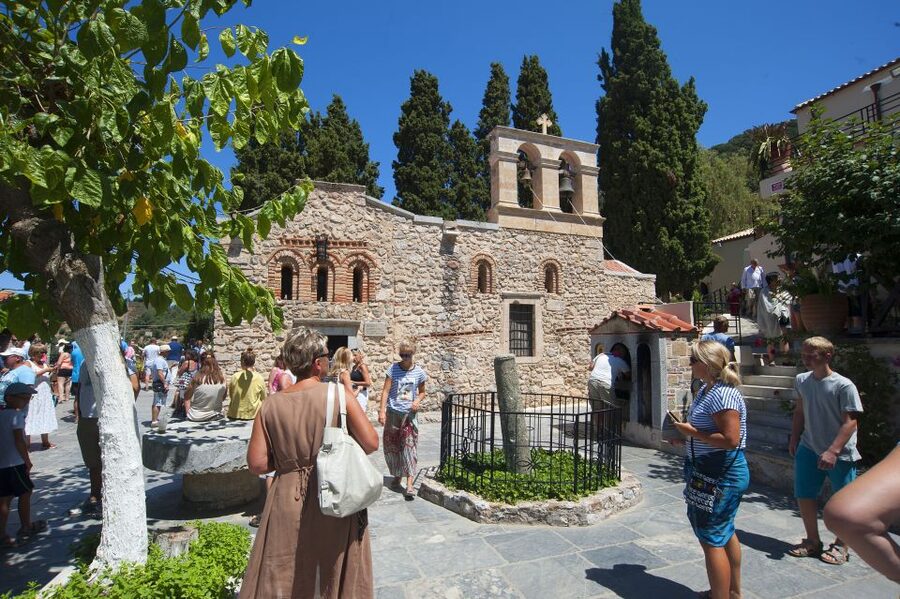
The monastery visit is one of the most memorable parts because it feels human and still. You head to Panagia Kera Kardiotissa Monastery, a hillside setting run by nuns, where visitors can admire a miraculous Virgin Mary icon and also see frescoes and other icons dating back to the 14th century.
Here is what makes it worth your time: the monastery is not just about seeing an old building. You get a chance to step into a quieter rhythm, listen to the guide’s explanations, and look closely at religious art up close. In practice, that means your camera gets used, but so do your eyes.
You should also know that this is a site with its own rules and atmosphere. You will likely spend about 50 minutes there, with guided context and time to look around. Since entrance fees are not included, budget a little extra if you plan to enter fully.
Lassithi Plateau villages and the windmills you can actually photograph
Next comes the plateau, one of those places that feels like it escaped modern time. The Lassithi Plateau sits above 800 meters and is surrounded by the Dikti Mountains. It is one of the few parts of the Mediterranean where people still live at this altitude, and that matters, because it keeps the area from turning into a theme park.
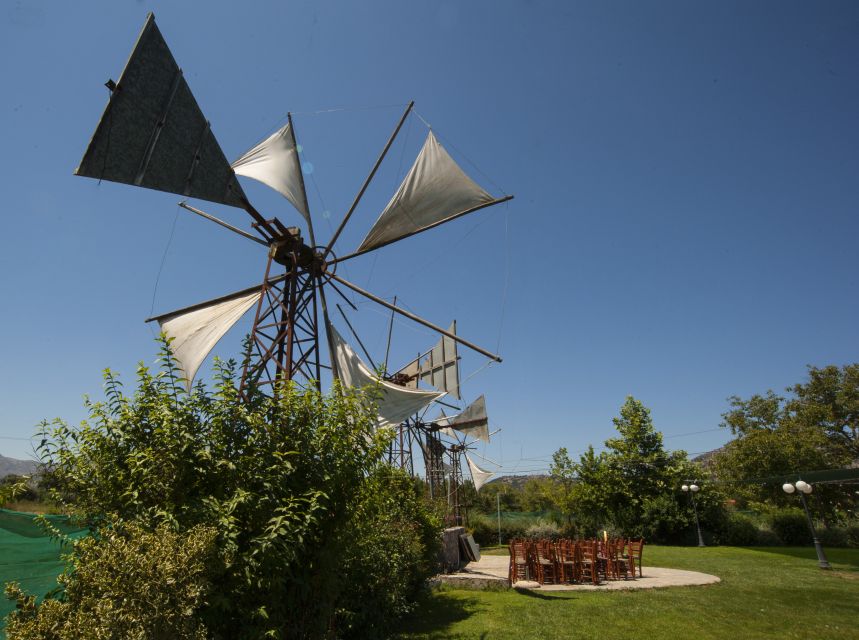
You will see familiar elements right away: the windmills and the old water-drainage system often linked to Venetian engineering. The plateau also has villages that feel old-school in layout and architecture, and you get a quick guided look and some shopping time connected to crafts.
One detail to plan around: at the peak near the older Minoan windmills, the bus is not allowed to stop. The fix is simple, the driver takes it slowly so you can take photos from your seat or on a quick glance while passing. It is not perfect like a parking-lot stop, but it is workable if you keep your camera ready and do not wait for the bus to pull over.
Also, there is a village stop along the way at Psychro, and that is where the day starts to turn from “big nature views” into “hands-on local culture.”
Psychro and the ceramics workshop in the Zeus birthplace setting
Psychro is known for Zeus birthplace lore, and even if you are not tracking every myth detail, the setting helps the story land. The village sits in the plateau orbit, and the vibe is practical and local, not just sightseeing.
The best part for most people here is the ceramics angle. Psychro has a reputation for handmade ceramics, and the tour includes a visit to a traditional pottery workshop. This is one of those stops where you can get more than a glance at finished items. In real time, you get to watch how pieces are made, and in some cases you can make your own small piece that becomes a souvenir. You may also spot pottery that matches the village’s craft traditions, including the kind of cup shapes locals used for everyday life.
Why this stop is valuable: it gives you an actual skill behind the product. Crete souvenirs are often beautiful, but ceramics add a story you can talk about later, especially when you understand how hands shape clay, not just how a shop labels it.
If you want a keepsake, keep room in your bag. Handmade items can be heavier and more fragile than you expect.
More days around Heraklion:
- Heraklion: Dia Island Sailboat Cruise with Swimming and Meal
★ 4.8 · 2,579 reviews - Heraklion Area: CRETAquarium Admission Ticket
★ 4.4 · 2,055 reviews - Crete: Palace of Knossos E-Ticket and Audio Guide
★ 3.8 · 1,540 reviews - Agia Pelagia Crete Quad Bike authentic backland Tour
★ 4.9 · 1,430 reviews
Tzermiado lunch and plateau time, not just a rushed meal
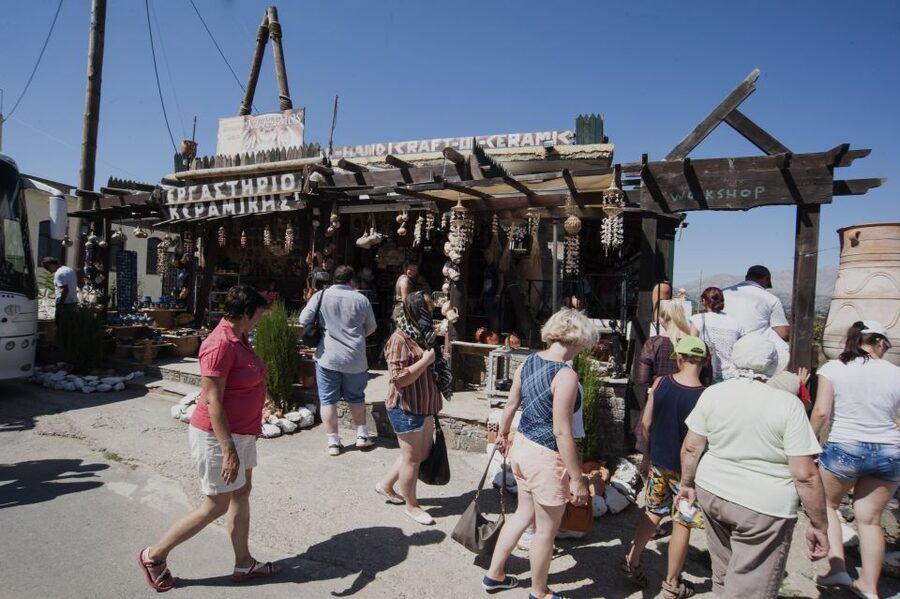
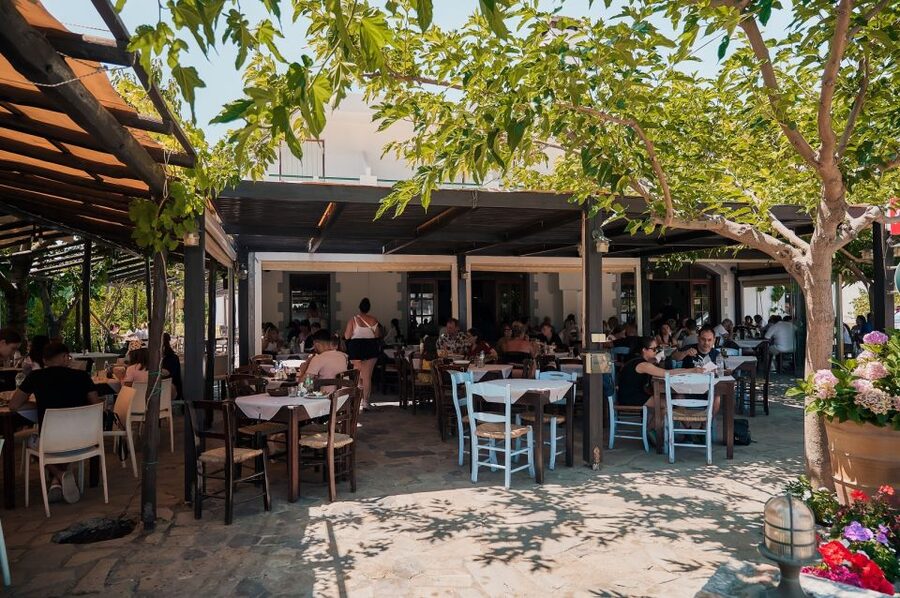
Your last big plateau pause is Tzermiado, often described as the biggest and oldest village on the Lassithi Plateau, basically the plateau’s capital. This is where the day slows just enough for you to enjoy the place instead of sprinting between points.
You get traditional village architecture, wide views, and a chance to reset with time for photos and a proper lunch. The schedule typically includes free time, so you can linger a bit in the center and enjoy the atmosphere.
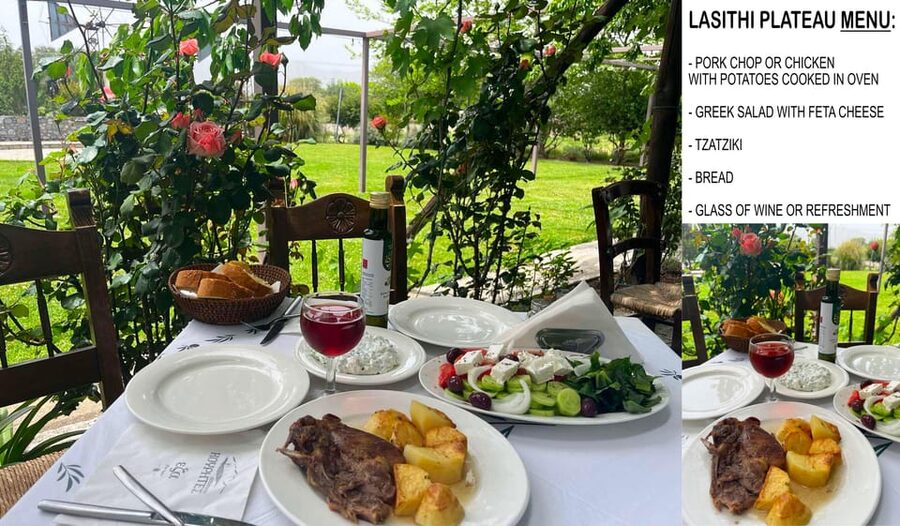
Lunch has two different layers on this kind of tour day. One is the general plan, you eat at a local tavern in Tzermiado. The other layer is an optional set lunch menu that can be paid separately, listed at 14 euros. That menu includes pork chop or chicken with oven-baked potatoes, Greek salad with feta, tzatziki, bread, and a glass of wine or a non-alcoholic drink. You do not have to treat it as the only option, but you should expect that lunch choices may be limited by the tour’s timing.
From a practical standpoint, I recommend planning your eating like this: if you have dietary needs, decide early. The day is structured, and at the end you may not have the freedom to wander far for alternatives.
The steep side of Zeus cave country, and how to make it easier
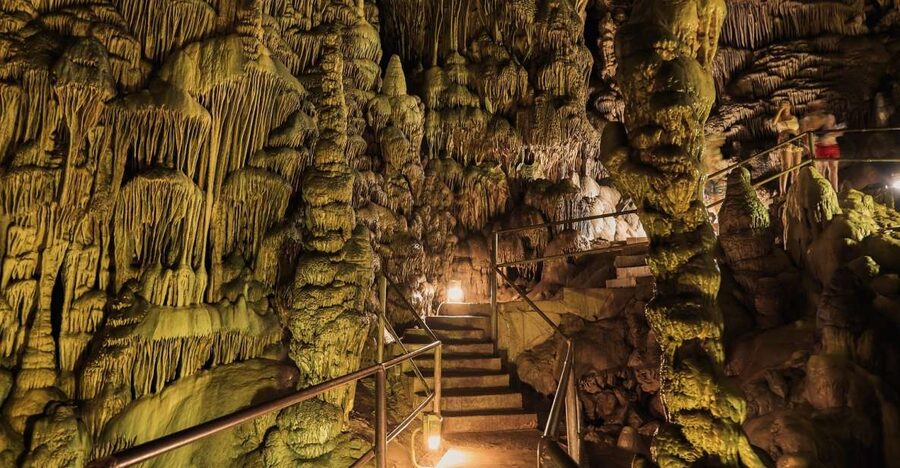
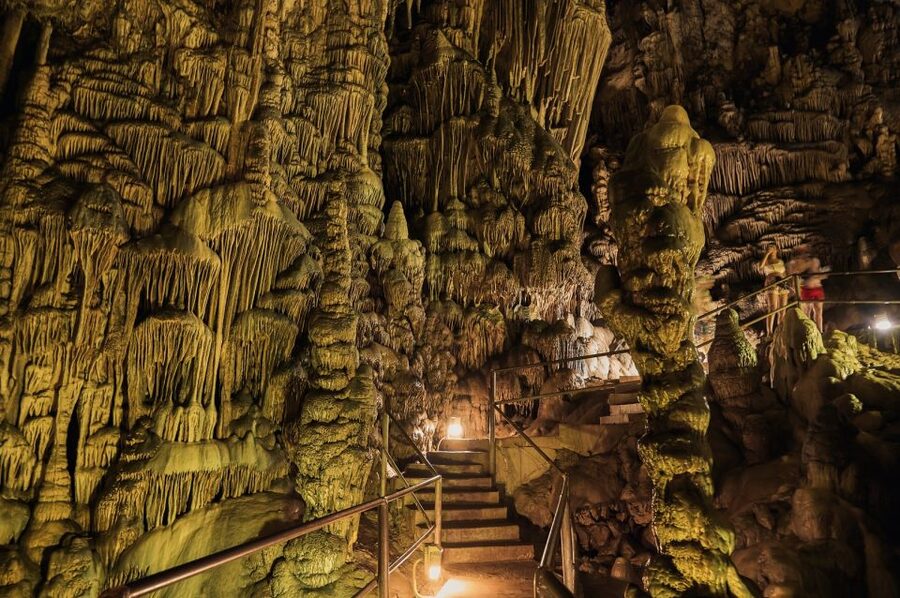
Even though the plateau is the headline, the mountain-day feel often includes time near the Dikti or Zeus cave area, and that is where the physical reality shows up. Many people face a steep walk from the parking area to the cave. One important detail you should take seriously is the time and effort. If it is hot, it is a workout, not a stroll.
You have a couple of ways to handle it. There is an option to ride a donkey for a fee of €10 each way. If you are traveling with kids or anyone who has trouble with steep steps, that donkey option can turn the cave visit from “maybe” into “yes.”
Also, cave conditions can shape the experience. Paths can be busy, and you might feel time pressure to keep moving with the group. If you want to linger, bring your focus and accept that the tour timeline may keep you moving. The upside is that cave space can be genuinely impressive, the kind of place where the scale hits you once you step inside.
Bottom line: if you are fit and curious, you will probably love it. If stairs and heat are a no-go, you can still enjoy the rest of the day without forcing the cave walk.
Price and value: what $44 really covers, and what costs extra
At $44 per person, this is one of the more budget-friendly ways to see the Lassithi Plateau area from the Heraklion side. The value comes from three big parts: pickup and drop-off, air-conditioned transportation, and a guide who explains the myths, local culture, and the sites you stop at.
But you should also know what is not included, because that is how you estimate the real cost:
- Kera Monastery entrance is not included.
- Lunch and drinks are not included as part of the base price.
- There is an optional 14 euro lunch menu available for the plateau portion.
Once you add those, plus any optional donkey ride if you do it, the total can be meaningfully higher than $44. Still, for a full day with guided stops and transport, it often lands in a reasonable range, especially if you are not renting a car and paying for parking and fuel.
Where you really get your money’s worth is the mix. You are not just looking at views. You are stepping into a working monastery, seeing a plateau with actual villages, and getting a craft workshop that produces something you can take home.
Who should book this, and who should choose a different day
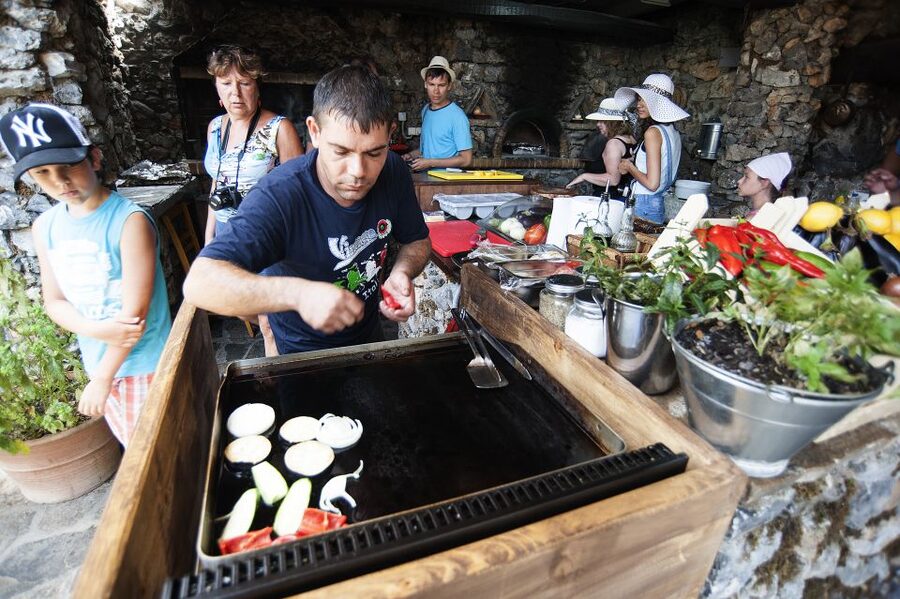
This tour fits best if you want a structured day that covers multiple “Crete icons” without the stress of driving. I think it is a strong match for:
- People staying in the Heraklion region who want a full day out of town
- Travelers who like religious art, myths, and places tied to storytelling
- Anyone who enjoys local crafts and wants more than a photo stop
It is not for everyone. The tour is listed as not suitable for people with mobility impairments. That makes sense once you consider steep paths, steps, and the overall pace of a guided day in mountain villages and cave country.
If you are okay with walking but want an easier day, do what smart hikers do. Pace yourself. Do the monastery slowly. On the cave approach, decide early whether to walk or use the donkey option based on how your body feels.
Should you book this Crete tour?
If you want a day that combines Kera Monastery, the Lassithi Plateau villages, and a ceramics workshop, I would book it. The structure helps, the views are genuinely part of why this route works, and the pottery stop gives you a souvenir with real meaning.
Skip it or choose another option if you cannot handle steep walking and stairs, or if you prefer total flexibility for meals. This is a schedule-driven day, so you should be comfortable with moving as the group moves.
If you go, go prepared: comfortable shoes, some cash, and a calm attitude toward mountain roads and a busy day. Then you will get a lot more than a checklist. You will see how myths, faith, and everyday village life connect at altitude in Crete.
FAQ
What is the duration of the tour?
The tour lasts 10 hours.
How much does the tour cost?
The price is listed at $44 per person.
Where does pickup and drop-off happen?
Pickup and drop-off are included from the main road, partly from the exit of hotels in areas such as Sissi, Malia, Stalis, Stalida, Hersonissos, Analipsi, Anissaras, Gouves, Gournes, Kokkini Hani, Karteros, Heraklion, Ammoudara Beach, Agia Pelagia, and Lygaria, with multiple options across the Heraklion region.
What languages is the guide available in?
The live tour guide operates in English, French, and German.
Is lunch included?
Lunch and drinks are not included in the base price. There is an optional 14 euro menu available.
Is the Kera Monastery entrance fee included?
No, the entrance to Kera Monastery is not included.
Is there an optional food menu for the plateau?
Yes. An optional 14 euro menu is listed, including pork chop or chicken with potatoes cooked in the oven, Greek salad with feta cheese, tzatziki, bread, and a glass of wine or a non-alcoholic drink.
What should I bring with me?
Bring comfortable shoes and cash.
Is the tour suitable for mobility impairments?
No, the tour is not suitable for people with mobility impairments.
Are pets allowed on the tour?
No, pets are not allowed.
Just reviewed around Heraklion
- Malia: Off-Road Quad Safari Evening Tour / optional transfer★ 4.8 · 125 reviews
- Crete: Knossos Palace and Museum E-Tickets with Audio Guides★ 4.0 · 126 reviews
- Heraklion: Knossos Zeus Cave Villages Olive Oil Factory Tour★ 5.0 · 126 reviews
- Malia: Booze Cruise Boat Party with Live Dj★ 3.8 · 127 reviews
- Ecobike tour in historic Heraklion★ 5.0 · 134 reviews
- Private Tour-Knossos Palace Zeus Cave Olive Oil Mill & Wine★ 5.0 · 135 reviews
- From Heraklion: Quad Safari Wild Crete Day Tour★ 4.8 · 148 reviews
- From Heraklion: Quad Safari Wild Crete Evening Tour★ 5.0 · 149 reviews
Lasithi Plateau Tours, compared.
Full-Day Small-Group Tour in Crete with Zeus Cave Visit
Read our review →
Lasithi Plateau and Cave of Zeus Off-Road Safari Tour
Read our review →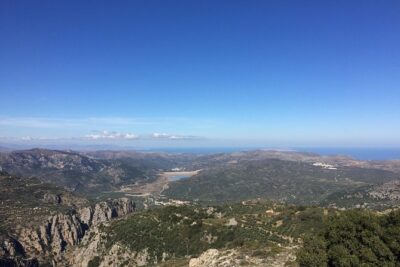
Knossos-Zeus Cave -Old Traditional Villages-Olive Oil Factory
Read our review →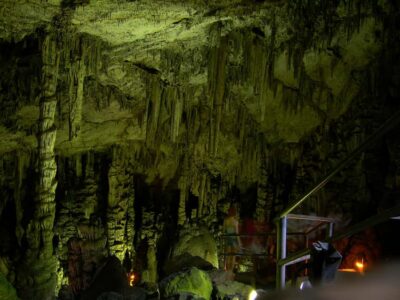
Road-trip to Lasithi, Zeus Cave & Olive Mill Farm
Read our review →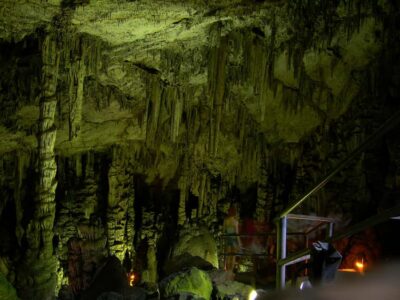
Lassithi, Zeus Cave, Olive Mill Farm & Knossos Combo Tour
Read our review →
Zeus Cave, Lassithi Plateau, Olive Oil Factory, Kritza, Pottery
Read our review →
Knossos & Lasithi Plateau: Zeus Cave,Villages, Olive Oil Tour
Read our review →
Zeus Cave, Lassithi Plateau, and Olive Factory Tour
Read our review →Browse the lists this tour appears in