

Reviewed · METEORA TOURS
Athens: Meteora Monasteries, Hermit Caves Tour with Pickup
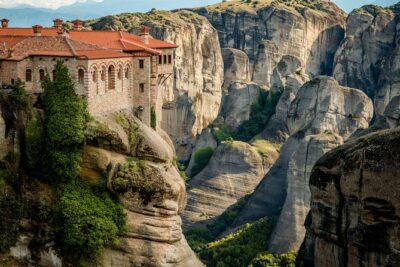
Meteora is one of Greece’s most dramatic spiritual sites, literally perched on rock towers above the plain. This day trip from Athens is interesting because you get the big-picture story of how these monasteries formed and you still have time to take it in at a human pace once you’re there. I like that the day is built around UNESCO monasteries plus the Badovas hermit caves, not just a quick photo stop. I also like the steady rhythm, with breaks on the ride so you are not stuck on a bus the whole day. The main consideration is simple: it is a long day with stairs, and monastery access means you need the right clothing and a moderate fitness level.
Most of the best parts come down to how well the day is organized once you reach Kalambaka. In my view, what makes this tour work is the escort who helps connect the sites, plus the free multilingual audio support inside the monasteries. The one drawback to plan around is the pickup and bus-finding chaos that can happen in Athens if you are not at the exact spot and time stated in your confirmation details.
Key Things I’d Mark on Your Mental Map
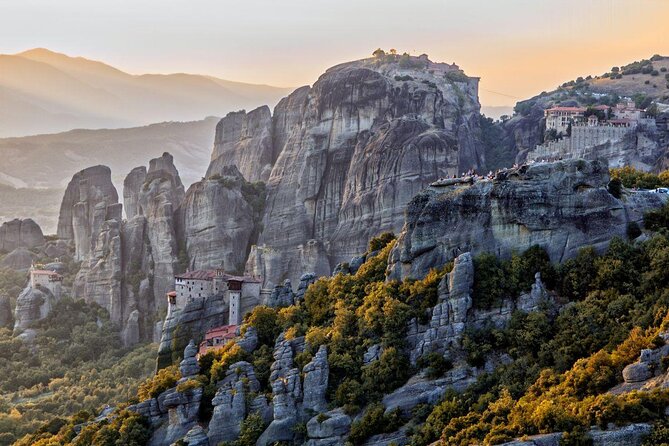
- UNESCO Meteora in one day: You get interior time in multiple monasteries, plus the hermit caves at Badovas.
- Expert escort on site: A local guide helps you move efficiently and understand what you’re looking at.
- Audio guide inside monasteries: Useful context while you walk and look at your own speed.
- Seaside break stops: Road trip stops by the water help break up the long Athens to Kalambaka drive.
- Small-group feel: Max of 45 travelers, so it does not feel like a cattle drive all day.
- Stairs are real: Expect climbs and the option to plan around parking benches if needed.
Why Meteora From Athens Feels Like a Smart Trade
Meteora is the kind of place that rewards slow looking, but most people visiting Athens do not have days to spare. This trip is designed to make the math work: you leave early, you get into the Meteora rock complex with help from your guide, and you still get free time in Kalambaka before you head back.
The real value is that the day is structured for meaning. You are not only seeing buildings. You’re learning how monastic communities took shape on these pillars of rock, and why early hermits lived in cliffside solitude. Even if you are not a church-history person, the scale and the setting make it hard to stay unmoved.
You also get a practical setup for timing. The long Athens to Kalambaka drive is cushioned by food and rest stops, and once you’re in the Meteora area, transportation between sites is handled. That means you spend your energy on stairs, stairs, and more views, instead of figuring out how to get from cliff to cliff on your own.
More of the Meteora monasteries:
- Athens: Meteora Monasteries Day Trip with Caves and Lunch
★ 4.7 · 4,670 reviews - Athens to Meteora: Monasteries, Caves & Seaside Stopovers
★ 4.7 · 2,958 reviews - Athens: Full-Day Meteora Tour with Local Guide & Greek Lunch
★ 4.8 · 2,101 reviews
Price and What Counts as Real Value (Not Just the Sticker)
The tour price is listed at $87.07 per person, and what matters is how that price behaves in the real world.
You are paying for:
- roundtrip transfer between Athens and the Meteora area
- an English-speaking tour leader and local assistance once you reach Kalambaka
- multilingual monastery audio
- visits to the hermit caves at Badovas
- interior access to several monasteries (plus time around the rock formations)
What is not included:
- monastery entrance fees, listed as €5.00 per person per monastery
- some monastery visits are also described as not included, so you might pay more depending on which interiors you access that day
Here is the thing to plan for: monastery entry in Meteora is typically cash-and-carry, and you should bring euros in cash because cards may not be accepted at the entry points. One of the best pieces of advice I can give is to treat the extra € as part of the normal Meteora math, not a surprise.
Is $87 worth it? If you want one-day convenience, you get exactly that. If you are the type who enjoys going fully DIY, you might find cheaper options, but you would need to solve early transportation, site timing, and museum-like pacing on your own. This tour handles most of that coordination for you.
The 7:30 AM Start, Pickup Reality, and How to Prevent a Wasted Day
This trip starts early. You have a departure time listed around 7:30 AM from near Athens Railway Station, and you may also see 7:45 AM tied to St. Larissis as the start location.
Pickup is described as complimentary from selected centrally located hotels, roughly an hour before departure, with confirmation details emailed to you. That sounds easy, until you hit the reality of Athens: meeting points can be confusing, especially when multiple buses are involved.
So do this, and you’ll protect your day:
- Confirm the pickup time and exact pickup pin details in writing
- Be at the meeting point early, not right at the minute
- If you are not picked up as expected, follow the instructions you received, and move to the main meeting location rather than waiting around
A theme from the frustrations people shared is not the Meteora part. It was missing the bus due to pickup mismatch and then hitting a no-refund policy for missed pickup. In other words, double-check your details, arrive early, and keep your phone ready for quick instructions.
Road Trip Stops to Kalambaka: Breakfast by the Sea and Breathing Space
The drive from Athens to the Meteora area takes about five hours, with the tour arriving in Kalambaka around 12:30 PM. That’s a lot of time, so the itinerary builds in a couple of food breaks.
On the way, you stop at:
- Kamena Vourla, for a seaside brunch stop around 30 minutes
Meals are optional here. The stop is positioned to skip the usual busy highway rest areas, and it’s right by the water.
- A Kastraki stop area around 40 minutes
This is where you start getting oriented for the Meteora rock cluster and take advantage of those early photo angles.
What I like about the stop choices is that they are useful, not just scenic. You get a chance to eat something without waiting in a cramped cafeteria line, and you can reset before the stairs and cliff paths start.
What to consider: if you are prone to motion sickness, a long early coach ride might be rough. Bring water, and consider something to keep your energy stable, because the day is long and you will be moving again soon after you arrive.
More days around Athens:
- Athens: Acropolis & up to 5 Archaeological Sites Combo Pass
★ 4.2 · 13,904 reviews - Athens: Acropolis Ticket with Optional Audio or Live Guide
★ 4.2 · 11,055 reviews - Athens: Acropolis, Parthenon & Acropolis Museum Guided Tour
★ 4.8 · 9,316 reviews - The Acropolis, Parthenon & Acropolis Museum Guided Tour
★ 4.7 · 8,493 reviews
Kastraki Setup: Where You Get Your Bearings for the Rock Complex
Kalambaka is the town base for Meteora, and Kastraki sits close enough to feel like part of the same experience. Your local guide meets you after arrival and helps you move between sites.
This segment matters because Meteora can feel chaotic if you are arriving without a plan. Kastraki is the first taste of the rocks, and it helps you calibrate what you are going to climb and what you are going to simply look at from below.
You are also likely to get short photo stops across the rock formations, which are handy because:
- they show you the scale
- they help you recognize monasteries later when you see them from closer viewpoints
- they let you get a few frames without burning your only energy on the first set of stairs
Then the tour turns into the main event, with monastery interiors and the hermit cave section. This is where the guide guidance pays off most.
Varlaam and Great Meteoron Interiors: When the Story Becomes Real
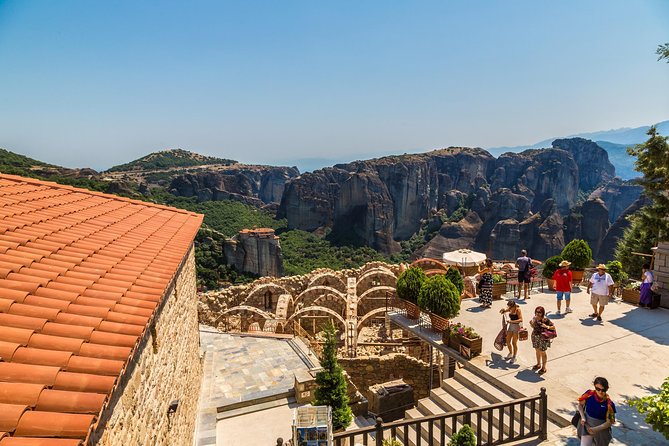
Meteora monasteries are not just old buildings. They are a record of how people organized faith, work, and daily life on precarious terrain. Inside, you get artwork and details that only fully land once you connect them to the site’s history.
Two of the monastery stops to know:
- Varlaam Monastery
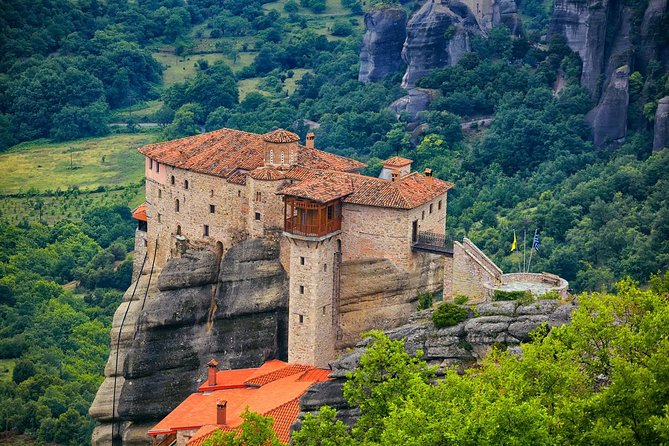
This is described as the second largest of Meteora’s monasteries and perched high on a rocky pinnacle. You’ll hear about the 16th-century construction and how monks hauled materials by rope. Inside, you can see richly frescoed areas and relics, plus the big panoramic sweep over the landscape below.
- Holy Monastery of Great Meteoron
This is the largest and oldest. It is associated with the name meaning suspended in the air, and it was founded by Saint Athanasios the Meteorite. It became the first organized monastic community in the area, which means it anchors the whole Meteora story.
The tour includes interior access to the monasteries that day, with audio support. The audio guide is not just a nice extra. It helps you notice what you’re looking at, especially if you do not know Greek Orthodox church art language yet.
One practical note: monastery entry requires the right clothes. For women, short skirts are not allowed, and you need long sleeves. Men cannot wear shorts. Bring something that you can layer quickly. Even if the outside air is fine, monasteries can require more coverage than you expect.
Badovas Hermit Caves: The Quiet That Makes Meteora Hit Hard
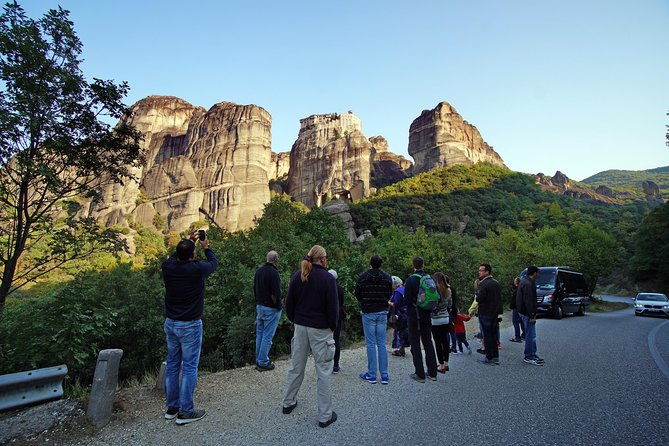
If Meteora’s monasteries feel like an organized community story, Badovas hermit caves feel like the raw solitude version of the same spiritual idea.
You’ll spend about 25 minutes exploring these remote cliffside shelters at your own pace, with your leader available to assist and with transportation between sites. The caves are tied to the earliest monks and their need for isolation. You’ll see traces of simple dwellings and hear the logic of why these spots mattered.
This stop is worth protecting time-wise. It is easy to treat it like a photo break, but the caves are the part where the emotional “why” of Meteora becomes personal. Even a brief visit can change how you look at the monasteries you just climbed toward.
What to consider: cave paths can involve steps and uneven ground depending on where you walk. Wear shoes you would happily hike in, not just “city sandals.”
St Stephen and the Other Monasteries: Pick Your Pace and Pay Attention to Stairs
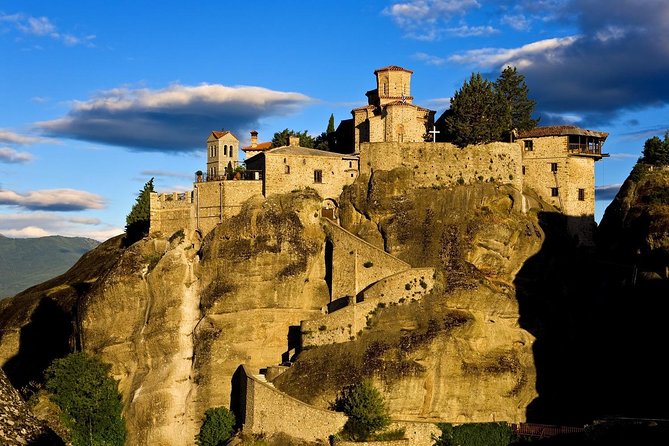
Meteora is famous for altitude, but it also varies a lot in how difficult it is to reach each monastery.
Here are the monastery stops that shape your day:
- Holy Monastery of Saint Stephen
This is described as the most accessible. It requires no stairs, just a short walk across a small bridge to the entrance. That matters if you want monastery interiors but your legs are already tired.
- Agios Nikolaos Anapaphsas
A shorter stop around 10 minutes, described as the first monastery you encounter on the way to the Holy Meteora.
- Roussanou Monastery
Another shorter stop, around 10 minutes. It sits on a lower rock compared with some of the higher monasteries, which can make access easier. It was damaged in WWII, and later became a convent in 1988.
- Holy Trinity Monastery, Agia Triada
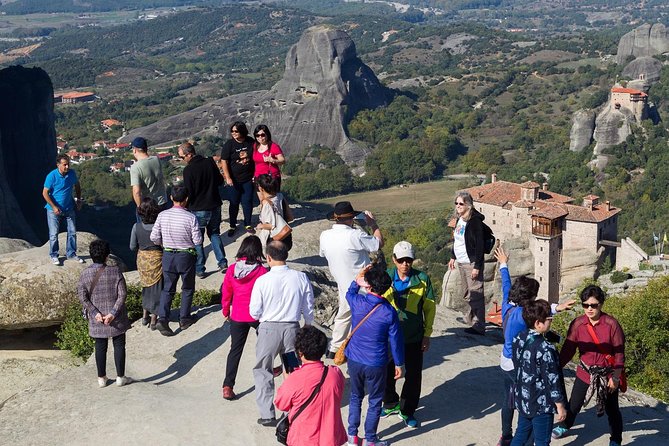
The hardest to access, with a climb described as about 140 steps to the top. The panoramic views are the payoff.
Then you also get a panoramic view of Kalambaka on the way back, which is basically your visual breather before the long ride home.
My practical tip: go slower than you think you need to at the start of the monastery climb segments. You are going to be asked to move between sites, and you do not want to burn energy before the best viewpoint moments.
And if stairs are challenging, the tour info notes you can wait at the parking area where some benches are available. That is a rare mercy for a day-trip like this, so use it if you need to.
Audio Guide + Live Help: How to Get More Out of the Interiors
Inside the monasteries, you’ll use a multilingual audio guide. The idea is you can walk at your own pace, and still get context for what you’re seeing. That works well because your attention will naturally shift between:
- fresco scenes and religious artwork
- relics and small details you would otherwise miss
- the fact that these buildings are still living places, not just museum props
The live guide component also helps. Tour leaders on this itinerary are English-speaking, and people wrote about guides like Maria, Kate, Jim, and Maira bringing the day to life with history and humor. When you get a good guide, the day feels less like a checklist and more like a story you can follow while you walk.
Also, keep your expectations realistic. You are not getting hours inside one monastery. You are getting enough time to enter, look, and understand the core significance. That is the trade-off for doing Meteora in one day from Athens.
If you want maximum value, pay attention to the audio guide during the first interior stop. You’ll recognize themes later at the next sites, even if you are tired.
Kalambaka Free Time: What to Do Before the 5:35 PM Bus
After the Meteora section, you return to Kalambaka and get time to stroll and eat. The free time is built in before you catch the bus back to Athens at 5:35 PM, arriving around 9:58 PM.
This free time matters because it gives you a reset after stairs. It also lets you eat on your terms. You might grab a light lunch or something casual. Your pace here can make the difference between a pleasant evening and a cranky one.
What’s also part of the day is optional dinner on the way back. There’s a stop at a coastal town of Kamena Vourla for an optional seaside dinner. The dinner is described as rushed by at least one reviewer, so if you care about the food experience, you’ll want to set expectations and maybe plan on ordering efficiently.
Who This Tour Is For, and Who Should Rethink It
This tour is a strong fit if:
- you are short on time in Athens and want a big Meteora hit without planning logistics
- you like history that connects to what you see on-site
- you are okay with a long coach ride plus stairs and uneven paths
- you value a guide to help you move efficiently between monasteries
You might want to choose another style of travel if:
- you need a perfectly stress-free pickup process and you cannot be at the meeting point early
- you get worn out by very long days, because this schedule is full from morning to late evening
- your mobility limitations make stair-heavy parts hard, even with the option to wait at the parking area benches
The good news is you do have an easier monastery option with Saint Stephen. That gives you at least one interior experience with less stair climbing.
My Booking Recommendation: Should You Book It?
Yes, I’d book it if you want Meteora as a one-day mission with coordination handled. The combination of expert escort, multiple monastery interiors, and the hermit caves at Badovas is the right mix for first-timers. The fact that you also get audio support helps you get meaning, not just photos.
I’d hesitate only if you know you will struggle with:
- early mornings
- stairs
- strict meeting point timing in Athens
If you’re the kind of traveler who double-checks pickup details, wears the right clothing, and brings cash for monastery entry, this is a solid way to see Meteora without spending your vacation day in planning mode.
FAQ
What time does the tour leave Athens?
The departure is described as the early morning, with a bus at 07:30 AM from opposite the Athens Railway Station. Start time is also listed as 7:45 AM at St. Larissis.
How long is the tour?
It runs about 14 hours (approx.), with a return to Athens arriving around 9:58 PM.
Is pickup included?
Yes. Pickup is offered from selected centrally located hotels in Athens about one hour before departure, with details sent by email. If you do not get picked up, there is also a main meeting point near Athens Railway Station.
Is there an audio guide for the monasteries?
Yes. A multilingual audio guide is included for use inside the monasteries.
Are meals included?
A Greek lunch with 10 dishes is included if you select the lunch option (vegetarian options may be available). There are also seaside brunch and dinner stops, where meals are optional.
Do I need to buy monastery tickets in advance?
No. You do not need to buy the monastery tickets ahead of time. Entrance fees are paid in cash on the spot.
How much are the monastery entrance fees?
Entrance fees are listed as €5.00 per person per monastery, and they are not included in the base tour price.
What should I wear to enter the monasteries?
Appropriate clothing is required. Women should not wear short skirts and should have long sleeves. Men are not allowed to wear shorts.
Is the tour appropriate for people with mobility concerns?
The tour requires moderate physical fitness and involves stairs. There is also guidance that if climbing stairs is challenging, you can wait at the parking area where some benches are available. Saint Stephen’s Monastery is described as the most accessible with no stairs.
Just reviewed around Athens
- Athens Highlights: Myths & Philosophers Walking Tour★ 5.0 · 125 reviews
- Sounio Sea Kayak Tour to the Temple of Poseidon full program★ 5.0 · 126 reviews
- Athens Half-Day Tour: Acropolis, Parthenon & All Major Landmarks★ 5.0 · 127 reviews
- First Access Acropolis Tour, Beat the Crowds, Enjoy the Parthenon★ 5.0 · 128 reviews
- Ancient Corinth, Mycenae, Epidaurus, Nafplio full day private tour from Athens★ 5.0 · 130 reviews
- Athens Cooking Class and Lunch in our beautiful garden in Greece★ 5.0 · 130 reviews
- Athens Highlights by E-Bike: Small-Group Historic Tour★ 5.0 · 131 reviews
- Athens Shore Excursion: Acropolis Walking Tour★ 4.5 · 131 reviews
Meteora Tours, compared.
Meteora Monasteries Day Trip with Caves and Lunch
Read our review →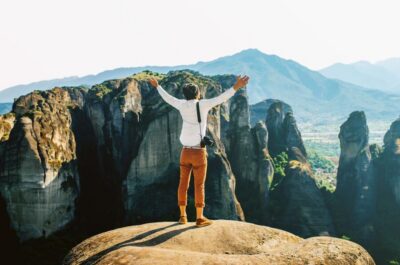
Athens to Meteora: Monasteries, Caves & Seaside Stopovers
Read our review →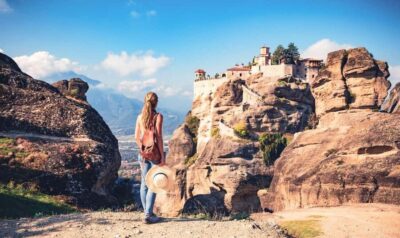
Full-Day Meteora Tour with Local Guide & Greek Lunch
Read our review →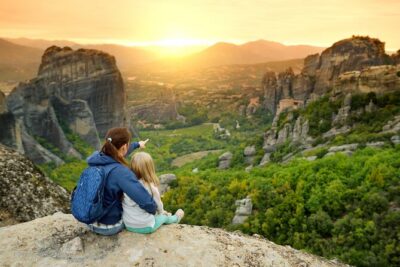
Meteora Monasteries, Caves & Coastal Stopovers with Lunch
Read our review →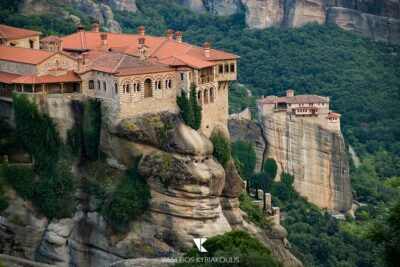
Meteora Monasteries & Caves DayTrip from Athens with Greek Lunch
Read our review →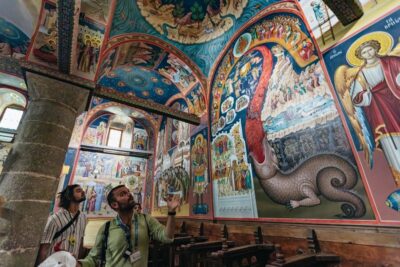
4-Day Classical Greece Tour: Epidaurus, Mycenae, Olympia, Delphi, Meteora
Read our review →Browse the lists this tour appears in