
Reviewed · ACROPOLIS TOURS
Traditional Greek cooking class and lunch or dinner with an Acropolis view
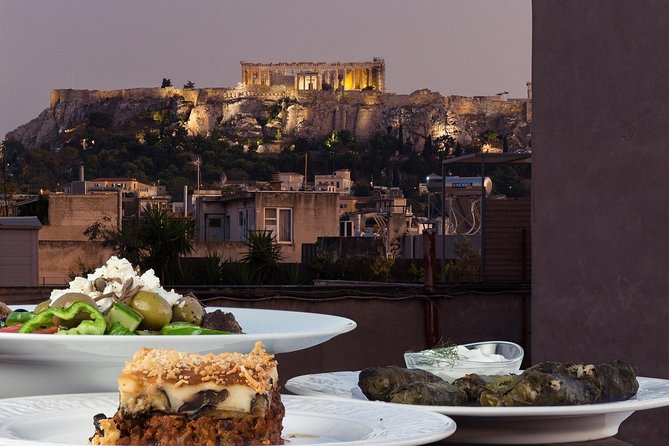
A traditional Greek cooking class in Athens is a smart use of a half day because you leave with real skills, not just photos. You cook a full dinner menu, then sit down to eat what you made, with Greek wine in the mix. The Acropolis view adds that extra Athens feeling.
I especially like the hands-on pace here. You are not just watching, you are actively making things from scratch, including core dough work. I also like how the class is built around a complete meal flow, so you end with dishes that actually fit together at the table.
One thing to consider is that the room can feel hot in summer. One person noted sweating and discomfort, and the operator response said air conditioning is on, but Athens heat can still win. If you are heat sensitive, plan to come prepared and arrive a bit early.
Key Things That Make This Cooking Class Worth Your Time

- You cook a 6-dish menu: two starters, pie, Greek salad, main, and dessert
- Phyllo dough work is part of the class and everyone practices key techniques
- Small group size (max 16) keeps things moving and makes it easier to get help
- You eat your own food at the end, not later and not just a small tasting
- Greek wine and spirits are included (2 glasses per person)
- Recipes are emailed after so you can redo the menu at home
Why This Athens Dinner-By-Cooking Format Works So Well
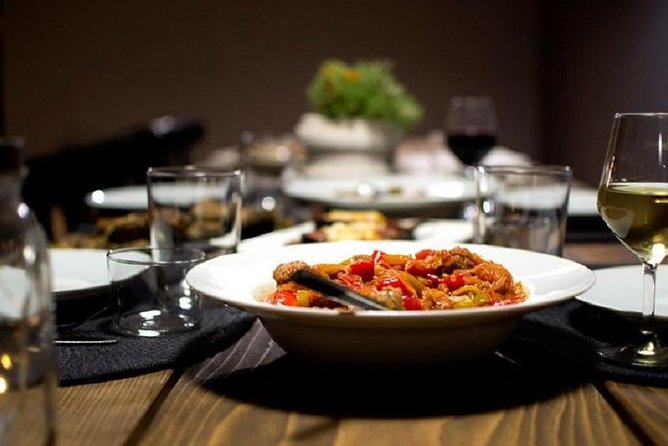
This class is interesting because it turns Athens sightseeing time into something practical. Instead of only visiting markets or museums, you learn how Greek home cooking actually comes together, step by step, with ingredients that taste like they are from nearby neighborhoods.
The big win is that you get a full meal, not random bites. You start with dips and pastries, build into salad, then move to a hearty main and finish with dessert. When you eat at the end, it feels like a real dinner, not a cooking demo.
The second win is the teaching style. The class has a host who comes across as warm, funny, and very clear in how she explains technique. In multiple experiences, Marilena is named as the chef, with people praising her patience and sense of humor. You also see a consistent theme in the feedback, the pace is structured so you are doing real cooking without feeling lost.
Do not expect this to feel like a quiet culinary lecture. It is more social than that, with talking, laughing, and drinking while you work. If you like food that you can recreate later, this format is a solid choice.
More Cooking Classes in Athens
- Athens: Classic Cooking Class with Market Visit and Wine
★ 5.0 · 1,101 reviews - Athens: Food Market Visit and Cooking Class with Wine
★ 4.9 · 1,087 reviews - Greek Cooking Class in Athens Including Rooftop Dinner with Acropolis View
★ 5.0 · 826 reviews
The 6 Dishes You Will Cook, and How They Shape the Meal
The menu changes with seasonality, but the structure stays the same: you cook 2 appetizers, a pita-style pie, Greek salad, a main course, and a dessert. For most people, that is the fastest path to learning what makes Greek dinners feel complete.
Here is what you can expect from the sample menu options:
- Tzatziki: yogurt with garlic, dill, and cucumber. It is creamy, cooling, and a classic starting point.
- Cheese pie or spinach pie: phyllo made from scratch with kaseri and manouri cheese, or spinach, leeks, herbs, and manouri. This is one of those Greek dishes that tastes simple when you know the technique.
- Stuffed peppers with cheese or dolmadakia: either peppers filled with cheese and thyme, or grape leaves stuffed with rice and herbs.
- Greek salad: tomatoes, cucumbers, peppers, Kalamata olives, capers, and xinomizithra. The balance is the lesson, salt, acidity, and olive richness.
- A main course choice:
- Common options include mousaka, patsitsio, soutzoukaki, gemista, or chicken (lemonato, or like youvetsi).
- Winter menus can swap in traditional Christmas pork with leeks and celery with egglemon sauce, or youvarlakia (soup with meatballs, rice, lots of herbs, and egglemon sauce), or egglemon chicken soup.
- Dessert:
- Baklava rolls, Greek yogurt mousse, or loukoumades in winter.
What I like about this set is that it teaches breadth. You touch cold sauce work, phyllo pastry technique, rolling and stuffing, knife-and-bowl salad assembly, then move to either oven cooking or slow braises, and finish with a sweet that ties back to Greek pastry habits.
One practical point: because menus shift, you should not lock in a single dish in your mind unless you email after booking to request something specific. The operator does note that you can ask for a particular dish if it absolutely matters to you.
The Big Skill Moment: Making Phyllo Dough From Scratch
If you want one standout reason to book, it is the dough work. Key techniques are executed by all participants, and making dough from scratch is highlighted as one of those central skills. You will not just assemble a dish with pre-made shortcuts.
In feedback from past classes, people repeatedly call phyllo making a highlight. One person even said it sounded much harder than it really was, as long as you follow the steps at the right pace. That matches what you should expect in a well-run class. You get sequencing, you do the motions yourself, and you learn what matters, thickness, handling, and timing.
Why this matters for you is simple. Greek cooking is full of layered, thin-sheet comfort foods. Once you understand the basic dough or dough handling, you stop thinking of these dishes as restaurant-only. You can translate the technique to other Greek or Mediterranean pastries later.
Also, the class space is described as clean and organized in multiple accounts. That matters when you are working with dough, flour, and heat. You will want a setup where the mess is managed and the station is tidy enough for you to focus.
If you have never made pastry before, relax. You are not being tested. You are being taught, and the structure helps you finish.
Inside the 3-Hour Flow, From First Prep to Final Plates
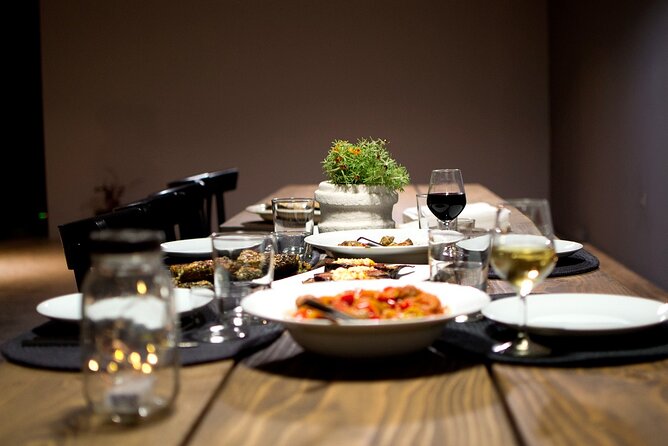
The class plus lunch or dinner runs about 3 hours, and it starts on time. Arrive about 10 minutes early so you have time to settle in. This matters because a cooking class is a rhythm thing. Walk in late, and you miss the moment when everyone starts a shared technique.
Here is how the flow feels in practice:
- You get introduced to the menu pieces and the kitchen stations.
- You start with prep, slicing, mixing, and building components for starters and salad.
- While you work, the instructors focus on the why, how, and sequencing, not just what to do next.
- You then move through the pastry and stuffing tasks, depending on what your menu includes.
- You finish with the dessert step, then plate and sit down.
You are not stuck in one place either. People in the class often mention cutting, mixing, making, and then eating. In one detailed account, someone listed stuffed grape leaves, cheese pies, Greek salad, moussaka, and baklava rolls as part of their menu, with everyone doing the work from start to finish.
Another plus for your sanity is that the assistants clean up after. You are not leaving with a kitchen disaster. It also keeps things safer and smoother while food is cooking in the background.
More ways to see the Acropolis:
- Athens: Acropolis & up to 5 Archaeological Sites Combo Pass
★ 4.2 · 13,904 reviews - Athens: Acropolis Ticket with Optional Audio or Live Guide
★ 4.2 · 11,055 reviews - Athens: Acropolis, Parthenon & Acropolis Museum Guided Tour
★ 4.8 · 9,316 reviews - The Acropolis, Parthenon & Acropolis Museum Guided Tour
★ 4.7 · 8,493 reviews
About That Acropolis View, and How to Set Your Expectations
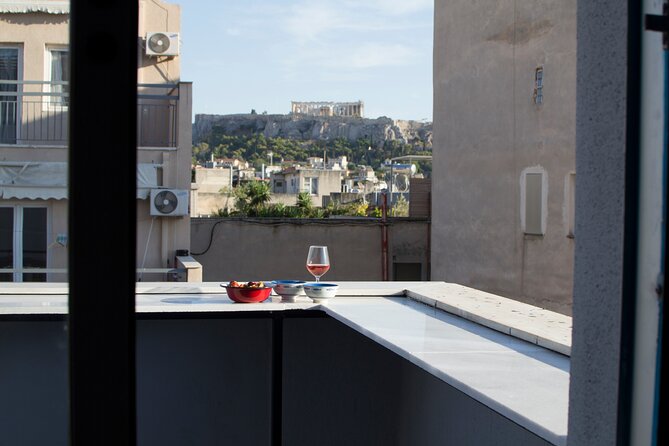
This experience is described as having an Acropolis view during the lunch or dinner portion. That is a real selling point, because eating in Athens with that sightline in the background makes the meal feel like part of the city, not just a restaurant detour.
But do not assume it will be a constant panoramic view while you are actively cooking. One person said they had their meal with the Acropolis in view, while another felt the view was not clear from the description and questioned what they saw. That tells me the view may depend on where you sit and how the room is set up for that specific class.
So here is the practical move: when you arrive, ask where the seating is for the meal and whether there is a photo spot once everything is ready. If you care a lot about the view, prioritize your seat choice at the end.
The cooking part is the main show. If you come in expecting a full sightseeing stop where you never put down a spatula, you might feel slightly let down. If you come for a hands-on meal with a bonus view angle, you will likely be very happy.
Wine, Spirits, and Why the Dining Part Feels Like a Real Dinner
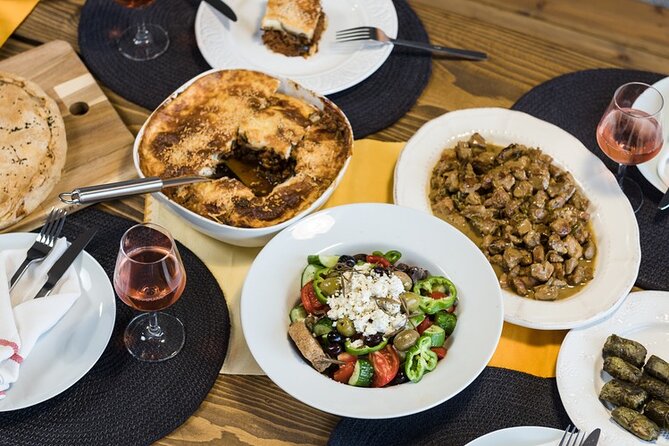
Greek wine and traditional spirits are included, with 2 glasses per person. Alcohol beverages and other drinks are part of the included experience. You also have time to sit and talk at a leisurely pace, which is not what you get at many cooking classes.
That combination is why this class often lands as a highlight of an Athens visit. People mention talking with classmates while eating and drinking, and a few describe planning a Greek night at home right after the trip. That is the feeling you want. It is not only about learning cooking, it is about learning Greek dinner hospitality.
One more thing I like: the menu is not written like a random cooking challenge. It is built like an actual meal. That means wine and food pairing is intuitive. A creamy tzatziki starter makes sense, a crisp salad cuts through richness, and mains like mousaka or meatballs in egglemon sauce stand up to wine.
If you prefer to pace alcohol slowly, you can still enjoy the included drinks and keep control of how much you drink. Just plan to savor, because you will be eating everything you cooked.
Seasonal Menu Changes, and How to Handle Dietary Needs
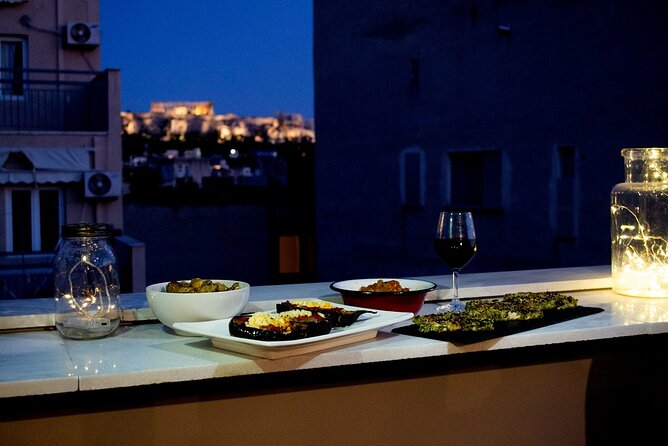
Menus are seasonal, and the class is supposed to tailor to your preferences. When you book, you should share any special dietary needs. The operator also notes you can contact them by email if there is something specific you want to cook.
In one personal allergy-focused account, the teacher adjusted on the fly after being told about a milk allergy. That is exactly what you should hope for in a class like this, real communication and practical substitutions rather than a vague warning.
Still, do not wait until the last second. Tell them at booking so they can plan ingredients and steps. If you are avoiding gluten, shellfish, or strict allergens, you should also describe it clearly when you message.
For people who want vegetarian options, the menu includes vegetarian-friendly items like spinach pie and Greek salad, and the stuffed grape leaves option can also fit a vegetarian dinner plan depending on what is used. But because menus can shift, always verify what your exact menu will be.
Price and Value: What $114.93 Gets You in the Real World
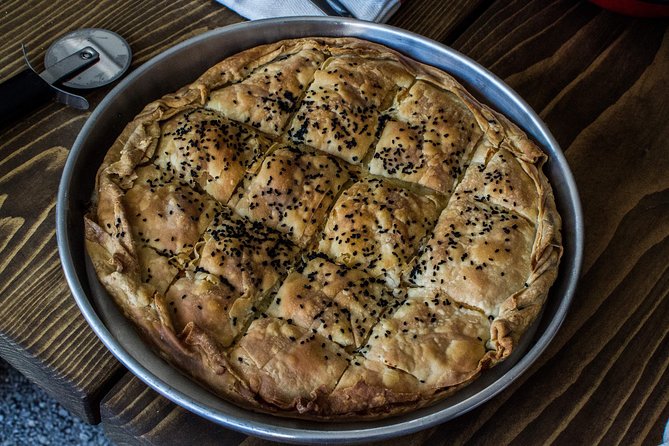
At $114.93 per person, this is not a bargain, but it is also not inflated for what you actually get. You are paying for:
- a 3-hour guided cooking session
- a full 6-dish dinner that you eat
- instruction for key techniques like dough and phyllo handling
- Greek wine and traditional spirits (2 glasses per person)
- recipes emailed after, so your learning does not vanish overnight
The value hits hardest if you will cook at home. The class emails recipes so you can recreate the full menu. Multiple people mention that PDF access made it easier to repeat the dishes for friends and family. That is the type of payoff that turns a one-time activity into a skill you can use again.
Also, the group size is capped at 16, and the kitchen setup is described as organized and clean. Smaller groups tend to mean you get more guidance while you are actively working, not waiting for your turn.
If you are in Athens for a short trip and want one experience that gives you both food and skills, this is a strong candidate. If you only want to eat and you do not care about learning, a normal meal might be cheaper, and that might be the right call.
Who Should Book This Cooking Class, and Who Might Skip It
Book this if you want:
- a hands-on food experience where you cook the whole dinner
- a structured way to learn Greek comfort foods like tzatziki, pies, stuffed items, and mains
- a social meal setup with wine and spirits included
- recipes you can use later at home
It also fits solo travelers and couples because the maximum group size is small and the class encourages conversation while you cook and eat. People also describe meeting new friends during the meal part, which is part of why it feels memorable.
Consider skipping if:
- you dislike cooking or hate mess
- you are very sensitive to heat, since some accounts mention summer discomfort, even though air conditioning is said to be on
- you only care about a strong Acropolis photo angle and not about participating in the meal
The upside is that even people who were nervous about pastry found the instruction manageable. The class seems designed to teach skills without leaving you behind.
FAQ
How long is the class?
The class and lunch or dinner last about 3 hours.
What dishes will I cook?
You will cook a 6-dish menu that includes 2 appetizers, a pita (Greek pie), Greek salad, a main course, and a dessert. Specific options can change by season, with sample items like tzatziki, cheese pie or spinach pie with phyllo, dolmadakia (stuffed grape leaves) or stuffed peppers, a main such as mousaka or chicken, and desserts such as baklava rolls or Greek yogurt mousse.
Can the menu be adjusted for dietary needs?
Yes. The class is described as tailor made to your preferences, and you should share any special dietary needs when booking. There are also accounts of accommodations being made when dietary issues like milk allergy were mentioned.
Are wine and Greek spirits included?
Yes. Greek wine and traditional spirits are provided, with 2 glasses per person included.
Do I get recipes to take home?
Yes. After the class, you receive the recipes by email so you can recreate what you cooked.
What if I cancel or do not show up?
Cancellation is free up to 24 hours in advance for a full refund. If you do not show up, the no-show is not refunded for any reason.
Should You Book CookinAthens in Athens?
If you want to leave Athens with skills you can use, book it. This is one of the better value formats because you cook a full dinner, learn key technique work like dough and phyllo, and get recipes emailed after. The wine and spirits included part also turns it into a proper meal, not a rushed class.
If you are heat sensitive or you care most about a big view, plan smart. Arrive early, ask where you will sit for the meal portion, and be ready to focus on cooking, not just sightseeing.
Just reviewed around Athens
- Athens Highlights: Myths & Philosophers Walking Tour★ 5.0 · 125 reviews
- Sounio Sea Kayak Tour to the Temple of Poseidon full program★ 5.0 · 126 reviews
- Athens Half-Day Tour: Acropolis, Parthenon & All Major Landmarks★ 5.0 · 127 reviews
- First Access Acropolis Tour, Beat the Crowds, Enjoy the Parthenon★ 5.0 · 128 reviews
- Ancient Corinth, Mycenae, Epidaurus, Nafplio full day private tour from Athens★ 5.0 · 130 reviews
- Athens Cooking Class and Lunch in our beautiful garden in Greece★ 5.0 · 130 reviews
- Athens Highlights by E-Bike: Small-Group Historic Tour★ 5.0 · 131 reviews
- Athens Shore Excursion: Acropolis Walking Tour★ 4.5 · 131 reviews
Acropolis Tours, compared.

Acropolis & up to 5 Archaeological Sites Combo Pass
Read our review →
Acropolis Ticket with Optional Audio or Live Guide
Read our review →
Acropolis, Parthenon & Acropolis Museum Guided Tour
Read our review →
The Acropolis, Parthenon & Acropolis Museum Guided Tour
Read our review →
Acropolis: Premium Acropolis and Parthenon Guided Tour
Read our review →


Athens Scenic Electric Bike Tour with optional Acropolis visit
Read our review →Browse the lists this tour appears in