
Reviewed · METEORA TOURS
Athens: Meteora Monasteries Tour with Local Guide and Greek Lunch
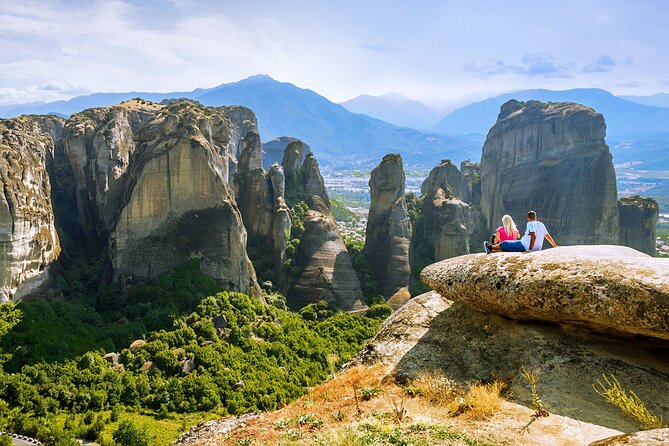
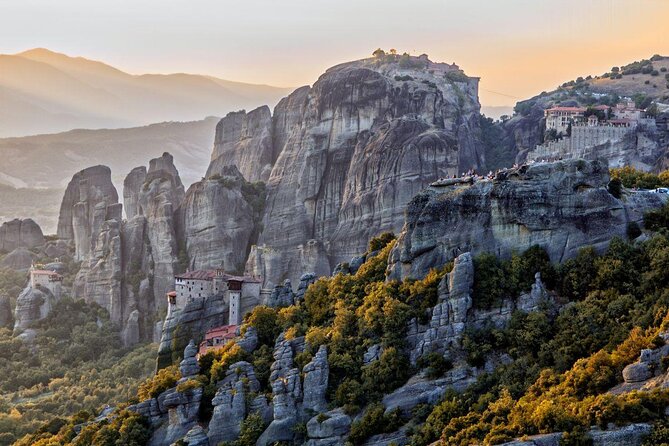
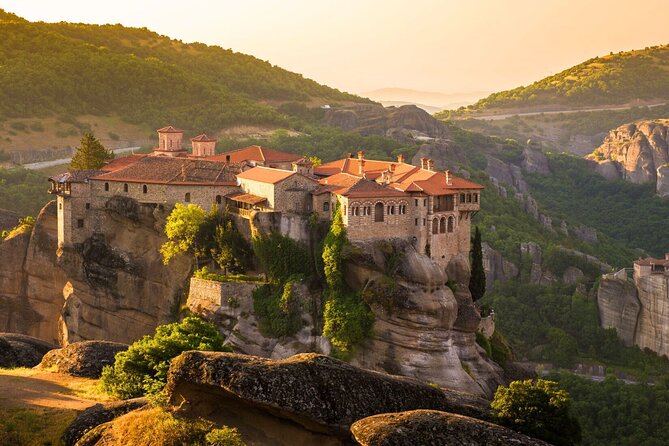
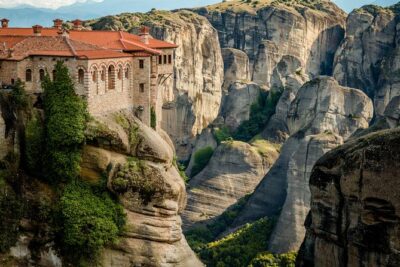
Meteora is interesting in the most visual way: monasteries perched on towering rock pillars, with stairways, caves, and cliffside viewpoints that feel almost unreal. It is also UNESCO-protected, so you are not just sightseeing. You are stepping into one of Greece’s most unusual spiritual landscapes.
I like two things most. First, you get a local guide who explains why hermits chose these caves and how the monasteries worked. Second, I like that the day is structured so you see the main monasteries and still get photo stops along the way, instead of trying to figure it out alone.
The main drawback is the commitment. This is about 14 hours total, with a long bus ride each way and plenty of walking and steps, including some very steep climbs.
Key things I’d highlight before you go
- UNESCO Meteora access with guided context, plus time to pause for views and photos
- Visit all monasteries from the circuit, with guided entry into three of them
- Kalambaka stop with an optional traditional lunch or free time in town
- Cave and hermit stories included, not just stone buildings and photos
- Cash-only entrance fees (and dress rules), which you need to plan for
- A long day with breaks on the road, so snacks and comfort matter
Why Meteora from Athens feels worth the long ride
Meteora monasteries sit on rock towers like someone stacked the landscape into a skyline. Even when you are a bit tired after transit, the first big view hits you fast. You see why people built monasteries up here, and why the caves and cliffs mattered.
One smart detail is that you are not limited to a single viewpoint. The route includes multiple photo stops, so you can keep changing angles as the light moves across the rocks. If you travel from November to January, there is also a chance to catch the famous Meteora sunset from a panoramic viewpoint.
And yes, it is spiritual architecture, but you will also get practical storytelling. The guide’s commentary focuses on how hermits lived, why caves were chosen, and how communities survived in such a dramatic place.
More of the Meteora monasteries:
- Athens: Meteora Monasteries Day Trip with Caves and Lunch
★ 4.7 · 4,670 reviews - Athens to Meteora: Monasteries, Caves & Seaside Stopovers
★ 4.7 · 2,958 reviews - Athens: Full-Day Meteora Tour with Local Guide & Greek Lunch
★ 4.8 · 2,101 reviews
Trip length, seat comfort, and the Athens to Meteora schedule reality

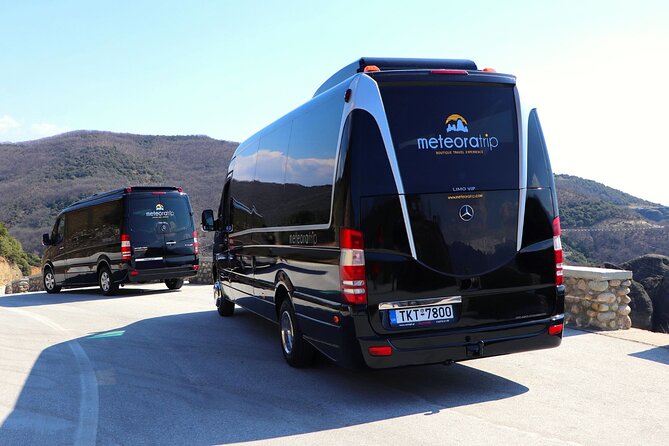
This is a 14-hour day trip in total. The day runs early, and you return late, around 10:15 PM. You depart Athens by private air-conditioned bus from the street across Central Railway Station (Stathmos Larisis), with a stated start time around 8:00 AM (the bus is described as leaving around 7:45 AM).
The ride itself is roughly 4 hours each way. The upside is that the bus is set up for long-distance comfort, with onboard features listed as WiFi and USB chargers. The downside is that experiences can vary in real life. I’d treat the WiFi and USB access as a nice bonus, not a guarantee, especially if you are traveling during hot months and the A/C feels inconsistent.
Expect at least one rest stop on the way, plus stops for stretching the legs. Exact timing and snack options can feel very “road-trip style,” so I suggest you bring a little emergency food. You will be outside and walking for hours, and a quick snack can save your energy level.
Meeting the guide in Meteora, and why their stories matter
The tour is built around a local, English-speaking guide, and the guide content is a major reason people recommend this trip. Names you may hear include Maria, and at least one participant mentioned a guide named Nicholas in their experience.
Here is how the flow tends to work: you travel from Athens, then you meet the guide once you are in the Meteora area. From there, the guide brings the place to life with stories about hermit caves, myths, and monastery life. The point is not to make the day feel like a lecture. It is to help you look at what you are seeing and understand why it looks the way it does.
If you are not using English, the tour also offers free audio guides in Spanish, French, German, Italian, Japanese, Chinese, and Korean. You use your smartphone and earphones.
The UNESCO circuit: what you actually see at each monastery stop
You will travel through the Meteora monastery circuit and make several stops, each with a set time window. You also learn the “why” behind the location, not just the “what.” Most sites involve uneven paths, inclines, and stair climbing.
One key detail: you are guided through three monasteries inside, while you still get to see the others from the circuit. That balance is useful. It keeps the day moving without turning it into nonstop climbing.
Here are the stops and what to expect:
More Athens days to weigh up
- All Day Cruise -3 Islands to Agistri,Moni, Aegina with lunch and drinks included
★ 5.0 · 4,958 reviews - From Athens: Hydra, Poros, and Aegina Day Cruise with Lunch
★ 4.1 · 4,305 reviews - Athens: Islands Swimming Day Cruise. DJ, Lunch & Drinks inc.
★ 4.6 · 1,887 reviews - Athens cruise: Agistri, Moni/Metopi, Aegina with lunch & drinks
★ 5.0 · 1,783 reviews
Roussanou Monastery (about 15 minutes)
Roussanou sits on a steep cliff and is found between Saint Nicholas Anapafsas and Varlaam. The short time window usually means you get the big structure view, a quick orientation, and then you move on. Entrance fees apply here, paid in cash.
Saint Nicholas Monastery of Anapafsas (about 30 minutes)
This one is described as being “suspended” on a small rock and is often one of the first monasteries you encounter as you move from Kastraki toward Holy Meteora. You get a closer look at the setting, plus the sense that these places are built like fortresses.
Varlaam Monastery (about 1 hour)
Varlaam is located on an imposing rock and is described as the second largest monastery of Meteora. You get more time here, which helps if you want to slow down and absorb the artwork and the cliffside position.
Holy Trinity Monastery (about 30 minutes, and a serious stair challenge)
Holy Trinity is the third oldest monastery in Meteora, and it is also the most difficult to reach. The route includes crossing a downhill path and then climbing 145 steps carved into the rock. In some stories, hermits used rope ladders and nets to bring materials up over long periods.
This is the stop to plan for if you want to pace yourself. Wear shoes with grip and expect your legs to feel it.
Agios Stefanos (about 30 minutes)
Agios Stefanos is noted as the most accessible monastery, because access is easy via a small stone bridge and there are no steps to reach the entrance. If you have climbing fatigue, this stop can feel like a breather.
Great Meteoron Monastery (about 1 hour)
Great Meteoron, also called the Transfiguration of Christ, is described as the oldest and most important monastery. You get about an hour here, which is helpful for both the structure views and any guided interior time you are scheduled for.
The caves and hermit story you should not skip
In addition to monasteries, the guide’s explanation includes the “secret” side of Meteora, focusing on hermit caves and cave locations like St. George Mandilas cave. Even if you are not climbing to every interior space, the stories help you understand why the landscape was used as shelter and spiritual isolation. Do take a moment to pause and look upward at the rock faces, because that is where the logic becomes obvious.
Dress code and cash entrance fees: two rules that can slow you down

Meteora monasteries are strict about dress. If you show up in the wrong clothes, you may be turned away or need alternatives.
Dress code basics:
- Men: long trousers, and a shirt with sleeves
- Women: a skirt that falls below the knee, and shoulders covered
- Women can also use a long scarf wrapped around the waist as an alternative
The other rule is cash. Monasteries accept cash only for entrance fees. The entrance fee is listed as €5 per person per monastery, and you should bring enough small euros.
A practical tip: carry cash separately from your phone. If you need to pay entrance quickly at multiple stops, you do not want to be digging through bags while the group is moving.
Kalambaka: where the day gets a little more normal
Kalambaka is the foothills town that sits near Meteora. You get about 1 hour there.
If you choose the lunch option, you eat at a local restaurant and your meal includes:
- fresh salad
- a choice of main dish
- freshly baked bread
- water
Vegetarian and vegan options are available.
If you choose no lunch, you get free time to walk around Kalambaka, pop into cafes, and browse local shops. You can also relax under the dramatic rock formations.
One thing to keep in mind: your monastery walking does not end when you reach Kalambaka. So if you plan to snack, buy water, or grab a coffee, do it early in the hour. You will want your energy back for the afternoon monastery circuit.
Photos, pacing, and what to pack for a hot, long day

This tour is built around views, so you will take photos. It includes multiple photo stops, and the guide typically points out where to stand for the best angles.
For your comfort:
- Wear shoes you trust on uneven stone and steps
- Bring water, especially in warm months
- Consider snacks between stops
- Pack a light layer even if it is warm, because you may be moving between sun and interior spaces
- If you rely on charging for photos and maps, bring a power bank, since USB access can be inconsistent in real life
One more practical move: plan your restroom timing before each monastery segment. Many monasteries do not offer easy facilities for visitors, so having small cash and being proactive helps.
Season note: how sunset access changes in winter months
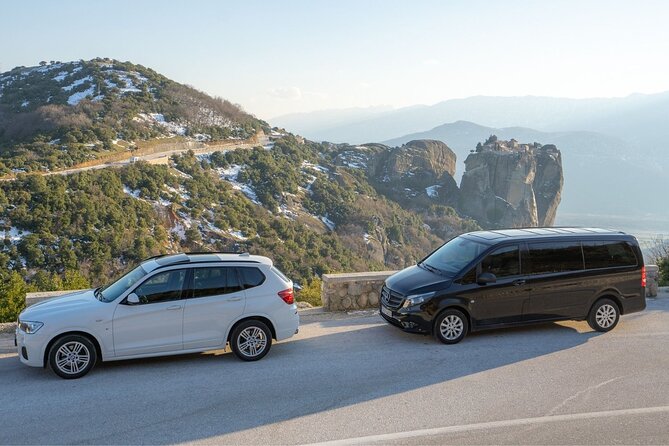
Meteora is known for sunset views, and the tour notes that from November to January, you can witness Meteora sunset from a stunning panoramic viewpoint. If you are traveling in those months, plan for cooler air and take a scarf or light jacket.
In other seasons, the day still focuses on daylight monastery viewing. So the timing is still excellent, just not centered on sunset.
Value check: does $84.66 make sense after entrance fees
At $84.66 per person, you are paying for:
- roundtrip transportation from Athens to Meteora
- an air-conditioned bus
- a local English-speaking guide for the guided Meteora portion
- photo stops and guided entry into three monasteries
- audio guides in multiple languages
- optional Greek lunch if you select that option
What is not included is monastery entrance. Entrance is €5 per monastery, cash only. Since you step inside three monasteries on this route, you should budget about €15 total in entrances, assuming you pay for the three interior visits.
So your realistic “day-of” cost is more like:
- base tour price
- plus the cash entrance fees you pay on-site
If you are the type of traveler who wants a guided explanation and you do not want to rent a car or coordinate buses and timing yourself, the structure is good value. You are buying time, logistics, and someone to point out what matters.
Who should book this Meteora day trip, and who should rethink it
This tour is a great fit if you:
- want an easy guided first visit to Meteora from Athens
- care about stories, not just sightseeing
- like structured days when time is short
- enjoy photo stops and cliffside viewpoints
You might rethink it if you:
- struggle with stairs and steep paths (Holy Trinity includes 145 steps)
- get wiped out by a long bus day (you spend about 8 hours total on the road)
- prefer slow travel with long breaks in town
If you have mobility limitations, this route can be challenging. It involves walking from meeting points to viewpoints and monastery entrances, plus multiple climbs.
Should you book this Athens to Meteora tour?
I think you should book this tour if you want a guided, organized shot at the Meteora monastery circuit without doing the logistics yourself. The guide storytelling, the photo stops, and the mix of monasteries plus Kalambaka town time make it a solid day plan.
I would not book it if your top priority is maximizing time in Athens. This is a long day, and you are coming back late. Also, bring your patience for steps, wear the right clothes for the monasteries, and keep euros in hand for entrance fees.
If you do those things, you will come away with the main Meteora experience, plus the context that makes the views hit harder.
Just reviewed around Athens
- Athens Airport Arrival Transfer to Hotels or Addresses in Athens★ 3.5 · 45 reviews
- Luxury Catamaran Sunset Semi-Private & Greek Gastronomy in Athens★ 5.0 · 45 reviews
- Port Transfer★ 5.0 · 45 reviews
- Private Luxury Tour: Unveiling the Sacred Mysteries of Eleusis★ 5.0 · 45 reviews
- Acropolis Private Wine Tasting @ Finewine store★ 5.0 · 46 reviews
- Delphi, Thermopylae full day private tour from Athens★ 4.9 · 46 reviews
- From Athens: City & Corinth Guided Day Tour★ 4.8 · 46 reviews
- Ancient Corinth Half-Day Private Tour from Athens★ 5.0 · 46 reviews
Meteora Tours, compared.
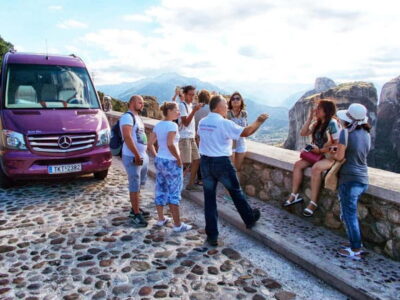
Meteora Monasteries Day Trip with Caves and Lunch
Read our review →
Athens to Meteora: Monasteries, Caves & Seaside Stopovers
Read our review →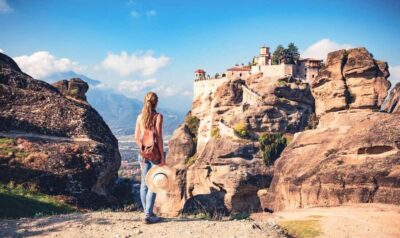
Full-Day Meteora Tour with Local Guide & Greek Lunch
Read our review →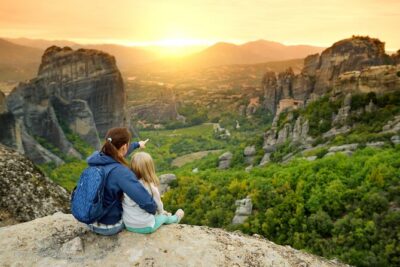
Meteora Monasteries, Caves & Coastal Stopovers with Lunch
Read our review →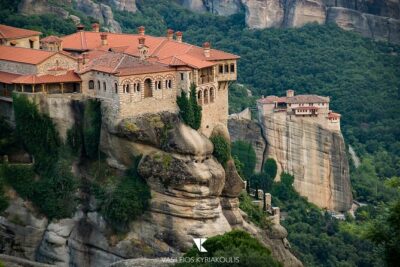
Meteora Monasteries & Caves DayTrip from Athens with Greek Lunch
Read our review →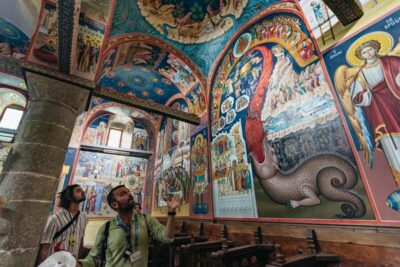
4-Day Classical Greece Tour: Epidaurus, Mycenae, Olympia, Delphi, Meteora
Read our review →Browse the lists this tour appears in