
Reviewed · MILOS TOURS
Milos Island: Archaeology & Culture Tour
Milos is the kind of Greek island where geology turns into archaeology. You start at Papafragas, the volcanic swimming pool, then move into deep-time at Phylakopi, before ending at Roman Milos with a marble amphitheater.
I like how the tour pairs big, famous sights with the kind of storytelling that makes them stick, especially when you get a guide such as Marios, Giannis, or Laura. Two other highlights I really enjoy are the walk at Sarakiniko for those unforgettable photos, and the chance to wander Plaka’s cobbled lanes at an unhurried pace.
The one drawback to plan for is that it includes a fair amount of walking, so comfy shoes matter, and entrance fees plus food are not included.
Key points worth your attention
- Papafragas first: start at the volcanic swimming pool, then transition into Milos prehistory.
- Phylakopi on the clock: a prehistoric settlement active until 1000 BC, explained in context.
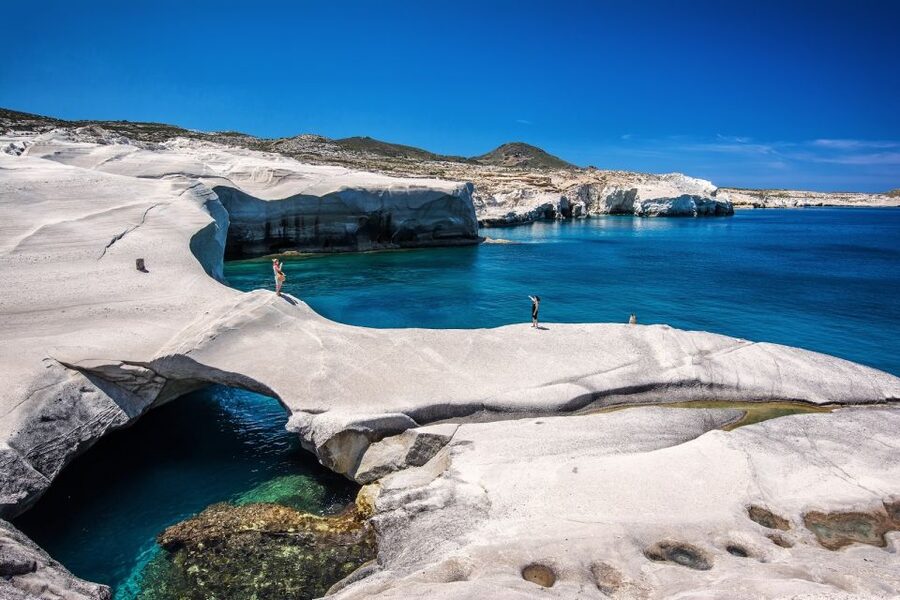
- Sarakiniko for photos and feet: a guided stroll down an inlet area with sweeping views.
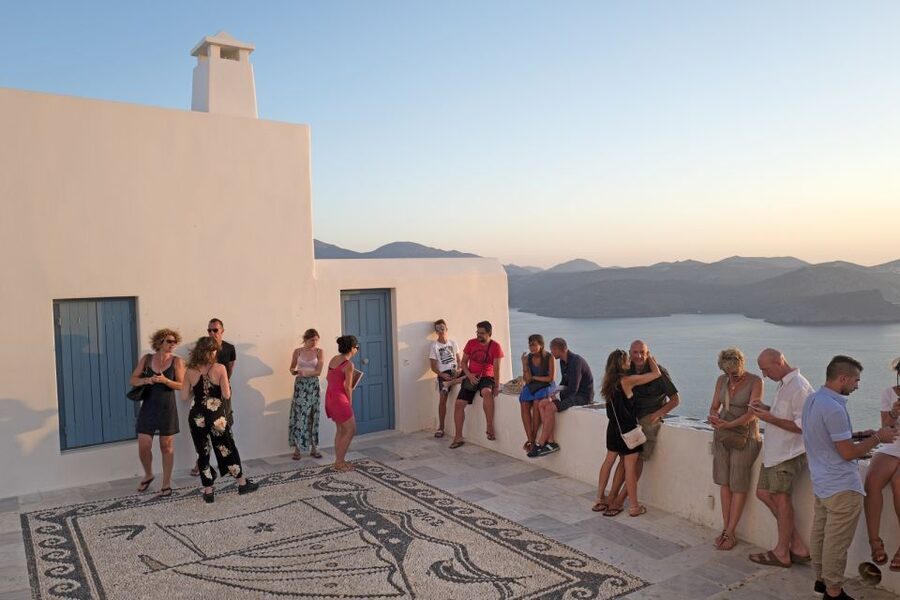
- Plaka at the right moment: traditional architecture, cobbled streets, and sea views from Panagia Korfiatissa.
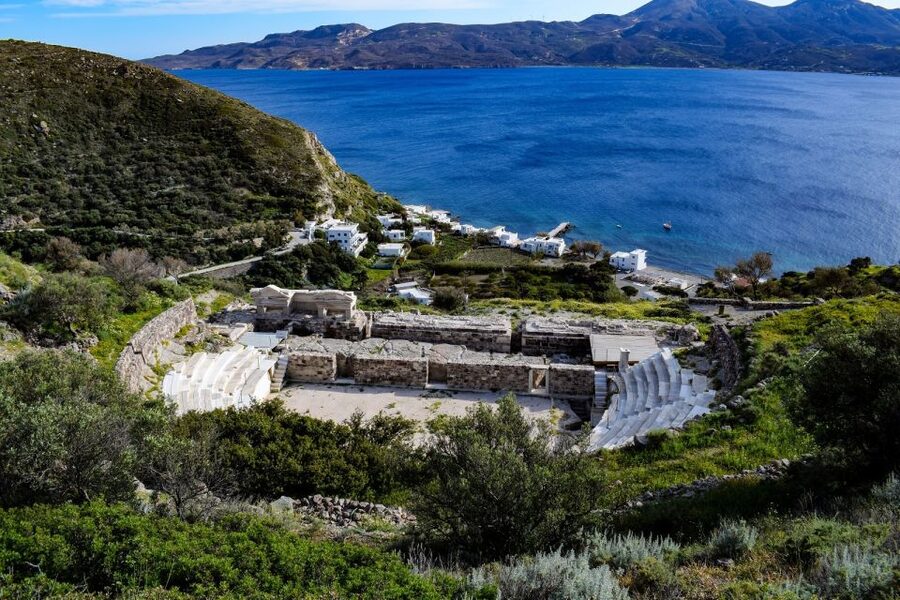
- Roman theatre stop: the marble amphitheater adds a clear later chapter to the island’s timeline.
- Smaller feel on some dates: in low season, group size can be small, which makes the day feel more personal.
Why Milos works so well for a half-day archaeology and culture tour
A 4-hour tour on Milos sounds short, but the island is built for quick jumps. Distances are manageable by car, and each stop teaches a different lesson about how humans used this place, long before most visitors arrive with a beach plan.
What I like best is the way the day moves through time without getting stuck in one theme. You get natural wonder first, then prehistoric settlement at Phylakopi, then the Roman-era anchor of the amphitheater. Even if you only have one partial day, the tour gives you a working mental map of Milos.
One more plus: guides seem to bring personality into the route. In past departures, people have praised guides like Marios, Georgia, Giannis, and Laura for turning sites into living stories, not just dates on a sign.
More days around Milos:
- Adamas: Milos & Polyaigos Full-Day Sailboat Tour with Lunch
★ 4.9 · 1,646 reviews - Milos Small-Group Full-Day Cruise with Snorkelling and Lunch
★ 5.0 · 1,210 reviews - Adamas: Kleftiko Sailing Day Trip with Snorkeling and Lunch
★ 4.8 · 713 reviews
From Papafragas to Phylakopi, the island’s story starts underwater and then before history
The tour begins from Papafragas, often described as the volcanic swimming pool. Expect a moment to slow down right away. The place is known for deep-sea inlets and sea caves, and the viewing angle lets you look down into clear turquoise water.
This first stop matters because Milos is a volcanic island, and the island’s shape is part of its history. When your guide connects geology to settlement and travel, the rest of the day makes more sense. It is a good opener, especially if you are arriving fresh from the ferry and want something visual before facts start piling up.
Next comes Phylakopi, the prehistoric site that the tour frames as essential to Cycladic prehistory. Here you are not just looking at ruins. You are learning that Phylakopi remained an active settlement until 1000 BC. That time span gives you scale. It helps you understand why archaeologists care so much about a site that, from the road, might look like “another stop.”
You should also know that this section likely involves some walking on uneven ground and time spent outdoors, not in museums. If weather turns windy or hot, you will feel it more than at an indoor site. Bring the kind of shoes you would wear for a coastal walk, not sandals that slip.
Sarakiniko’s lunar coast, photos, and a short walk into the inlet

Then the tour shifts to Sarakiniko, famous in the Cyclades for its lunar, sculpted look and for being one of the most photographed spots in the region. In practical terms, that means you are heading to a place where the scenery is the point, and you will want a camera ready.
But the value here is not only the view. You also get a walk down toward an inlet area so you can experience the beach setting, not just stand above it. The best photos usually come from angles that are easier to find with a guide who knows how to move you around quickly and safely.
If you are someone who likes to “figure out the best viewpoints” on your own, you might still find this useful. The formations can be confusing at first, and you may not realize where the best walking route is until you are there. The tour handles that for you.
Drawback check: Sarakiniko can be exposed. Depending on the season, you might want to plan for sun and wind, especially since the day is short and you will likely spend time outside at each stop. I also recommend keeping your pace steady. You will have more walking ahead in Plaka.
Plaka, Panagia Korfiatissa, and how Milos still lives in its old streets
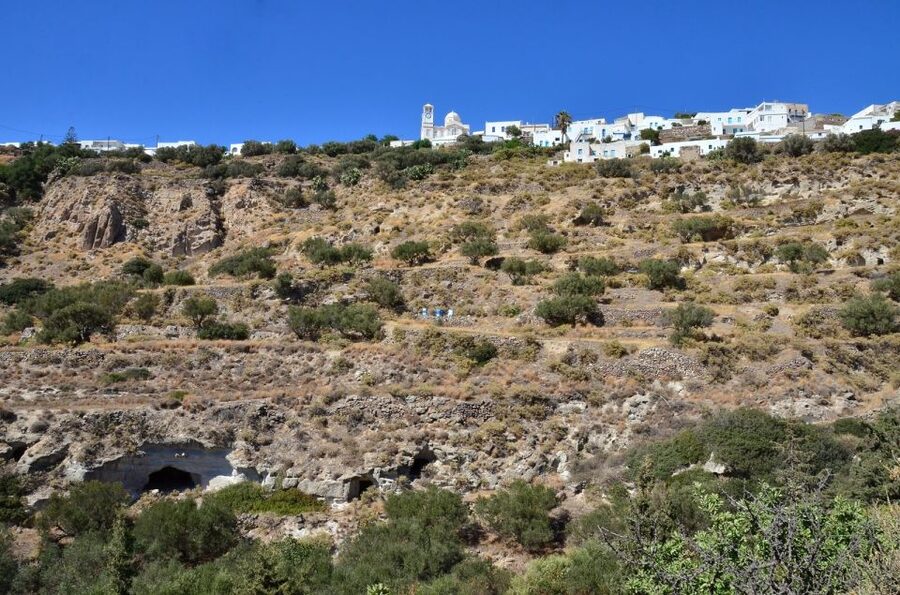
After Sarakiniko, the route travels along the northern coast toward Plaka. Plaka is Milos’s older town core, and it is where you get a more human, day-to-day feel. Here the tour trades “archaeology intensity” for a slower stroll through cobbled streets and alleys.
This stop is often where I feel the tour become more than sightseeing. The streets give you texture, and the buildings give you clues about how the island developed. It is also a good contrast after the dramatic coast. You go from stark stone formations to layers of everyday architecture.
You will also have time to admire the sea view from the veranda of Panagia Korfiatissa. That detail is more than a photo moment. It is a reminder that these villages were built to watch the water, not just to live “behind it.”
One practical note: Plaka’s lanes can feel like a maze if you are trying to go off-script. That is fine during a guided stop, because you are not stuck making decisions. But if you think you will want to wander on your own for long stretches, make sure you enjoy quick detours rather than expecting an hour of wandering without guidance.
Also, in at least one departure experience, there was talk of extra time or adjustments to match interests. For example, one booking described an off-road style drive across the top of the mountain as part of the broader experience. You might see small route changes depending on the guide and what time allows.
A different way to spend Milos time:
- From Milos: Guided Day Cruise to Kleftiko With Lunch
★ 5.0 · 650 reviews - Milos: Half-Day Speedboat Cruise to Klefiko with Snorkeling
★ 4.9 · 572 reviews - Milos: Tsigrado and Gerakas Beach Kayaking Tour
★ 5.0 · 470 reviews - Best of Milos and Poliegos Catamaran snorkelling Cruise with BBQ
★ 5.0 · 460 reviews
The marble Roman Amphitheatre and what Roman Milos looked like

The final major cultural anchor on this half-day tour is the marble Roman Amphitheatre. This is where the timeline clicks into place. You started at prehistoric Phylakopi, you spent time at coastal sites shaped by volcanic activity, and now you end with a later, stone-built statement of public life.
A Roman amphitheater stop works well in a short tour because it gives you a single, unmistakable monument. Even if you are not an archaeology superfan, you can look at the seating shape and immediately picture the kind of events that would have taken place here.
The guide framing is what makes it stick. People have praised guides for linking Milos’s geology and history to later eras, including how the island’s mining and mineral shipping shaped life over time. If your guide mentions mining, shipping, or the economy of minerals, it can tie your earlier stops to a bigger story of why Milos mattered beyond its beaches.
This is also the place where you can ask the guide questions without feeling rushed. You are at a fixed destination. You can look, pause, and then listen.
If you are hoping for a lot of interior access, manage expectations. This is a cultural sites tour in open-air locations, and entrance fees are not included. So you may spend more time outside and less time in controlled museum-style spaces.
Is $103 for a 4-hour Milos archaeology and culture tour worth it?
At $103 per person for 4 hours, you are paying mainly for three things: transportation, a live English-speaking guide, and the structure of hitting multiple key sites without renting a car. Since entrance fees and food are not included, your final cost depends on what you choose to pay on-site.
The value is strongest if you:
- want a guided explanation of both archaeology and everyday island life
- do not want to map out driving routes and parking
- only have a day or two on Milos and want the highlights covered efficiently
The value can be weaker if you:
- already have a car and you are comfortable building your own route
- prefer long beach time over cultural stops
- hate walking, because the day includes several outdoor segments
The included water is a nice touch for a short outing, and the map helps you keep moving after the tour. A map is small, but it is useful when you are trying to plan your next stop while your mental picture of the island is fresh.
Also, a few people have mentioned the tour includes a short bakery or snack stop. That is not listed as included meals, so it is best treated as a possible extra rather than a guarantee. If you see a local pastry option, it can be a fun way to taste Milos without committing to a full sit-down meal.
Walking, timing, and the kind of group this tour fits
Plan around walking. You should bring comfortable shoes and comfortable clothes, because you will move from coastal viewpoints to historic sites to a village stroll. This is not a “sit on the bus the whole time” tour.
Timing is another practical piece. The tour lasts about 4 hours, and the start time might change to 13:30. If that happens, you will be informed accordingly. That flexibility matters because later starts can shift how hot and crowded certain locations feel.
Pickup is included. You need to be at the pick-up point 5 minutes early. You will receive an email with the exact time and location. If you have not gotten those details by 24 hours before, contact the local supplier. This kind of detail sounds boring, but it can make or break a day when you are on a tight schedule.
Group size also affects the feel. Several bookings described small groups, especially in September. If you are lucky enough to travel in a smaller group, you usually get more interaction time with the guide and easier photo stops.
Who is this tour best for?
- History-minded travelers who also want real island scenery
- First-time visitors who want a clear overview so they can navigate independently later
- People who do not want to rent a car but still want to see multiple Milos regions in one shot
Should you book this Milos archaeology and culture tour?
I think you should book if you want a fast, well-organized route through Milos’s most instructive places, with a guide who brings the timeline to life. The combination of Papafragas, Phylakopi, Sarakiniko, Plaka, and the Roman amphitheater gives you variety without needing a whole day.
Skip it or choose carefully if:
- you are allergic to walking outdoors
- you plan to spend most of your time on beach lounging rather than moving between sites
- you want the freedom of an unscheduled car day
My final advice is simple. Wear good shoes, carry water if you are prone to thirst even though water is included, and come ready to connect geology to human history. If you do that, this half-day tour gives you more than a checklist. It gives you a Milos you can recognize later when you drive the same roads on your own.
FAQ
How long is the Milos Archaeology & Culture Tour?
It lasts 4 hours.
Where does pickup happen, and what time should I be there?
Pickup is included. You should be at the pick-up point 5 minutes earlier, and you will receive an email with the exact pick-up time and location.
What’s included in the tour price?
Transportation, an English-speaking guide, a map, and water are included.
Are entrance fees and food included?
Entrance fees and food or snacks are not included.
What should I bring for the tour?
Wear comfortable shoes and comfortable clothes.
Can children join the tour?
Children under 2 can join the tour for free.
Is there free cancellation?
Yes, you can cancel up to 24 hours in advance for a full refund.
Just reviewed around Milos
- Full day sailing cruise on the West side of Milos island★ 5.0 · 136 reviews
- Milos: Half-day Kleftiko, Catamaran Trip | Lunch & OpenBar★ 4.9 · 152 reviews
- Kleftiko Full Day Sailing Cruise with Snorkeling & Lunch★ 5.0 · 157 reviews
- Catamaran Half Day Morning Cruise: Kleftiko★ 5.0 · 196 reviews
- Half day adventure to Kleftiko bay and Open Bar with Lunch★ 5.0 · 200 reviews
- Milos caves snorkelling Catamaran Cruise in a small group★ 5.0 · 199 reviews
- Half Day Boat Tour to Kleftiko Milos★ 4.5 · 200 reviews
- Sailing Boat Small Group Kleftiko and Sikia Cave West of Milos★ 5.0 · 200 reviews
Milos Tours, compared.
Adamas: Milos & Polyaigos Full-Day Sailboat Tour with Lunch
Read our review →
Milos Small-Group Full-Day Cruise with Snorkelling and Lunch
Read our review →
Adamas: Kleftiko Sailing Day Trip with Snorkeling and Lunch
Read our review →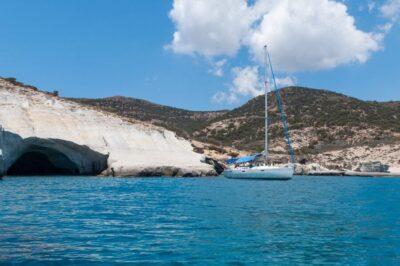
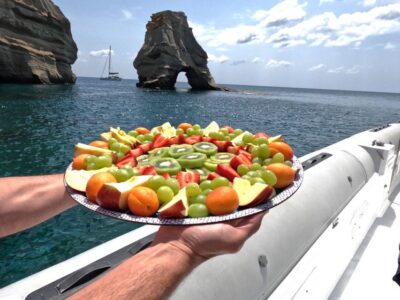
Half-Day Speedboat Cruise to Klefiko with Snorkeling
Read our review →

Best of Milos and Poliegos Catamaran snorkelling Cruise with BBQ
Read our review →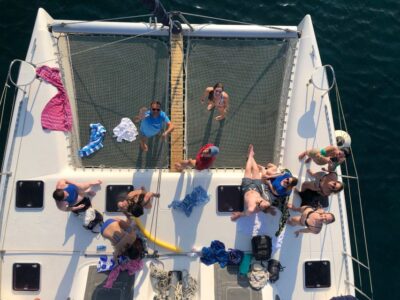
Browse the lists this tour appears in