
Reviewed · METEORA TOURS
4-Day Tour of Mycenae, Epidaurus, Olympia, Delphi & Meteora
This tour is a smart way to hit the big archaeological names in Greece without wrestling tickets or timing. I love that you get a licensed guide with headphones for the on-site explanations, and I love the big contrast between Peloponnese ruins and Meteora monasteries high above the valley. The main drawback is simple: it is packed with long drives, so you need to be fine with a busy schedule and hotel buffet dinners.
You start in Athens at 8:30 and spend the days moving west, north, and back again, usually returning to Athens around 19:00 after a Thermopylae photo stop. I like that the coach is air-conditioned and you get Wi-Fi on board, which helps when you are crossing Greece by road for hours at a time.
Plan your outfit and expectations ahead of time. Bring comfortable shoes, sun protection, and long layers, because Meteora has a strict dress code, and the stops also involve walking on uneven ground. If you are sensitive to heights or crowds, or if motion sickness is a problem, read the notes carefully before you book.
Key things you will remember from this 4-day route
- Mycenae and Agamemnon myths, plus the myth-to-archaeology context your guide connects on the spot
- Epidaurus Theater acoustics, one of those places where the scale still surprises
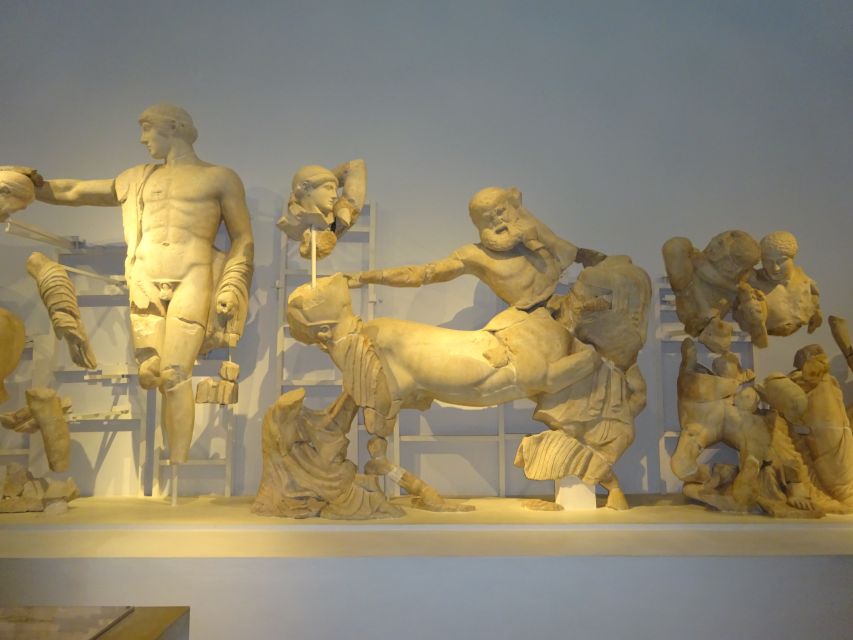
- Olympia’s stadium atmosphere, paired with museum artifacts that explain the games
- Delphi’s Charioteer, an unforgettable bronze statue tied to Apollo and the Pythian Games
- Two Meteora monasteries, reached on steep paths that make the UNESCO setting feel real
Why this 4-day Athens to Meteora loop makes sense
This itinerary is built for travelers who want maximum “wow” per day, but still want it explained in plain language. You cover Peloponnese classics like Mycenae and Epidaurus, then move north for Olympia and Delphi, before ending with Meteora. It is the rare combination where you go from Homeric legends and athletics to an oracle landscape and then up to monastery life on dramatic rock pillars.
The guide setup helps a lot. You do not just wander through ruins and guess what matters. During the major visits, you use headphones, so you can focus on what is in front of you while the guide keeps the group on track. I also appreciate that the tour includes entry fees and a guided museum experience, so you are not spending your time juggling ticket lines and calendars.
The tradeoff is pacing. You will be on the road enough that the trip becomes partly about watching Greece pass by from the bus window. If that sounds exhausting, you might want a slower, single-region plan. If you love seeing a lot in a short time, this route is hard to beat.
More trips out to Delphi:
- Athens: Mythology of Delphi, Museum and Arachova Guided Tour
★ 4.7 · 5,102 reviews - From Athens: Delphi Full Day V.R. Audio Guided Tour
★ 4.6 · 3,028 reviews - From Athens: Small-Group Delphi, Museum & Arachova Day Trip
★ 4.8 · 2,476 reviews
Corinth Canal and Mycenae, where myth meets real stones
Day one has a classic opener: you leave Athens and head west along the coast until you reach Corinth Canal for a short photo stop. It is brief, but it sets the tone. The canal looks surgical in the landscape, and it gives you a sense of how people historically traveled through this narrow corridor.
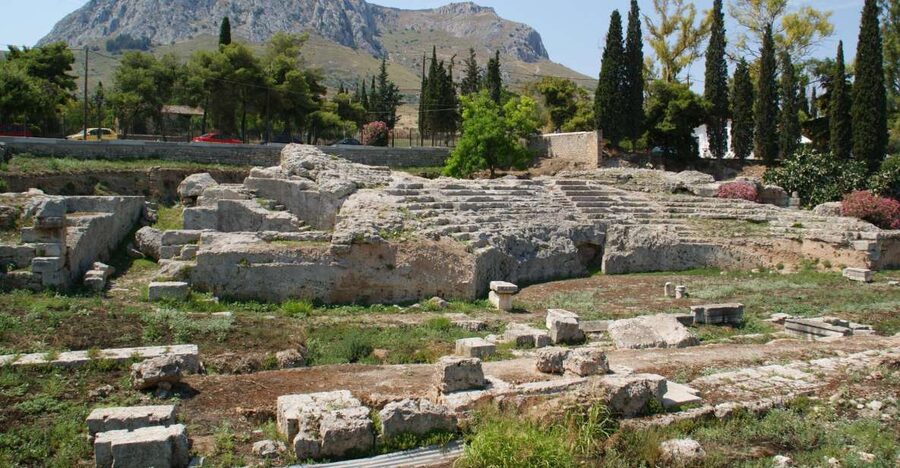
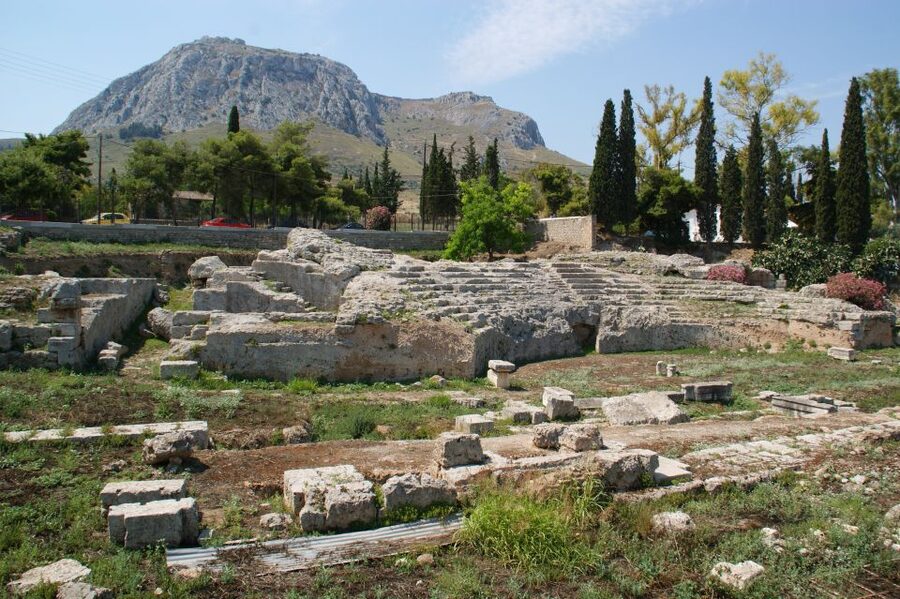
Then you arrive at Mycenae, the legendary kingdom associated with Agamemnon, the warrior king tied to Homer’s epics. What makes Mycenae hit so well is that the site anchors stories you have heard since school. You get a guided visit, about an hour, which is usually the right length for building context without turning it into a lecture marathon.
After the guided portion, you have free time for lunch on your own. That is a nice moment to step away, grab something quick, and reset before the next stop. One practical note: this is a busy first day, so wear your most comfortable walking shoes from the start.
Epidaurus Theater and Nafplio’s break from ruins
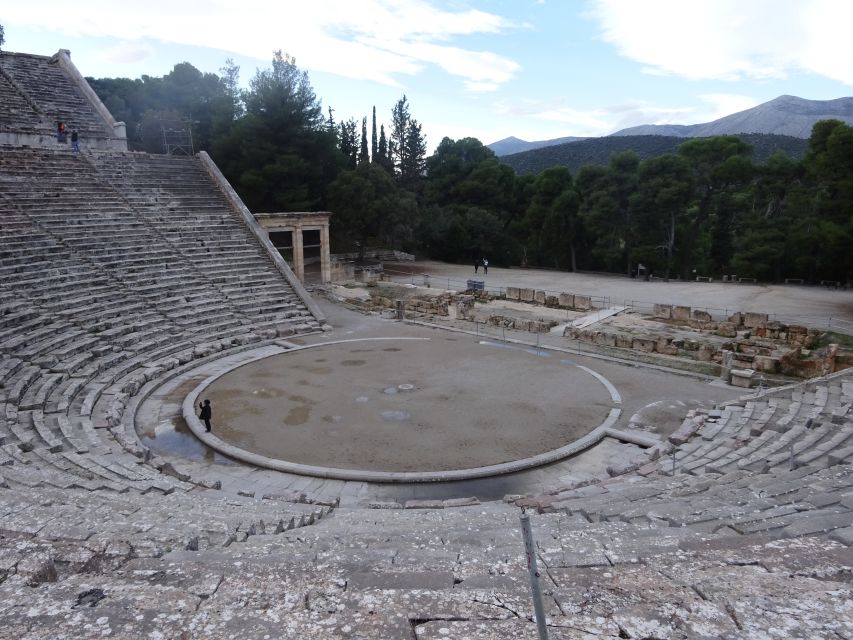
In the afternoon, the itinerary shifts from myth to performance history. You visit Epidaurus, known for its remarkably preserved ancient theater. The setting matters here. The theatre sits near Palaia Epidaurus, and you are guided through what you are seeing, including how the stonework and seating arrangement relate to the way sound carries.
Epidaurus is famous for acoustics, and that is exactly why it belongs on this route. In most ancient sites, you mostly imagine rituals. Here, the space itself still communicates scale and design. Even if you do not do anything fancy with audio, you get the feeling that this was built for real gatherings and real voices.
After Epidaurus, the tour stops in Nafplio, with free time to explore the area at your own pace. I like having at least one town break in a multi-site tour. It helps you balance the nonstop archaeology with something more like normal travel: a walk, a coffee, a chance to wander without headphones.
Dinner and overnight follow. There is one planning detail to know: your first overnight might be in Olympia on some departures, even though the itinerary includes Nafplio. Either way, you still get the key sights, but it can affect where you spend your first night.
Olympia: stadium, museum, and the bridge crossing energy
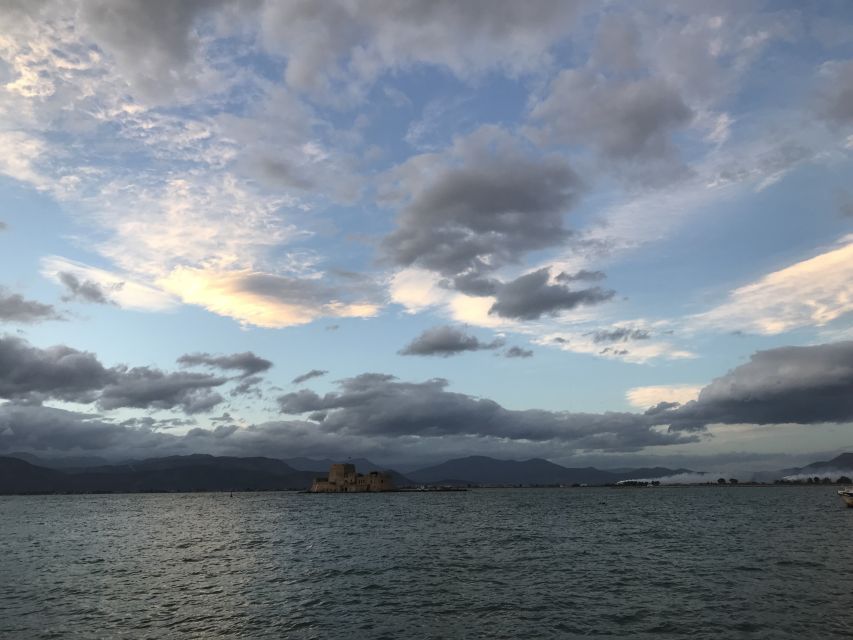
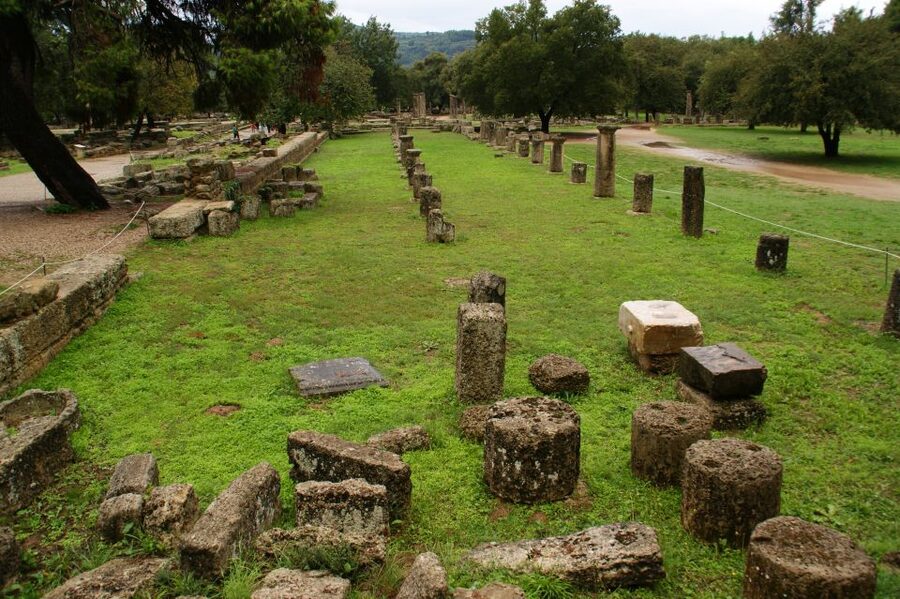
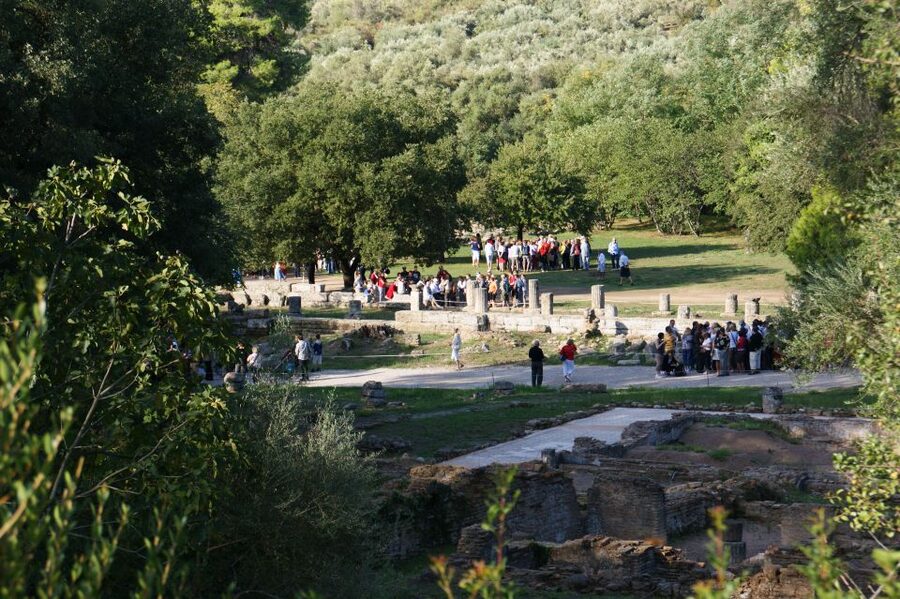
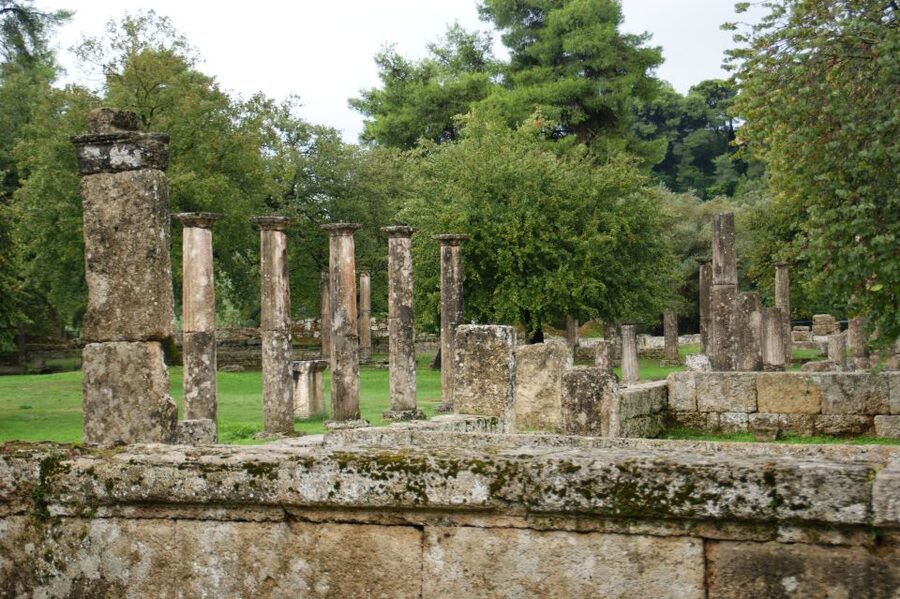
Day two is built around Olympia, the most important religious and athletic center in ancient Greece. You visit the Archaeological Site and the museum with guidance, which is the best way to get beyond “big stadium ruins.” Your guide connects the place to the Olympic Games held every four years for Zeus, and you also see how athletics and religion were tangled together.
The stadium and surrounding structures are impressive in person, but the museum is what really helps you understand why Olympia mattered. You get to see artifacts that explain the event culture, not just the stone shells left behind. This pairing is a smart move because it turns the visit into a story with a beginning and an explanation.
On the way to Delphi, you also cross the Rion and Antirion channel via a modern suspended bridge. It is not an ancient attraction, but it is a useful break from ruins. The drive through Patras and across the channel keeps the day from feeling like a single long sequence of archaeological stops.
Then you arrive for dinner and overnight in Delphi. Expect another evening reset, because day three asks you to do real walking.
More of Mycenae and Epidaurus:
- From Athens: Small-Group Mycenae, Epidaurus & Nafplio Trip
★ 4.8 · 2,805 reviews - From Athens: Mycenae, Epidaurus & Nafplio Full-Day Tour
★ 4.5 · 2,530 reviews - Mycenae, Epidaurus and Nafplio Tour from Athens
★ 4.6 · 2,201 reviews - 4-Day Classical Greece Tour: Epidaurus, Mycenae, Olympia, Delphi, Meteora
★ 4.5 · 732 reviews
Delphi at the foot of Mount Parnassos, plus the Charioteer
Delphi sits at the foot of Mount Parnassos, near the twin rock formations called Phaedriades. This part of Greece feels like it was designed for symbolism, and the tour leans into that. You visit the archaeological site and the museum, and the guide ties it to Delphi’s role as the center of the world in ancient belief.
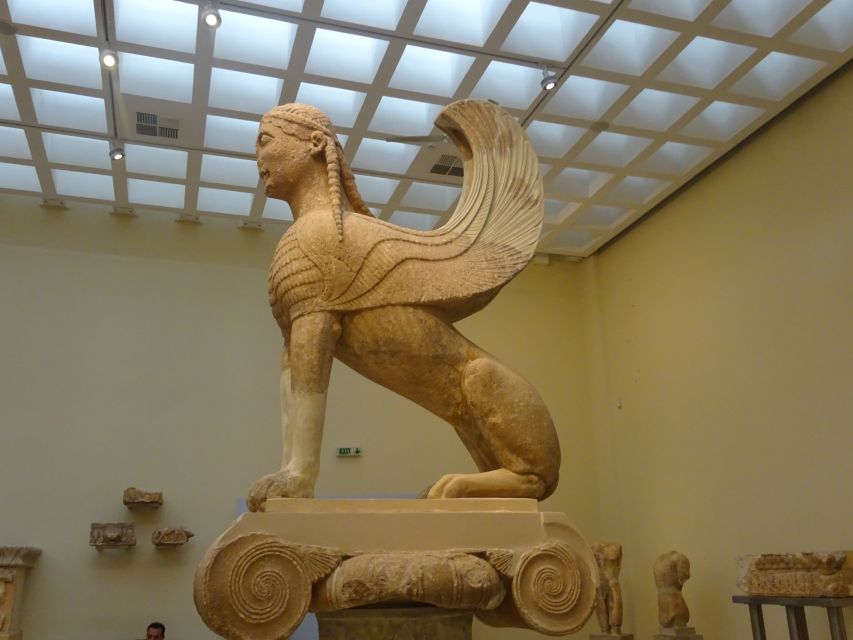
What you should not miss is the museum highlight: the bronze statue of the Charioteer. This statue was dedicated to Apollo by Polyzalos, the tyrant of Gela, in 478 BC after a victory in the chariot race at the Pythian Games. I like that the tour treats it as more than a pretty object. The guide connects the art to power, religion, and competition.
You also get free time, which matters on a site like Delphi. You can step away, take photos without rushing, and figure out which corners you want to revisit. Then the day ends with transfer to Kalambaka for dinner and overnight.
One more practical tip: Delphi days tend to feel like they include both steep history and active walking. Pace yourself, drink water, and keep your eyes on your footing.
Meteora monasteries, where UNESCO meets steep steps
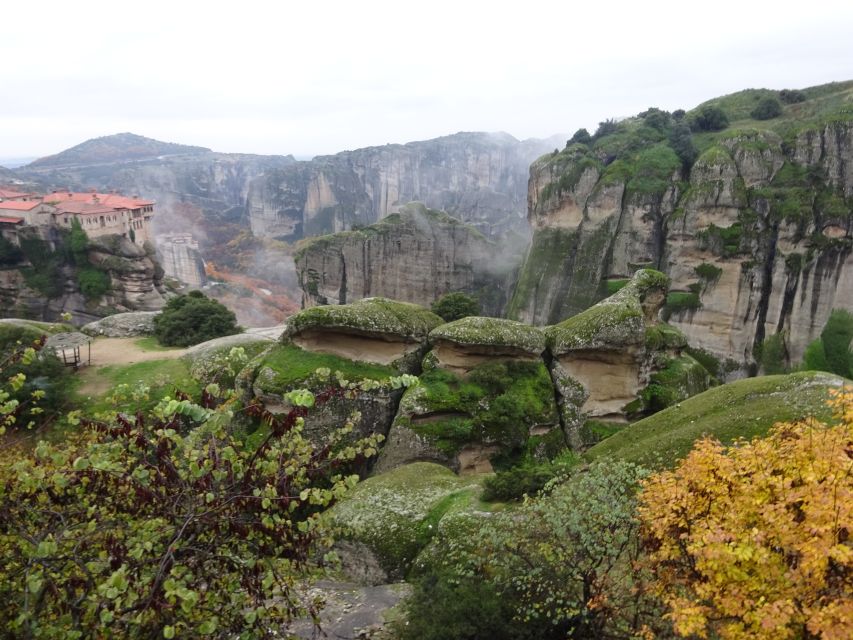
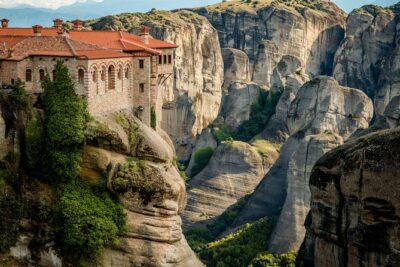
Day four is Meteora. Meteora means suspended in air, and the name covers a whole community of monasteries perched on rock formations. You visit two Meteora monasteries on a guided basis, which is a good balance. Two stops give you variety without turning it into a full-day slog of stone stairs and rules.
What makes Meteora so memorable is that you feel the work behind the setting. Historically, monks descended by nets or long wooden ladders to tend fields below, growing crops like grapes, corn, and potatoes. The tour gives you that context, so the monasteries feel like part of a living system, not just dramatic backdrops.
UNESCO recognition is part of the package, and you can see why. The monasteries form a unique cultural phenomenon, and even if you have seen photos before, the real depth, height, and geometry hit differently.
You will need to follow dress rules. Men must wear long trousers. Women must wear a dress or skirt. If you show up in the wrong outfit, you might need to buy something at the hotel, so handle this early. I also recommend bringing a light layer, because monasteries can feel cooler in the shade even when it is hot outside.
After the monastery visits, the group drives back to Athens with a Thermopylae photo stop, then returns around 19:00.
Hotel and meals: good value, expect buffet repetition
The tour includes three nights in 4-star hotels and provides dinner and breakfast as part of half-board. It is a real convenience. You do not have to line up hotels yourself across multiple regions, and you also get breakfast and dinner covered, which reduces daily decision fatigue.
Wi-Fi is included on the coach and at the hotel, which helps when your day is a string of early departures. Rooms are comfortable enough for a multi-day tour, and the location is typically chosen to make getting to the day’s stops easier.
Food gets mixed feedback, and you should plan accordingly. Many meals are hotel buffet style, which can feel similar from night to night. Some dinners are more satisfying than others, and you may find lunch options vary in quality depending on the restaurant and timing. My take: do not book this for gourmet dining. Book it for the sights and the guide.
Also note one extra cost: there is an environmental fee of €10 per room per night paid directly to the hotel reception. This is not included in the tour price.
Price and value: when $747 feels fair, and when it does not
At $747 per person for four days, you are paying for a packaged deal: air-conditioned coach, a licensed guide, headphones during visits, entrance fees, and three nights in 4-star hotels with breakfast and dinner. You also avoid the time loss of researching tickets for multiple sites across several regions.
This pricing can feel fair if you would otherwise pay separately for guide-led entry tickets, transport, and hotel nights. It can also be a good match if you want a structured route because getting from Mycenae to Epidaurus to Olympia to Delphi to Meteora on your own takes real planning and driving stamina.
Where you should be cautious is if you want lots of downtime or multiple independent meals. Lunch and drinks are not included, so you will be spending time finding food sometimes. And because this is a fast route, the buffet dinners can feel repetitive for people who like variety.
So my rule is simple: this tour is value-forward if you want organization and expert context more than culinary exploration.
Long drives in Greece: how to make the bus time work for you
You will cover a lot of distance in four days, including the coastal stretch toward Corinth Canal, the route between Olympia and Delphi, and the road to Kalambaka for Meteora. The bus ride times can be long, and some roads are windy. People who get carsick should think hard before booking, because motion sickness is listed as a reason it might not suit you.
The good news is that the tour builds in rest breaks and photo stops. Corinth Canal gives you an early visual break. Nafplio gives you a town break. The modern bridge crossing gives you a visual reset. Then you end with Thermopylae for photos before returning to Athens.
To make it easier, I would pack like this:
- water for the day when lunch is not provided
- sunscreen and a sun hat, because outdoor time stacks quickly
- a light layer for museums and monastery shade
- good shoes, because walking is part of every day
Also keep luggage within the allowed limits: one medium suitcase and one small carry-on bag. Oversize luggage is not allowed in the vehicle.
What kind of traveler should book this, and who should not
This is best for people who want a guided highlight tour of ancient Greece across multiple regions, plus Meteora. If you like mythology tied to real sites, and you want the “why it mattered” explanation at each stop, this format works.
It is also a good fit if you are traveling with friends or family and want shared experiences without the hassle of driving and routing. The guide model helps the group move smoothly, and many comments praise guides who tell stories in a way that keeps people engaged.
But it is not for everyone. It is listed as not suitable for people with mobility impairments, wheelchair users, and people who have claustrophobia, motion sickness, or a cold. People over 80 should also think twice, since this itinerary includes long days and active walking.
If you want a relaxed, slow-paced Greece, you might find the intensity wearing. If you want a structured sampler that still feels meaningful, you will likely enjoy it.
Should you book the 4-day Mycenae, Epidaurus, Olympia, Delphi and Meteora tour?
I would book it if your priority is seeing major UNESCO-level and world-famous sites in a short window, with a licensed guide who keeps the story straight. This tour also feels like a solid deal because entrance fees, headphones, hotel nights, and half-board are included, so you spend less time managing logistics.
I would hesitate if you are easily worn down by long drives, repetitive hotel meals, or strict rules like Meteora’s dress code. Meteora alone is worth planning for, and this tour expects you to be ready for those practical details.
If you want an efficient ancient Greece route with the guide doing the heavy lifting, this one is a strong pick.
FAQ
What is included in the tour price?
The tour includes an air-conditioned coach, a licensed guide, headphones during attraction visits, entrance fees to attractions and museums, 3 night stays at 4-star hotels, dinner and breakfast at the hotel, Wi-Fi on the coach and at the hotel, and hotel pickup from selected Athens central hotels with bus access.
Are lunch and drinks included?
No. Lunch and drinks are not included.
Is there an extra fee at the hotels?
Yes. An environmental fee of €10 per room per night is paid directly to the hotel reception.
What meals are provided during the trip?
Accommodation is on a half-board basis, with breakfast and dinner provided at the hotel.
Where is the meeting point, and when does pickup start?
The meeting point is Hotel Amalia Athens at 8:30 AM. Optional pickup is available from selected Athens central hotels with bus access, and it starts at 07:30 and ends at 08:15. The departure point of the tour is only Hotel Amalia Athens at Syntagma Square at 08:15.
What should I wear for the Meteora monasteries?
Men must wear long trousers. Women must wear a dress or skirt.
Is this tour suitable for everyone?
No. It is not suitable for people with mobility impairments, wheelchair users, people with claustrophobia, people with a cold, people over 80 years, or people with motion sickness.
Just reviewed around Athens
- Athens Highlights: Myths & Philosophers Walking Tour★ 5.0 · 125 reviews
- Sounio Sea Kayak Tour to the Temple of Poseidon full program★ 5.0 · 126 reviews
- Athens Half-Day Tour: Acropolis, Parthenon & All Major Landmarks★ 5.0 · 127 reviews
- First Access Acropolis Tour, Beat the Crowds, Enjoy the Parthenon★ 5.0 · 128 reviews
- Ancient Corinth, Mycenae, Epidaurus, Nafplio full day private tour from Athens★ 5.0 · 130 reviews
- Athens Cooking Class and Lunch in our beautiful garden in Greece★ 5.0 · 130 reviews
- Athens Highlights by E-Bike: Small-Group Historic Tour★ 5.0 · 131 reviews
- Athens Shore Excursion: Acropolis Walking Tour★ 4.5 · 131 reviews
Meteora Tours, compared.
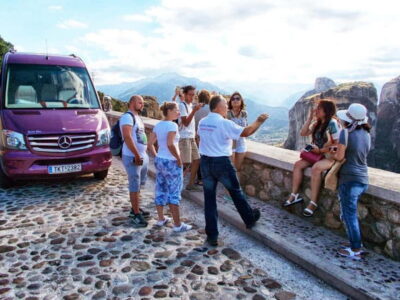
Meteora Monasteries Day Trip with Caves and Lunch
Read our review →
Athens to Meteora: Monasteries, Caves & Seaside Stopovers
Read our review →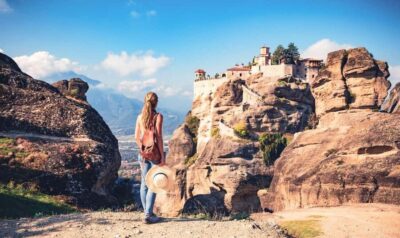
Full-Day Meteora Tour with Local Guide & Greek Lunch
Read our review →
Meteora Monasteries, Caves & Coastal Stopovers with Lunch
Read our review →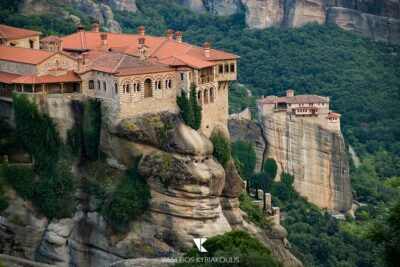
Meteora Monasteries & Caves DayTrip from Athens with Greek Lunch
Read our review →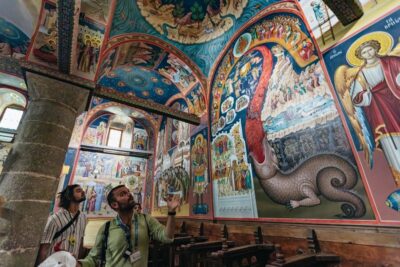
4-Day Classical Greece Tour: Epidaurus, Mycenae, Olympia, Delphi, Meteora
Read our review →Browse the lists this tour appears in